Support Groups in 10016
Many individuals of mixed ethnicity or race struggle with forming a confident racial or ethnic identity largely due to the fact they are perceived differently across different settings and contexts. While this can be a strength, it causes psychological distress and harm for a lot of individuals. This space centers your often-misunderstood cultural experiences to facilitate solidarity and healing.

Many individuals of mixed ethnicity or race struggle with forming a confident racial or ethnic identity largely due to the fact they are perceived differently across different settings and contexts. While this can be a strength, it causes psychological distress and harm for a lot of individuals. This space centers your often-misunderstood cultural experiences to facilitate solidarity and healing.
Grieving in your 20s or 30s can feel deeply isolating, but you do not have to carry it alone. This 10-week virtual support group offers a dedicated, compassionate space for young adults mourning the death of a family member or close friend. Together, we will explore how grief manifests in the body, navigate the profound identity shifts that accompany major loss, and work on orienting your life around this new reality. Our goal is to help you connect with peers who truly understand, while honoring your ongoing grief as a reflection of love. Starts August 16th.

Hosted by Mike Evers
Licensed Mental Health Counselor, MA, LMHC, LPC
Group meets in New York, NY 10016
Grieving in your 20s or 30s can feel deeply isolating, but you do not have to carry it alone. This 10-week virtual support group offers a dedicated, compassionate space for young adults mourning the death of a family member or close friend. Together, we will explore how grief manifests in the body, navigate the profound identity shifts that accompany major loss, and work on orienting your life around this new reality. Our goal is to help you connect with peers who truly understand, while honoring your ongoing grief as a reflection of love. Starts August 16th.
Enhance your sense of belonging and reduce isolation through community connection. We will explore cultural identity conflicts, acculturation stress, internalized homophobia, transphobia and/or misogyny. This is a space to express any guilt around identity, seeking help, shame, family expectations (especially filial piety pressure), and vulnerability. Aetna, Cigna and Northwell Direct insurances are accepted or $45/session if out of network.
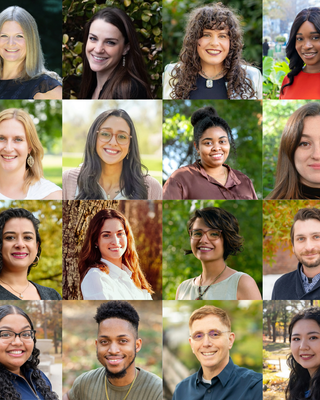
Enhance your sense of belonging and reduce isolation through community connection. We will explore cultural identity conflicts, acculturation stress, internalized homophobia, transphobia and/or misogyny. This is a space to express any guilt around identity, seeking help, shame, family expectations (especially filial piety pressure), and vulnerability. Aetna, Cigna and Northwell Direct insurances are accepted or $45/session if out of network.
This group is for parents who are feeling burned out by the demands of parenting and the pressure to “do it right.” If you find yourself struggling with self-compassion after losing your patience, becoming emotionally overwhelmed, or having difficulty slowing down and being present with your child, this group can provide an opportunity to develop greater awareness and understanding. Together, we will explore practical skills in mindfulness, emotion regulation, and coping to help you navigate challenging parenting moments with greater patience, self-compassion, and connection. Please fill out the interest form to get started: https://forms.gle/xrvRXGmhqERQQtbK7

This group is for parents who are feeling burned out by the demands of parenting and the pressure to “do it right.” If you find yourself struggling with self-compassion after losing your patience, becoming emotionally overwhelmed, or having difficulty slowing down and being present with your child, this group can provide an opportunity to develop greater awareness and understanding. Together, we will explore practical skills in mindfulness, emotion regulation, and coping to help you navigate challenging parenting moments with greater patience, self-compassion, and connection. Please fill out the interest form to get started: https://forms.gle/xrvRXGmhqERQQtbK7
Women who are struggling with infertility can attend a series of 4 mind/body stress reduction classes, sponsored by the NYU Fertility Center. You will learn a wide variety of relaxation techniques and coping mechanisms which will ease the path of this challenging time. The feelings of isolation are mitigated when you meet other women who are on the same journey. You will leave with a large notebook of handouts which will enable you to reinforce what you learn. Each class is free. Call 212-758-0125 to register.

Hosted by Helen Adrienne
Clinical Social Work/Therapist, LCSW, BCD
Group meets in New York, NY 10016
Women who are struggling with infertility can attend a series of 4 mind/body stress reduction classes, sponsored by the NYU Fertility Center. You will learn a wide variety of relaxation techniques and coping mechanisms which will ease the path of this challenging time. The feelings of isolation are mitigated when you meet other women who are on the same journey. You will leave with a large notebook of handouts which will enable you to reinforce what you learn. Each class is free. Call 212-758-0125 to register.
A flexible, tailored, VIRTUAL group for adults who have 'graduated' from a traditional DBT skills group or are already familiar with DBT skills, but who find it helpful to come together biweekly to troubleshoot skills usage, refresh their memory on specific DBT skills and concepts, and support one another in continuing to integrate emotion regulation skills in their day-to-day lives. Currently accepting new members - reach out to info@ccgrouptherapy.com for more information!

A flexible, tailored, VIRTUAL group for adults who have 'graduated' from a traditional DBT skills group or are already familiar with DBT skills, but who find it helpful to come together biweekly to troubleshoot skills usage, refresh their memory on specific DBT skills and concepts, and support one another in continuing to integrate emotion regulation skills in their day-to-day lives. Currently accepting new members - reach out to info@ccgrouptherapy.com for more information!
Virtual group for men and women who are dealing with burnout symptoms from overwork, recent lay off, who are in between jobs, or looking to realign. This is a space to reconnect to yourself and your values — to find your fullest meaning in life. This small, supportive group is for adults who: Are experiencing the physical and emotional effects of burnout or stress from work. It's also if you notice burnout symptoms showing up in your daily life: impacting sleep, increasing stress or irritability levels, affecting focus and energy, physical symptoms, and creating strain in relationships outside of work
Hosted by Amanda Sacks
Clinical Social Work/Therapist, LCSW, RYT 500
Group meets in New York, NY 10016
Virtual group for men and women who are dealing with burnout symptoms from overwork, recent lay off, who are in between jobs, or looking to realign. This is a space to reconnect to yourself and your values — to find your fullest meaning in life. This small, supportive group is for adults who: Are experiencing the physical and emotional effects of burnout or stress from work. It's also if you notice burnout symptoms showing up in your daily life: impacting sleep, increasing stress or irritability levels, affecting focus and energy, physical symptoms, and creating strain in relationships outside of work
Have you completed a full cycle of DBT skills, yet still struggle to stay focused on the present moment? Do you remain critical and judgmental of yourself? Do you wish to strengthen your current skills use and mindfulness practice? If so, then join us for "Embodied Mindfulness for DBT Skills." Meeting online for 1hr, over 13 weeks, participants will develop a supportive and sustained personal mindfulness meditation and self-compassion practice, while strengthening their existing DBT skills. *Participants report clinically significant reduction in depressive/ anxious states, & increased self-compassion/ mindfulness traits. **For residents of CT, PA, & NYS. Starts February 2026

Hosted by Hilary Bucell: therapy for couples, grief, trauma
Clinical Social Work/Therapist, LCSW
Group meets in New York, NY 10016
Have you completed a full cycle of DBT skills, yet still struggle to stay focused on the present moment? Do you remain critical and judgmental of yourself? Do you wish to strengthen your current skills use and mindfulness practice? If so, then join us for "Embodied Mindfulness for DBT Skills." Meeting online for 1hr, over 13 weeks, participants will develop a supportive and sustained personal mindfulness meditation and self-compassion practice, while strengthening their existing DBT skills. *Participants report clinically significant reduction in depressive/ anxious states, & increased self-compassion/ mindfulness traits. **For residents of CT, PA, & NYS. Starts February 2026
The Black Men's Only Trauma Group is a group specifically for Black men that have a history of childhood sexual abuse or sexual abuse as an adult. Individuals that are considered for group participation must be in weekly on-going individual psychotherapy for at least 2 years, and meet with me for consultation for a minimum of 3 individual sessions before entering the group.

The Black Men's Only Trauma Group is a group specifically for Black men that have a history of childhood sexual abuse or sexual abuse as an adult. Individuals that are considered for group participation must be in weekly on-going individual psychotherapy for at least 2 years, and meet with me for consultation for a minimum of 3 individual sessions before entering the group.
For over four decades the C. G. Jung Institute of New York has provided a personalized, confidential referral service to the New York/tri-state community. The service offers referrals to individuals seeking reduced-fee Jungian psychoanalytic psychotherapy conducted by analysts-in-training at the Institute. All students have Masters or Doctoral degrees and are under the supervision of licensed Jungian Analysts. If you are interested in pursuing low-fee Jungian psychoanalytic psychotherapy conducted by analysts-in-training at the C. G. Jung Institute of New York, please contact the Low-Fee Referral Service Coordinator, Irina Doctoroff, LMFT, LP, at (212) 867-8461.

Hosted by New York Association for Analytical Psychology
Licensed Psychoanalyst
Group meets in New York, NY 10016
For over four decades the C. G. Jung Institute of New York has provided a personalized, confidential referral service to the New York/tri-state community. The service offers referrals to individuals seeking reduced-fee Jungian psychoanalytic psychotherapy conducted by analysts-in-training at the Institute. All students have Masters or Doctoral degrees and are under the supervision of licensed Jungian Analysts. If you are interested in pursuing low-fee Jungian psychoanalytic psychotherapy conducted by analysts-in-training at the C. G. Jung Institute of New York, please contact the Low-Fee Referral Service Coordinator, Irina Doctoroff, LMFT, LP, at (212) 867-8461.
Process group for men with over a year of continuous recovery

Process group for men with over a year of continuous recovery
This 6-week process group will be open to women in their 20s and 30s diagnosed with Bipolar I and II disorder. We will explore themes such as receiving the diagnosis, social and societal stigma, self-perception, and the impact the diagnosis has on interpersonal relationships. This is not a skills-based group, but rather a place for women diagnosed with Bipolar I and II to process this often isolating experience.

This 6-week process group will be open to women in their 20s and 30s diagnosed with Bipolar I and II disorder. We will explore themes such as receiving the diagnosis, social and societal stigma, self-perception, and the impact the diagnosis has on interpersonal relationships. This is not a skills-based group, but rather a place for women diagnosed with Bipolar I and II to process this often isolating experience.
Welcome to Evoke Psychology! Located in the heart of Manhattan, we offer in-person and virtual sessions. Our team of expert clinicians bring a diverse range of specialties and a deep commitment to providing compassionate, evidence-based mental health care to individuals across the lifespan—from toddlers to centenarians. With a wide range of specialties, we offer personalized, high-quality treatment for life transitions and complex concerns such as anxiety, depression, suicidality, and bipolar disorder. At Evoke, we’re committed to supporting your growth, healing, and transformation with warmth, insight, and integrity.

Welcome to Evoke Psychology! Located in the heart of Manhattan, we offer in-person and virtual sessions. Our team of expert clinicians bring a diverse range of specialties and a deep commitment to providing compassionate, evidence-based mental health care to individuals across the lifespan—from toddlers to centenarians. With a wide range of specialties, we offer personalized, high-quality treatment for life transitions and complex concerns such as anxiety, depression, suicidality, and bipolar disorder. At Evoke, we’re committed to supporting your growth, healing, and transformation with warmth, insight, and integrity.
Do you struggle with ADHD as an adult? Does it interfere with work, school, or other areas of your life? This virtual group can help! Tuesdays 12-1:30. The program includes a full 60-minute intake session, and 10 group sessions that are 90-minutes each, as well as individualized between session check-ins and assistance via email. All sessions are virtual.

Do you struggle with ADHD as an adult? Does it interfere with work, school, or other areas of your life? This virtual group can help! Tuesdays 12-1:30. The program includes a full 60-minute intake session, and 10 group sessions that are 90-minutes each, as well as individualized between session check-ins and assistance via email. All sessions are virtual.
This is a psychotherapy group for women that focuses on interpersonal relating. Women work out their challenges with being close , being independent, and relating intimately in a very supportive, caring environment. The group is good for women who have had their own individual therapy, are looking for community among like-minded women, who work hard on themselves.

This is a psychotherapy group for women that focuses on interpersonal relating. Women work out their challenges with being close , being independent, and relating intimately in a very supportive, caring environment. The group is good for women who have had their own individual therapy, are looking for community among like-minded women, who work hard on themselves.
Cognitive Behavioral Group for Anxiety for Children ages 8-12. This group will provide education on anxiety, related symptoms, and associated behaviors, followed by skill building and exposure exercises to directly address and overcome anxiety. Children appropriate for this group include those with social anxiety, separation difficulty, specific phobias, and OCD. The group format has been extremely successful for past clients in providing support, encouragement, and building self-esteem while addressing symptoms.

Cognitive Behavioral Group for Anxiety for Children ages 8-12. This group will provide education on anxiety, related symptoms, and associated behaviors, followed by skill building and exposure exercises to directly address and overcome anxiety. Children appropriate for this group include those with social anxiety, separation difficulty, specific phobias, and OCD. The group format has been extremely successful for past clients in providing support, encouragement, and building self-esteem while addressing symptoms.
We all experience situations we cannot control, behaviors that are hard to change, and intense emotions. These can be triggers for behaviors (e.g., substance use, isolation) that reduce our ability to function effectively. This interferes with our ability to engage with what we care about such as family, friends, work, and self-care. As a result, it becomes harder and harder to achieve what we want in life. This group explores the triggers (thoughts, emotions, memories, physical pain) for avoidant behaviors and the development of willingness to commit to actions that are consistent with our values and personal goals.

We all experience situations we cannot control, behaviors that are hard to change, and intense emotions. These can be triggers for behaviors (e.g., substance use, isolation) that reduce our ability to function effectively. This interferes with our ability to engage with what we care about such as family, friends, work, and self-care. As a result, it becomes harder and harder to achieve what we want in life. This group explores the triggers (thoughts, emotions, memories, physical pain) for avoidant behaviors and the development of willingness to commit to actions that are consistent with our values and personal goals.
DBT groups are not your traditional talk therapy. They are skills based - think of it more as a class. There are four different categories of skills that you will learn - mindfulness, emotion regulation, distress tolerance and interpersonal skills. This group will provide you with a toolkit of life skills to help you replace any ineffective behaviors, thoughts patterns or habits.

DBT groups are not your traditional talk therapy. They are skills based - think of it more as a class. There are four different categories of skills that you will learn - mindfulness, emotion regulation, distress tolerance and interpersonal skills. This group will provide you with a toolkit of life skills to help you replace any ineffective behaviors, thoughts patterns or habits.
At Lavender, we believe in creating a space where feelings are felt, respected and cared for. The 4-week Postpartum Support Group is open in February to new moms as a virtual forum to connect with others and offers reassurance that you are not alone as you adjust to life as a mom. The four weekly sessions will cover the highs and lows of motherhood and normalize the postpartum experience in a supportive space, guided by a psychiatric mental health nurse practitioner. Babies are welcome to attend. Session cost below will cover all four weekly sessions.

Hosted by Courtney Coccia
Psychiatric Nurse Practitioner, MSN, PMHNP-, BC
Group meets in New York, NY 10016
At Lavender, we believe in creating a space where feelings are felt, respected and cared for. The 4-week Postpartum Support Group is open in February to new moms as a virtual forum to connect with others and offers reassurance that you are not alone as you adjust to life as a mom. The four weekly sessions will cover the highs and lows of motherhood and normalize the postpartum experience in a supportive space, guided by a psychiatric mental health nurse practitioner. Babies are welcome to attend. Session cost below will cover all four weekly sessions.
This group addresses work and family related stressors such as relationship dynamics, motivation, life transitions and personal/professional goals.

This group addresses work and family related stressors such as relationship dynamics, motivation, life transitions and personal/professional goals.
See more therapy options for 10016


FAQs - About Group Therapy and Support Groups
How can I find a support group in 10016?
To find a support group in your area, start by entering your city, zip code, or the name of the group into the search bar at the top of the page. When searching, consider whether you prefer an in-person or virtual group. This can help you decide how broad your geographic search should be. If you are open to virtual groups, you might want to search by state instead of just your city, especially if there are limited options nearby.
Once you complete your search, you can use the filters to narrow the results by selecting specialties (such as grief, trauma, or eating disorders), therapeutic approaches, age groups, and other criteria to find a group that best fits your needs.
Once you complete your search, you can use the filters to narrow the results by selecting specialties (such as grief, trauma, or eating disorders), therapeutic approaches, age groups, and other criteria to find a group that best fits your needs.
How does group therapy work?
Group therapy is led by one or more trained therapists and provides a space where participants can process their experiences and learn from others facing similar challenges. Groups may focus on a specific issue—such as addiction, grief, physical illnesses, parenting, or caregiving—or they may center around a particular therapeutic approach, such as Cognitive Behavioral Therapy (CBT), social skill development, or Exposure Therapy. Some groups are also designed for specific populations, such as teens, veterans, or LGBTQ+ individuals.
It’s also important to distinguish group therapy from peer-led support groups, like Alcoholics Anonymous. While both can offer valuable support, therapy groups are typically led by licensed professionals and follow a more structured format. Therapy groups often meet for a fixed length of time with a consistent group of members, while many peer support groups meet for an indefinite period of time with members coming and going.
It’s also important to distinguish group therapy from peer-led support groups, like Alcoholics Anonymous. While both can offer valuable support, therapy groups are typically led by licensed professionals and follow a more structured format. Therapy groups often meet for a fixed length of time with a consistent group of members, while many peer support groups meet for an indefinite period of time with members coming and going.
What are the benefits of group therapy?
Group therapy offers several important benefits. It brings together people facing similar challenges—whether related to mental health, physical health, or life transitions—and creates a supportive environment where participants can exchange feedback, share experiences, and learn from one another. Hearing different perspectives can help individuals discover new coping strategies and practical tools they may not have encountered on their own. Sharing personal experiences, such as coping with a serious illness or navigating family struggles, can also reduce feelings of isolation and foster a sense of connection and understanding. In addition to emotional support, group members often gain useful, real-world advice from peers who have faced similar situations.
Group therapy is typically more affordable than individual therapy and, for certain conditions, can be equally effective. Many groups also include structured activities—such as guided journaling, cognitive-behavioral exercises, or role-playing—to help participants develop concrete skills they can apply in daily life.
Group therapy is typically more affordable than individual therapy and, for certain conditions, can be equally effective. Many groups also include structured activities—such as guided journaling, cognitive-behavioral exercises, or role-playing—to help participants develop concrete skills they can apply in daily life.
Is group therapy as effective as individual therapy?
It is difficult to make a blanket statement about the effectiveness of support groups, as they vary widely in focus and the conditions they address. However, support groups can be highly valuable in helping individuals gain emotional support and achieve meaningful treatment outcomes. For certain conditions, such as substance use, research has shown that group therapy can be particularly effective—sometimes just as effective as individual therapy—in supporting long-term recovery.
Many professionals attribute the effectiveness of group therapy to the unique benefits of the group setting, which fosters peer-to-peer learning and a sense of connection through shared experiences. Group settings also offer accountability and encouragement from both facilitators and fellow participants, which helps sustain motivation and supports continued progress. These factors together play a key role in promoting the overall effectiveness of group therapy.
Many professionals attribute the effectiveness of group therapy to the unique benefits of the group setting, which fosters peer-to-peer learning and a sense of connection through shared experiences. Group settings also offer accountability and encouragement from both facilitators and fellow participants, which helps sustain motivation and supports continued progress. These factors together play a key role in promoting the overall effectiveness of group therapy.
How much does group therapy cost?
Group therapy is typically less expensive than individual therapy, with sessions typically costing between $50 and $75 each. In comparison, individual therapy can cost anywhere from $100 to $200 or more per session, even with insurance. Some therapists or organizations offer low-cost or free group therapy options, particularly through community centers or nonprofit organizations. In some cases, groups may require payment upfront for a set number of sessions, such as paying for six weekly sessions at the first meeting. However, many providers offer payment plans to help make participation more accessible if this upfront payment is required.
Does insurance cover group therapy?
As with individual therapy, insurance coverage for group therapy varies based on factors such as your specific insurance plan, the purpose of the group, your diagnosis, and whether the group provider is in-network. Many insurance plans cover group therapy sessions that address diagnosable mental health conditions, such as substance use disorders, anxiety, or depression.
However, groups that focus on topics not directly tied to a mental health diagnosis—such as parenting support or divorce recovery—are less likely to be covered. Because coverage can vary widely, it’s important to check with your insurance provider before joining a group to confirm whether the sessions will be covered and what out-of-pocket costs you may be responsible for.
However, groups that focus on topics not directly tied to a mental health diagnosis—such as parenting support or divorce recovery—are less likely to be covered. Because coverage can vary widely, it’s important to check with your insurance provider before joining a group to confirm whether the sessions will be covered and what out-of-pocket costs you may be responsible for.
How long does group therapy last?
The length of each group therapy session typically ranges from 45 minutes to two hours, depending on the therapy approach, the group’s goals, and how often the group meets. In some cases, group therapy is part of a larger treatment program, such as an Intensive Outpatient Program (IOP), where group sessions complement individual therapy and are scheduled as part of the program’s overall structure.
The duration of participation in a group also varies. Some groups are designed to be short-term, lasting anywhere from 6 to 24 weeks—for example, bereavement groups or skills-based groups like those using Dialectical Behavioral Therapy (DBT). Other groups may be longer-term, lasting a year or more, and some ongoing support groups meet indefinitely, allowing participants to stay as long as they find the group helpful.
The duration of participation in a group also varies. Some groups are designed to be short-term, lasting anywhere from 6 to 24 weeks—for example, bereavement groups or skills-based groups like those using Dialectical Behavioral Therapy (DBT). Other groups may be longer-term, lasting a year or more, and some ongoing support groups meet indefinitely, allowing participants to stay as long as they find the group helpful.
What are the limitations of support groups?
Support groups offer many benefits, but they also have certain limitations. Unlike therapy groups, many support groups do not provide formal therapeutic treatment and are not led by licensed mental health professionals. For individuals seeking clinical treatment for specific mental health diagnoses—such as depression, eating disorders, or substance use—individual therapy or group therapy led by a licensed professional may offer more personalized and specialized care.
The effectiveness of a support group also depends heavily on the group’s participants and the overall group dynamic. When members engage respectfully and offer constructive support, the group can foster valuable peer-to-peer learning. However, if certain participants dominate discussions, provide inaccurate advice, or create conflict, it can disrupt the group’s sense of safety and reduce its effectiveness. Confidentiality can also be harder to maintain in support groups, particularly in open groups where participants can join or leave at any time. With new members regularly entering the group, it can be more difficult to build and sustain a consistent sense of trust and privacy.
The effectiveness of a support group also depends heavily on the group’s participants and the overall group dynamic. When members engage respectfully and offer constructive support, the group can foster valuable peer-to-peer learning. However, if certain participants dominate discussions, provide inaccurate advice, or create conflict, it can disrupt the group’s sense of safety and reduce its effectiveness. Confidentiality can also be harder to maintain in support groups, particularly in open groups where participants can join or leave at any time. With new members regularly entering the group, it can be more difficult to build and sustain a consistent sense of trust and privacy.