Support Groups in 03867
An open, non- judgmental space for those new to recovery, or questioning substance use, and want education on addiction. Research provides evidence that group therapy is highly effective for addiction recovery. Some main benefits of participating in group therapy discussions: Gain greater self-awareness by listening to others; improve communication skills; connect with peers through shared experiences; receive honest feedback; and get outside perspectives; reduce isolation, shame, loneliness, and stigmatization. Overall, group therapy boosts a person’s ability to maintain long-lasting sobriety; and provides a safe haven of support, understanding, and mutual respect
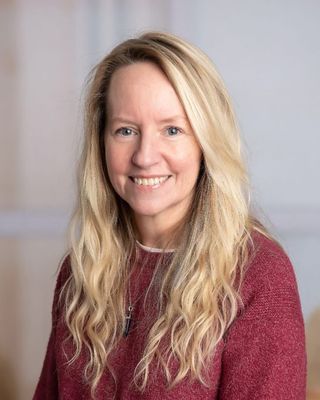
Hosted by Meredith J Hamel
Drug & Alcohol Counselor, LCMHC, MLADC, IDSP
Group meets in Rochester, NH 03867
An open, non- judgmental space for those new to recovery, or questioning substance use, and want education on addiction. Research provides evidence that group therapy is highly effective for addiction recovery. Some main benefits of participating in group therapy discussions: Gain greater self-awareness by listening to others; improve communication skills; connect with peers through shared experiences; receive honest feedback; and get outside perspectives; reduce isolation, shame, loneliness, and stigmatization. Overall, group therapy boosts a person’s ability to maintain long-lasting sobriety; and provides a safe haven of support, understanding, and mutual respect
A psychoeducational group that offers skills to recover from stress, substance recovery, trauma and adversity. This is for anyone hoping to draw on individual, innate strengths to bounce back from setbacks; stay calm under pressure; manage distressing emotions; build self-esteem and enter strength; and thrive in difficult situations. The focus is on the Mind Body connection using poly-vegal theory and evidence-based trauma approaches
Hosted by Meredith J Hamel
Drug & Alcohol Counselor, LCMHC, MLADC, IDSP
Group meets in Rochester, NH 03867
A psychoeducational group that offers skills to recover from stress, substance recovery, trauma and adversity. This is for anyone hoping to draw on individual, innate strengths to bounce back from setbacks; stay calm under pressure; manage distressing emotions; build self-esteem and enter strength; and thrive in difficult situations. The focus is on the Mind Body connection using poly-vegal theory and evidence-based trauma approaches
An experiential, mindfulness-based program using evidence-based tools to learn and practice the skills of emotional regulation, mindfulness, meditation, distress tolerance skills, radical acceptance, and developing innate qualities to overcome stress, anxiety and anger. The purpose is to improve emotional health and increase psychological flexibility. You will learn the basics of Buddhism, and how they can translate to our Western world mental health solutions!
Hosted by Meredith J Hamel
Drug & Alcohol Counselor, LCMHC, MLADC, IDSP
Group meets in Rochester, NH 03867
An experiential, mindfulness-based program using evidence-based tools to learn and practice the skills of emotional regulation, mindfulness, meditation, distress tolerance skills, radical acceptance, and developing innate qualities to overcome stress, anxiety and anger. The purpose is to improve emotional health and increase psychological flexibility. You will learn the basics of Buddhism, and how they can translate to our Western world mental health solutions!
More Groups Nearby
OneLife therapists are committed to their own personal growth through advanced training in the latest evidence-based treatments and receive ongoing clinical supervision. They are experts in their field adhering to the highest clinical and professional standards. A human being is composed of body, mind, and spirit, each designed to work in harmony - they affect each other. True healing happens when all three areas are addressed in therapy. Our counselors are trained to understand the whole person, addressing not just the symptoms but the root causes to bring lasting resolution.
OneLife therapists are committed to their own personal growth through advanced training in the latest evidence-based treatments and receive ongoing clinical supervision. They are experts in their field adhering to the highest clinical and professional standards. A human being is composed of body, mind, and spirit, each designed to work in harmony - they affect each other. True healing happens when all three areas are addressed in therapy. Our counselors are trained to understand the whole person, addressing not just the symptoms but the root causes to bring lasting resolution.
Herren Project hosts live online support groups for families and loved ones affected by substance or alcohol use disorder. I facilitate spousal/partner support groups that meet weekly via Zoom and are offered at no cost, thanks to donations. All you need is a computer or phone to join. All are welcome, and participation (speaking/sharing) is not required (but encouraged!). You must be 18 years of age to participate. All groups are held in EST. To register and learn more: https://herrenproject.org/ online-support-groups/
Herren Project hosts live online support groups for families and loved ones affected by substance or alcohol use disorder. I facilitate spousal/partner support groups that meet weekly via Zoom and are offered at no cost, thanks to donations. All you need is a computer or phone to join. All are welcome, and participation (speaking/sharing) is not required (but encouraged!). You must be 18 years of age to participate. All groups are held in EST. To register and learn more: https://herrenproject.org/ online-support-groups/
Private practice with a focus upon adults, children, and families.

Private practice with a focus upon adults, children, and families.
EMDRIA Approved Consultation groups for EMDR clinicians to enhance their practice of EMDR therapy. There are two separate groups one for advanced clinicians to explore new protocols and modifications to the standard protocol. The second is a more basic group which focuses on fine tuning skills utilizing the standard protocol.

Hosted by Peg Correia
Drug & Alcohol Counselor, MEd, MLADC, CPATP
Group meets in Portsmouth, NH 03801
EMDRIA Approved Consultation groups for EMDR clinicians to enhance their practice of EMDR therapy. There are two separate groups one for advanced clinicians to explore new protocols and modifications to the standard protocol. The second is a more basic group which focuses on fine tuning skills utilizing the standard protocol.
Learn three core skills that make real change possible: managing your emotions, changing unhelpful thoughts, and building a healthier environment. Our groups of 6–12 people offer a safe place to practice these skills. Built on a combined 60 years of practice and created by licensed clinicians that are seacoast residents, it uses a person-centered, trauma-informed approach. You’ll grow your confidence, improve your relationships, and build a plan to overcome substance use for good. You won’t get the same old “disease model.” You’ll get a clear, practical path forward. All groups include bridge psychiatry.

Hosted by John Iudice
Clinical Social Work/Therapist, LICSW, MLADC
Group meets in Greenland, NH 03840
Learn three core skills that make real change possible: managing your emotions, changing unhelpful thoughts, and building a healthier environment. Our groups of 6–12 people offer a safe place to practice these skills. Built on a combined 60 years of practice and created by licensed clinicians that are seacoast residents, it uses a person-centered, trauma-informed approach. You’ll grow your confidence, improve your relationships, and build a plan to overcome substance use for good. You won’t get the same old “disease model.” You’ll get a clear, practical path forward. All groups include bridge psychiatry.
Using curiosity, space, attention, movement, breath all in the container of community we will embark on this inquiry into our innate nature. We meet in person four times over a nine month period this first year with three 60-90 minute zoom sessions in between as a community. The work is subtle. You want to have your explorer hat on. An opportunity to develop dual consciousness. Updating our self through rewiring our nervous system. This program is co-created by Linda Tremblay and Jan Lesieur.

Using curiosity, space, attention, movement, breath all in the container of community we will embark on this inquiry into our innate nature. We meet in person four times over a nine month period this first year with three 60-90 minute zoom sessions in between as a community. The work is subtle. You want to have your explorer hat on. An opportunity to develop dual consciousness. Updating our self through rewiring our nervous system. This program is co-created by Linda Tremblay and Jan Lesieur.
We offer monthly groups! Please visit our website: capitalarttherapy.com or Capital Art Therapy on Event Brite to register.

We offer monthly groups! Please visit our website: capitalarttherapy.com or Capital Art Therapy on Event Brite to register.
Open to women of all ages who struggle with any type of addiction. This group addresses the root of the problem and will introduce women to effective coping skills to help get over the addiction and move into a life worth living. Struggling with Codependency? We're starting a Codependency Group soon!

Hosted by Jennifer Casey, LADC Counseling, LLC
Drug & Alcohol Counselor, LADC, BS
Group meets in North Hampton, NH 03862
Open to women of all ages who struggle with any type of addiction. This group addresses the root of the problem and will introduce women to effective coping skills to help get over the addiction and move into a life worth living. Struggling with Codependency? We're starting a Codependency Group soon!
womens group forming, which combines equine assisted psychotherapy and traditional psychotherapy. Focus of group is on growth, change, increased self awareness,energizing for a stronger vision of life goals, identifying emotional blocks and increasing joy.
Hosted by Catherine Murphy
Marriage & Family Therapist, MEd, LMFT, ADC
Group meets in Kensington, NH 03833
womens group forming, which combines equine assisted psychotherapy and traditional psychotherapy. Focus of group is on growth, change, increased self awareness,energizing for a stronger vision of life goals, identifying emotional blocks and increasing joy.
This group meets to provide support to women in trasnsitions and minimize isolation and anxiety both with social distancing in an outside court yard and on line as needed.It will accept new members October 1. we add and may rotate members every six weeks for a max of 8 members max. In winter we will meet in a sanitized Yoga studio. we will have some DBT and CBT structure to the group. Please call to make an apointment to see if this would work for you.
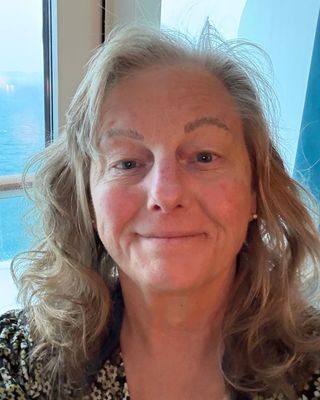
Hosted by Seaport support , LLC. Mary Yost
Counselor, LCMHC, MA, MLADC
Group meets in Portsmouth, NH 03801
This group meets to provide support to women in trasnsitions and minimize isolation and anxiety both with social distancing in an outside court yard and on line as needed.It will accept new members October 1. we add and may rotate members every six weeks for a max of 8 members max. In winter we will meet in a sanitized Yoga studio. we will have some DBT and CBT structure to the group. Please call to make an apointment to see if this would work for you.
This 8 week in-person divorce group is available to anyone already divorced or currently in the divorce process who is looking for support through this season of major life changes and adjustments. The group will explore common experiences such as denial, fear, sadness, anger, loneliness, grief, and familial and social changes. The group starts Wednesday, Nov 4th from 9am to 10am and continues weekly through Dec 23rd. Each session is $40 and advance registration is required. Please contact Nikki Hipps at 603-326-6405 or nikkidhippscounseling@gmail.com to register or for more information.
Hosted by Nikki D. Hipps Counseling, LLC
Marriage & Family Therapist, LMFT
Group meets in Concord, NH 03301
This 8 week in-person divorce group is available to anyone already divorced or currently in the divorce process who is looking for support through this season of major life changes and adjustments. The group will explore common experiences such as denial, fear, sadness, anger, loneliness, grief, and familial and social changes. The group starts Wednesday, Nov 4th from 9am to 10am and continues weekly through Dec 23rd. Each session is $40 and advance registration is required. Please contact Nikki Hipps at 603-326-6405 or nikkidhippscounseling@gmail.com to register or for more information.
James Foster & Associates offers State Approved individual and group Anger Management classes. These classes examine the use of anger, the management of stress, triggers and problem solving strategies that will promote a healthy way of communicating that will build positive relationships.
Please call (603)668-7744 to register.

James Foster & Associates offers State Approved individual and group Anger Management classes. These classes examine the use of anger, the management of stress, triggers and problem solving strategies that will promote a healthy way of communicating that will build positive relationships.
Please call (603)668-7744 to register.
This is an in person / distanced long term group for men who are making transitions in life. This may include health changes, relationship changes and men want to be in a small group of 6. New coping skills and feedback from other members will develop as the group develops long term depth and group with a facilitator. $180 commitment for first 6 weeks. Insurance accepted after payment for first 3 groups.
Hosted by Seaport support , LLC. Mary Yost
Counselor, LCMHC, MA, MLADC
Group meets in Portsmouth, NH 03801
This is an in person / distanced long term group for men who are making transitions in life. This may include health changes, relationship changes and men want to be in a small group of 6. New coping skills and feedback from other members will develop as the group develops long term depth and group with a facilitator. $180 commitment for first 6 weeks. Insurance accepted after payment for first 3 groups.
This group is for court mandated and/or self mandated clients involved in domestic violence. Using the EMERGE model, this group runs for 36 weeks. Each week is 1.5 hours in length. The group meets on Saturdays from 10:00AM - 11:30 AM live via secure video. There is a rolling admission to this group. Begins July 2020

Hosted by New England Anger Management - Rev. Philip Meher
Counselor, MA, MEd, LCMHC, CAMT
Group meets in Portsmouth, NH 03801
This group is for court mandated and/or self mandated clients involved in domestic violence. Using the EMERGE model, this group runs for 36 weeks. Each week is 1.5 hours in length. The group meets on Saturdays from 10:00AM - 11:30 AM live via secure video. There is a rolling admission to this group. Begins July 2020
We will create space for creative expression and reflection, explore the unique experience of grief after suicide loss, and find meaningful ways to remember and honor your child. Through connection with other parents who understand this kind of loss, we will explore how to carry both grief and love forward while continuing the bond you share with your child.
Hosted by Compass of Hope
Clinical Mental Health Counselor, LCMHC, LMHC, LPC, MA
Group meets in Hooksett, NH 03106
We will create space for creative expression and reflection, explore the unique experience of grief after suicide loss, and find meaningful ways to remember and honor your child. Through connection with other parents who understand this kind of loss, we will explore how to carry both grief and love forward while continuing the bond you share with your child.
Please have a look at the site - www.genesisprocess.org . With the Relapse prevention workbook - I find that this is an effective and proven course that leads a path of self discovery and experiential inventory of why we behave and do the things that are not good or healthy for us.

Hosted by Charles Clark Pastoral Counseling & Life Coaching
Pastoral Counselor, BSc, MAR, BCPC, ICCA LC, LicMin
Group meets in Kingston, NH 03848
Please have a look at the site - www.genesisprocess.org . With the Relapse prevention workbook - I find that this is an effective and proven course that leads a path of self discovery and experiential inventory of why we behave and do the things that are not good or healthy for us.
This is an 6 session council of your peers co-facilitated by Mary Ford, Psychiatric Nurse Practitioner (https://change-with-more-ease.com), and Linda Tremblay, LCMHC, MLADC. We will gather on virtual zoom and Listen from the Heart. (Not listening in order to respond.) Share from the Heart (Not to impress or to know.) Be lean of speech (Practicing generosity and allowing space for others.) Spontaneity (Responding in the present moment, not pre-scripting.)
This is an 6 session council of your peers co-facilitated by Mary Ford, Psychiatric Nurse Practitioner (https://change-with-more-ease.com), and Linda Tremblay, LCMHC, MLADC. We will gather on virtual zoom and Listen from the Heart. (Not listening in order to respond.) Share from the Heart (Not to impress or to know.) Be lean of speech (Practicing generosity and allowing space for others.) Spontaneity (Responding in the present moment, not pre-scripting.)
See more therapy options for 03867


FAQs - About Group Therapy and Support Groups
How can I find a support group in 03867?
To find a support group in your area, start by entering your city, zip code, or the name of the group into the search bar at the top of the page. When searching, consider whether you prefer an in-person or virtual group. This can help you decide how broad your geographic search should be. If you are open to virtual groups, you might want to search by state instead of just your city, especially if there are limited options nearby.
Once you complete your search, you can use the filters to narrow the results by selecting specialties (such as grief, trauma, or eating disorders), therapeutic approaches, age groups, and other criteria to find a group that best fits your needs.
How does group therapy work?
Group therapy is led by one or more trained therapists and provides a space where participants can process their experiences and learn from others facing similar challenges. Groups may focus on a specific issue—such as addiction, grief, physical illnesses, parenting, or caregiving—or they may center around a particular therapeutic approach, such as Cognitive Behavioral Therapy (CBT), social skill development, or Exposure Therapy. Some groups are also designed for specific populations, such as teens, veterans, or LGBTQ+ individuals.
It’s also important to distinguish group therapy from peer-led support groups, like Alcoholics Anonymous. While both can offer valuable support, therapy groups are typically led by licensed professionals and follow a more structured format. Therapy groups often meet for a fixed length of time with a consistent group of members, while many peer support groups meet for an indefinite period of time with members coming and going.
What are the benefits of group therapy?
Group therapy offers several important benefits. It brings together people facing similar challenges—whether related to mental health, physical health, or life transitions—and creates a supportive environment where participants can exchange feedback, share experiences, and learn from one another. Hearing different perspectives can help individuals discover new coping strategies and practical tools they may not have encountered on their own. Sharing personal experiences, such as coping with a serious illness or navigating family struggles, can also reduce feelings of isolation and foster a sense of connection and understanding. In addition to emotional support, group members often gain useful, real-world advice from peers who have faced similar situations.
Group therapy is typically more affordable than individual therapy and, for certain conditions, can be equally effective. Many groups also include structured activities—such as guided journaling, cognitive-behavioral exercises, or role-playing—to help participants develop concrete skills they can apply in daily life.
Is group therapy as effective as individual therapy?
It is difficult to make a blanket statement about the effectiveness of support groups, as they vary widely in focus and the conditions they address. However, support groups can be highly valuable in helping individuals gain emotional support and achieve meaningful treatment outcomes. For certain conditions, such as substance use, research has shown that group therapy can be particularly effective—sometimes just as effective as individual therapy—in supporting long-term recovery.
Many professionals attribute the effectiveness of group therapy to the unique benefits of the group setting, which fosters peer-to-peer learning and a sense of connection through shared experiences. Group settings also offer accountability and encouragement from both facilitators and fellow participants, which helps sustain motivation and supports continued progress. These factors together play a key role in promoting the overall effectiveness of group therapy.
How much does group therapy cost?
Group therapy is typically less expensive than individual therapy, with sessions typically costing between $50 and $75 each. In comparison, individual therapy can cost anywhere from $100 to $200 or more per session, even with insurance. Some therapists or organizations offer low-cost or free group therapy options, particularly through community centers or nonprofit organizations. In some cases, groups may require payment upfront for a set number of sessions, such as paying for six weekly sessions at the first meeting. However, many providers offer payment plans to help make participation more accessible if this upfront payment is required.
Does insurance cover group therapy?
As with individual therapy, insurance coverage for group therapy varies based on factors such as your specific insurance plan, the purpose of the group, your diagnosis, and whether the group provider is in-network. Many insurance plans cover group therapy sessions that address diagnosable mental health conditions, such as substance use disorders, anxiety, or depression.
However, groups that focus on topics not directly tied to a mental health diagnosis—such as parenting support or divorce recovery—are less likely to be covered. Because coverage can vary widely, it’s important to check with your insurance provider before joining a group to confirm whether the sessions will be covered and what out-of-pocket costs you may be responsible for.
How long does group therapy last?
The length of each group therapy session typically ranges from 45 minutes to two hours, depending on the therapy approach, the group’s goals, and how often the group meets. In some cases, group therapy is part of a larger treatment program, such as an Intensive Outpatient Program (IOP), where group sessions complement individual therapy and are scheduled as part of the program’s overall structure.
The duration of participation in a group also varies. Some groups are designed to be short-term, lasting anywhere from 6 to 24 weeks—for example, bereavement groups or skills-based groups like those using Dialectical Behavioral Therapy (DBT). Other groups may be longer-term, lasting a year or more, and some ongoing support groups meet indefinitely, allowing participants to stay as long as they find the group helpful.
What are the limitations of support groups?
Support groups offer many benefits, but they also have certain limitations. Unlike therapy groups, many support groups do not provide formal therapeutic treatment and are not led by licensed mental health professionals. For individuals seeking clinical treatment for specific mental health diagnoses—such as depression, eating disorders, or substance use—individual therapy or group therapy led by a licensed professional may offer more personalized and specialized care.
The effectiveness of a support group also depends heavily on the group’s participants and the overall group dynamic. When members engage respectfully and offer constructive support, the group can foster valuable peer-to-peer learning. However, if certain participants dominate discussions, provide inaccurate advice, or create conflict, it can disrupt the group’s sense of safety and reduce its effectiveness. Confidentiality can also be harder to maintain in support groups, particularly in open groups where participants can join or leave at any time. With new members regularly entering the group, it can be more difficult to build and sustain a consistent sense of trust and privacy.