Support Groups in 03820
This group will teach you how to have a better night's sleep using current research and science. As part of the group we will discuss what gets in the way and ways to alleviate stressors. the group will run for six weeks.

This group will teach you how to have a better night's sleep using current research and science. As part of the group we will discuss what gets in the way and ways to alleviate stressors. the group will run for six weeks.
More Groups Nearby
An open, non- judgmental space for those new to recovery, or questioning substance use, and want education on addiction. Research provides evidence that group therapy is highly effective for addiction recovery. Some main benefits of participating in group therapy discussions: Gain greater self-awareness by listening to others; improve communication skills; connect with peers through shared experiences; receive honest feedback; and get outside perspectives; reduce isolation, shame, loneliness, and stigmatization. Overall, group therapy boosts a person’s ability to maintain long-lasting sobriety; and provides a safe haven of support, understanding, and mutual respect

Hosted by Meredith J Hamel
Drug & Alcohol Counselor, LCMHC, MLADC, IDSP
Group meets in Rochester, NH 03867
An open, non- judgmental space for those new to recovery, or questioning substance use, and want education on addiction. Research provides evidence that group therapy is highly effective for addiction recovery. Some main benefits of participating in group therapy discussions: Gain greater self-awareness by listening to others; improve communication skills; connect with peers through shared experiences; receive honest feedback; and get outside perspectives; reduce isolation, shame, loneliness, and stigmatization. Overall, group therapy boosts a person’s ability to maintain long-lasting sobriety; and provides a safe haven of support, understanding, and mutual respect
There is a story being told about you. Perhaps it was handed to you in childhood, wrapped in the language of other people's fear or disappointment. Perhaps it arrived later — through a marriage that didn't hold, a season of loss with no clear ending, or the slow erosion of a dream deferred. And perhaps you have been living inside that story for so long that you have begun to mistake it for the truth. This group is built on a different premise. Drawing on narrative therapy, we begin with a deceptively simple idea: the problem is not you. The problem is the problem.
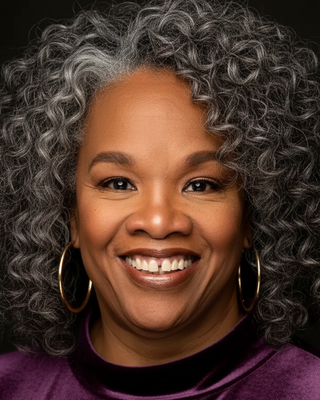
Hosted by Nadine Thompson
Clinical Social Work/Therapist, MSW, LICSW
Group meets in Exeter, NH 03833
There is a story being told about you. Perhaps it was handed to you in childhood, wrapped in the language of other people's fear or disappointment. Perhaps it arrived later — through a marriage that didn't hold, a season of loss with no clear ending, or the slow erosion of a dream deferred. And perhaps you have been living inside that story for so long that you have begun to mistake it for the truth. This group is built on a different premise. Drawing on narrative therapy, we begin with a deceptively simple idea: the problem is not you. The problem is the problem.
Reconnect with your body. Rebuild trust. Rediscover ease with food. This 12-week experiential workshop is designed for individuals seeking a more peaceful, empowered relationship with food and their bodies. Through guided discussion, skills practice, and supportive community, participants will explore principles of Intuitive Eating and learn how to: Tune into hunger, fullness, and satisfaction cues; Reduce guilt and anxiety around eating; Challenge unhelpful diet rules and internalized weight stigma; Build sustainable, compassionate self-care practices.
Reconnect with your body. Rebuild trust. Rediscover ease with food. This 12-week experiential workshop is designed for individuals seeking a more peaceful, empowered relationship with food and their bodies. Through guided discussion, skills practice, and supportive community, participants will explore principles of Intuitive Eating and learn how to: Tune into hunger, fullness, and satisfaction cues; Reduce guilt and anxiety around eating; Challenge unhelpful diet rules and internalized weight stigma; Build sustainable, compassionate self-care practices.
EMDRIA Approved Consultation groups for EMDR clinicians to enhance their practice of EMDR therapy. There are two separate groups one for advanced clinicians to explore new protocols and modifications to the standard protocol. The second is a more basic group which focuses on fine tuning skills utilizing the standard protocol.

Hosted by Peg Correia
Drug & Alcohol Counselor, MEd, MLADC, CPATP
Group meets in Portsmouth, NH 03801
EMDRIA Approved Consultation groups for EMDR clinicians to enhance their practice of EMDR therapy. There are two separate groups one for advanced clinicians to explore new protocols and modifications to the standard protocol. The second is a more basic group which focuses on fine tuning skills utilizing the standard protocol.
I meet weekly with people who are concerned about a loved one's substance problem. This group helps educate and support the people who care deeply about the drug or alcohol user. You'll be given effective tools to use to get through each day.

Hosted by Jennifer Casey, LADC Counseling, LLC
Drug & Alcohol Counselor, LADC, BS
Group meets in North Hampton, NH 03862
I meet weekly with people who are concerned about a loved one's substance problem. This group helps educate and support the people who care deeply about the drug or alcohol user. You'll be given effective tools to use to get through each day.
Private practice with a focus upon adults, children, and families.

Private practice with a focus upon adults, children, and families.
Bloom is a contemplative, women's wellness group for those who feel pulled toward slower, deeper work — the kind that asks not what is wrong with you, but what is ready to grow. Whether you are emerging from a hard season, standing at the edge of a transition, or simply longing to come home to yourself, this circle offers structured space to tend to your inner landscape with intention, tenderness, and care. What if the most important garden you will ever tend is the one within? A Group for Women Tending the Soul's Inner Landscape.
Hosted by Nadine Thompson
Clinical Social Work/Therapist, MSW, LICSW
Group meets in Exeter, NH 03833
Bloom is a contemplative, women's wellness group for those who feel pulled toward slower, deeper work — the kind that asks not what is wrong with you, but what is ready to grow. Whether you are emerging from a hard season, standing at the edge of a transition, or simply longing to come home to yourself, this circle offers structured space to tend to your inner landscape with intention, tenderness, and care. What if the most important garden you will ever tend is the one within? A Group for Women Tending the Soul's Inner Landscape.
Open to women of all ages who struggle with any type of addiction. This group addresses the root of the problem and will introduce women to effective coping skills to help get over the addiction and move into a life worth living. Struggling with Codependency? We're starting a Codependency Group soon!
Hosted by Jennifer Casey, LADC Counseling, LLC
Drug & Alcohol Counselor, LADC, BS
Group meets in North Hampton, NH 03862
Open to women of all ages who struggle with any type of addiction. This group addresses the root of the problem and will introduce women to effective coping skills to help get over the addiction and move into a life worth living. Struggling with Codependency? We're starting a Codependency Group soon!
Starting on 9/25/24! I am excited to offer this ongoing group for teen girls ages 14 - 17 yrs. Every Tuesday 4:30 - 5:45pm. It is co-facilitated, and filled with lots of therapeutic support to address healthy social connection in conjunction with effective coping strategies to combat anxiety, depressed thoughts, loneliness, negative self talk and more! An opportunity to share experiences and lift each other up with fun and engaging activities. Snacks and water provided at every session. Initial 15 minute intake required. Ends 6/10/25
Starting on 9/25/24! I am excited to offer this ongoing group for teen girls ages 14 - 17 yrs. Every Tuesday 4:30 - 5:45pm. It is co-facilitated, and filled with lots of therapeutic support to address healthy social connection in conjunction with effective coping strategies to combat anxiety, depressed thoughts, loneliness, negative self talk and more! An opportunity to share experiences and lift each other up with fun and engaging activities. Snacks and water provided at every session. Initial 15 minute intake required. Ends 6/10/25
A psychoeducational group that offers skills to recover from stress, substance recovery, trauma and adversity. This is for anyone hoping to draw on individual, innate strengths to bounce back from setbacks; stay calm under pressure; manage distressing emotions; build self-esteem and enter strength; and thrive in difficult situations. The focus is on the Mind Body connection using poly-vegal theory and evidence-based trauma approaches
Hosted by Meredith J Hamel
Drug & Alcohol Counselor, LCMHC, MLADC, IDSP
Group meets in Rochester, NH 03867
A psychoeducational group that offers skills to recover from stress, substance recovery, trauma and adversity. This is for anyone hoping to draw on individual, innate strengths to bounce back from setbacks; stay calm under pressure; manage distressing emotions; build self-esteem and enter strength; and thrive in difficult situations. The focus is on the Mind Body connection using poly-vegal theory and evidence-based trauma approaches
This small but mighty group of art therapists are in different stages of certification, licensure, and journeys of an art therapist. Join us!

Hosted by The Southern NH Expressive Arts Therapy Studio, PL
Clinical Mental Health Counselor, PhD, LCMHC, ATR-BC, ATCS, LCPC
Group meets in Pembroke, NH 03275
This small but mighty group of art therapists are in different stages of certification, licensure, and journeys of an art therapist. Join us!
Learn three core skills that make real change possible: managing your emotions, changing unhelpful thoughts, and building a healthier environment. Our groups of 6–12 people offer a safe place to practice these skills. Built on a combined 60 years of practice and created by licensed clinicians that are seacoast residents, it uses a person-centered, trauma-informed approach. You’ll grow your confidence, improve your relationships, and build a plan to overcome substance use for good. You won’t get the same old “disease model.” You’ll get a clear, practical path forward. All groups include bridge psychiatry.

Hosted by John Iudice
Clinical Social Work/Therapist, LICSW, MLADC
Group meets in Greenland, NH 03840
Learn three core skills that make real change possible: managing your emotions, changing unhelpful thoughts, and building a healthier environment. Our groups of 6–12 people offer a safe place to practice these skills. Built on a combined 60 years of practice and created by licensed clinicians that are seacoast residents, it uses a person-centered, trauma-informed approach. You’ll grow your confidence, improve your relationships, and build a plan to overcome substance use for good. You won’t get the same old “disease model.” You’ll get a clear, practical path forward. All groups include bridge psychiatry.
Take a look at our website www.bedfordfamilytherapy.com. We have practice locations in Exeter and Bedford, NH as well as Charlotte, NC. In addition to individual, couples and family therapy, we also offer a division called INTEGRATE which provides ABA (Applied Behavioral Analysis), SLP (Speech and Language Pathology); ADHD and Executive Function Coaching; Case Management; Supplement Support; Life Coaching and Executive Consulting. We believe in treating the whole person systemically. Please reach out to our intake coordinator, Deb Belleau, at 603-606-1233 x 208 for more information!

Hosted by Lisa Boldin
Clinical Social Work/Therapist, MBA/MSW, LICSW
Group meets in Exeter, NH 03833
Take a look at our website www.bedfordfamilytherapy.com. We have practice locations in Exeter and Bedford, NH as well as Charlotte, NC. In addition to individual, couples and family therapy, we also offer a division called INTEGRATE which provides ABA (Applied Behavioral Analysis), SLP (Speech and Language Pathology); ADHD and Executive Function Coaching; Case Management; Supplement Support; Life Coaching and Executive Consulting. We believe in treating the whole person systemically. Please reach out to our intake coordinator, Deb Belleau, at 603-606-1233 x 208 for more information!
This is an 6 session council of your peers co-facilitated by Mary Ford, Psychiatric Nurse Practitioner (https://change-with-more-ease.com), and Linda Tremblay, LCMHC, MLADC. We will gather on virtual zoom and Listen from the Heart. (Not listening in order to respond.) Share from the Heart (Not to impress or to know.) Be lean of speech (Practicing generosity and allowing space for others.) Spontaneity (Responding in the present moment, not pre-scripting.)

This is an 6 session council of your peers co-facilitated by Mary Ford, Psychiatric Nurse Practitioner (https://change-with-more-ease.com), and Linda Tremblay, LCMHC, MLADC. We will gather on virtual zoom and Listen from the Heart. (Not listening in order to respond.) Share from the Heart (Not to impress or to know.) Be lean of speech (Practicing generosity and allowing space for others.) Spontaneity (Responding in the present moment, not pre-scripting.)
Parenting Skills and Support Group: Focusing on presenting information on a variety of parenting topics and skills, followed by a period of discussion and mutual support for parents. Topics will include Parenting Styles, Child Development, Attachment and Anxiety, Discipline and Behavior Plans, Predictable Problems, Teenagers and Adolescence, Siblings and Family Dynamics, Family Culture and Values, and Common Mental Health Difficulties.

Hosted by Alliance Mental Health & Youth Consult Services
Licensed Clinical Professional Counselor
Group meets in Barrington, NH 03825
Parenting Skills and Support Group: Focusing on presenting information on a variety of parenting topics and skills, followed by a period of discussion and mutual support for parents. Topics will include Parenting Styles, Child Development, Attachment and Anxiety, Discipline and Behavior Plans, Predictable Problems, Teenagers and Adolescence, Siblings and Family Dynamics, Family Culture and Values, and Common Mental Health Difficulties.
Using curiosity, space, attention, movement, breath all in the container of community we will embark on this inquiry into our innate nature. We meet in person four times over a nine month period this first year with three 60-90 minute zoom sessions in between as a community. The work is subtle. You want to have your explorer hat on. An opportunity to develop dual consciousness. Updating our self through rewiring our nervous system. This program is co-created by Linda Tremblay and Jan Lesieur.
Using curiosity, space, attention, movement, breath all in the container of community we will embark on this inquiry into our innate nature. We meet in person four times over a nine month period this first year with three 60-90 minute zoom sessions in between as a community. The work is subtle. You want to have your explorer hat on. An opportunity to develop dual consciousness. Updating our self through rewiring our nervous system. This program is co-created by Linda Tremblay and Jan Lesieur.
This group is for court mandated and/or self mandated clients involved in domestic violence. Using the EMERGE model, this group runs for 36 weeks. Each week is 1.5 hours in length. The group meets on Saturdays from 10:00AM - 11:30 AM live via secure video. There is a rolling admission to this group. Begins July 2020

Hosted by New England Anger Management - Rev. Philip Meher
Counselor, MA, MEd, LCMHC, CAMT
Group meets in Portsmouth, NH 03801
This group is for court mandated and/or self mandated clients involved in domestic violence. Using the EMERGE model, this group runs for 36 weeks. Each week is 1.5 hours in length. The group meets on Saturdays from 10:00AM - 11:30 AM live via secure video. There is a rolling admission to this group. Begins July 2020
OneLife therapists are committed to their own personal growth through advanced training in the latest evidence-based treatments and receive ongoing clinical supervision. They are experts in their field adhering to the highest clinical and professional standards. A human being is composed of body, mind, and spirit, each designed to work in harmony - they affect each other. True healing happens when all three areas are addressed in therapy. Our counselors are trained to understand the whole person, addressing not just the symptoms but the root causes to bring lasting resolution.
OneLife therapists are committed to their own personal growth through advanced training in the latest evidence-based treatments and receive ongoing clinical supervision. They are experts in their field adhering to the highest clinical and professional standards. A human being is composed of body, mind, and spirit, each designed to work in harmony - they affect each other. True healing happens when all three areas are addressed in therapy. Our counselors are trained to understand the whole person, addressing not just the symptoms but the root causes to bring lasting resolution.
Herren Project hosts live online support groups for families and loved ones affected by substance or alcohol use disorder. I facilitate spousal/partner support groups that meet weekly via Zoom and are offered at no cost, thanks to donations. All you need is a computer or phone to join. All are welcome, and participation (speaking/sharing) is not required (but encouraged!). You must be 18 years of age to participate. All groups are held in EST. To register and learn more: https://herrenproject.org/ online-support-groups/
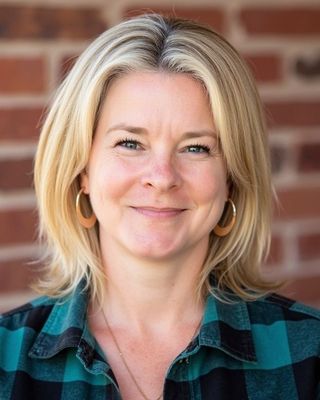
Herren Project hosts live online support groups for families and loved ones affected by substance or alcohol use disorder. I facilitate spousal/partner support groups that meet weekly via Zoom and are offered at no cost, thanks to donations. All you need is a computer or phone to join. All are welcome, and participation (speaking/sharing) is not required (but encouraged!). You must be 18 years of age to participate. All groups are held in EST. To register and learn more: https://herrenproject.org/ online-support-groups/
See more therapy options for 03820


FAQs - About Group Therapy and Support Groups
How can I find a support group in 03820?
To find a support group in your area, start by entering your city, zip code, or the name of the group into the search bar at the top of the page. When searching, consider whether you prefer an in-person or virtual group. This can help you decide how broad your geographic search should be. If you are open to virtual groups, you might want to search by state instead of just your city, especially if there are limited options nearby.
Once you complete your search, you can use the filters to narrow the results by selecting specialties (such as grief, trauma, or eating disorders), therapeutic approaches, age groups, and other criteria to find a group that best fits your needs.
Once you complete your search, you can use the filters to narrow the results by selecting specialties (such as grief, trauma, or eating disorders), therapeutic approaches, age groups, and other criteria to find a group that best fits your needs.
How does group therapy work?
Group therapy is led by one or more trained therapists and provides a space where participants can process their experiences and learn from others facing similar challenges. Groups may focus on a specific issue—such as addiction, grief, physical illnesses, parenting, or caregiving—or they may center around a particular therapeutic approach, such as Cognitive Behavioral Therapy (CBT), social skill development, or Exposure Therapy. Some groups are also designed for specific populations, such as teens, veterans, or LGBTQ+ individuals.
It’s also important to distinguish group therapy from peer-led support groups, like Alcoholics Anonymous. While both can offer valuable support, therapy groups are typically led by licensed professionals and follow a more structured format. Therapy groups often meet for a fixed length of time with a consistent group of members, while many peer support groups meet for an indefinite period of time with members coming and going.
It’s also important to distinguish group therapy from peer-led support groups, like Alcoholics Anonymous. While both can offer valuable support, therapy groups are typically led by licensed professionals and follow a more structured format. Therapy groups often meet for a fixed length of time with a consistent group of members, while many peer support groups meet for an indefinite period of time with members coming and going.
What are the benefits of group therapy?
Group therapy offers several important benefits. It brings together people facing similar challenges—whether related to mental health, physical health, or life transitions—and creates a supportive environment where participants can exchange feedback, share experiences, and learn from one another. Hearing different perspectives can help individuals discover new coping strategies and practical tools they may not have encountered on their own. Sharing personal experiences, such as coping with a serious illness or navigating family struggles, can also reduce feelings of isolation and foster a sense of connection and understanding. In addition to emotional support, group members often gain useful, real-world advice from peers who have faced similar situations.
Group therapy is typically more affordable than individual therapy and, for certain conditions, can be equally effective. Many groups also include structured activities—such as guided journaling, cognitive-behavioral exercises, or role-playing—to help participants develop concrete skills they can apply in daily life.
Group therapy is typically more affordable than individual therapy and, for certain conditions, can be equally effective. Many groups also include structured activities—such as guided journaling, cognitive-behavioral exercises, or role-playing—to help participants develop concrete skills they can apply in daily life.
Is group therapy as effective as individual therapy?
It is difficult to make a blanket statement about the effectiveness of support groups, as they vary widely in focus and the conditions they address. However, support groups can be highly valuable in helping individuals gain emotional support and achieve meaningful treatment outcomes. For certain conditions, such as substance use, research has shown that group therapy can be particularly effective—sometimes just as effective as individual therapy—in supporting long-term recovery.
Many professionals attribute the effectiveness of group therapy to the unique benefits of the group setting, which fosters peer-to-peer learning and a sense of connection through shared experiences. Group settings also offer accountability and encouragement from both facilitators and fellow participants, which helps sustain motivation and supports continued progress. These factors together play a key role in promoting the overall effectiveness of group therapy.
Many professionals attribute the effectiveness of group therapy to the unique benefits of the group setting, which fosters peer-to-peer learning and a sense of connection through shared experiences. Group settings also offer accountability and encouragement from both facilitators and fellow participants, which helps sustain motivation and supports continued progress. These factors together play a key role in promoting the overall effectiveness of group therapy.
How much does group therapy cost?
Group therapy is typically less expensive than individual therapy, with sessions typically costing between $50 and $75 each. In comparison, individual therapy can cost anywhere from $100 to $200 or more per session, even with insurance. Some therapists or organizations offer low-cost or free group therapy options, particularly through community centers or nonprofit organizations. In some cases, groups may require payment upfront for a set number of sessions, such as paying for six weekly sessions at the first meeting. However, many providers offer payment plans to help make participation more accessible if this upfront payment is required.
Does insurance cover group therapy?
As with individual therapy, insurance coverage for group therapy varies based on factors such as your specific insurance plan, the purpose of the group, your diagnosis, and whether the group provider is in-network. Many insurance plans cover group therapy sessions that address diagnosable mental health conditions, such as substance use disorders, anxiety, or depression.
However, groups that focus on topics not directly tied to a mental health diagnosis—such as parenting support or divorce recovery—are less likely to be covered. Because coverage can vary widely, it’s important to check with your insurance provider before joining a group to confirm whether the sessions will be covered and what out-of-pocket costs you may be responsible for.
However, groups that focus on topics not directly tied to a mental health diagnosis—such as parenting support or divorce recovery—are less likely to be covered. Because coverage can vary widely, it’s important to check with your insurance provider before joining a group to confirm whether the sessions will be covered and what out-of-pocket costs you may be responsible for.
How long does group therapy last?
The length of each group therapy session typically ranges from 45 minutes to two hours, depending on the therapy approach, the group’s goals, and how often the group meets. In some cases, group therapy is part of a larger treatment program, such as an Intensive Outpatient Program (IOP), where group sessions complement individual therapy and are scheduled as part of the program’s overall structure.
The duration of participation in a group also varies. Some groups are designed to be short-term, lasting anywhere from 6 to 24 weeks—for example, bereavement groups or skills-based groups like those using Dialectical Behavioral Therapy (DBT). Other groups may be longer-term, lasting a year or more, and some ongoing support groups meet indefinitely, allowing participants to stay as long as they find the group helpful.
The duration of participation in a group also varies. Some groups are designed to be short-term, lasting anywhere from 6 to 24 weeks—for example, bereavement groups or skills-based groups like those using Dialectical Behavioral Therapy (DBT). Other groups may be longer-term, lasting a year or more, and some ongoing support groups meet indefinitely, allowing participants to stay as long as they find the group helpful.
What are the limitations of support groups?
Support groups offer many benefits, but they also have certain limitations. Unlike therapy groups, many support groups do not provide formal therapeutic treatment and are not led by licensed mental health professionals. For individuals seeking clinical treatment for specific mental health diagnoses—such as depression, eating disorders, or substance use—individual therapy or group therapy led by a licensed professional may offer more personalized and specialized care.
The effectiveness of a support group also depends heavily on the group’s participants and the overall group dynamic. When members engage respectfully and offer constructive support, the group can foster valuable peer-to-peer learning. However, if certain participants dominate discussions, provide inaccurate advice, or create conflict, it can disrupt the group’s sense of safety and reduce its effectiveness. Confidentiality can also be harder to maintain in support groups, particularly in open groups where participants can join or leave at any time. With new members regularly entering the group, it can be more difficult to build and sustain a consistent sense of trust and privacy.
The effectiveness of a support group also depends heavily on the group’s participants and the overall group dynamic. When members engage respectfully and offer constructive support, the group can foster valuable peer-to-peer learning. However, if certain participants dominate discussions, provide inaccurate advice, or create conflict, it can disrupt the group’s sense of safety and reduce its effectiveness. Confidentiality can also be harder to maintain in support groups, particularly in open groups where participants can join or leave at any time. With new members regularly entering the group, it can be more difficult to build and sustain a consistent sense of trust and privacy.