Support Groups in 01601
Assisting clients with combatting the barriers to maintaining recovery from substance.

Hosted by Lexington Behavioral Health
Clinical Social Work/Therapist, LICSW
Group meets in Worcester, MA 01601
Assisting clients with combatting the barriers to maintaining recovery from substance.
More Groups Nearby
This support group is designed to provide a safe and compassionate space for adults who are providing care and support to loved ones with mental health challenges. Whether you have a child, parent, close friend or significant other that is struggling, this is a space that offers a supportive community where individuals can share their experiences, challenges, and successes in managing the complex responsibilities of caregiving. The group emphasizes emotional well-being and provides practical guidance for navigating the difficulties of caring for someone with mental health struggles.
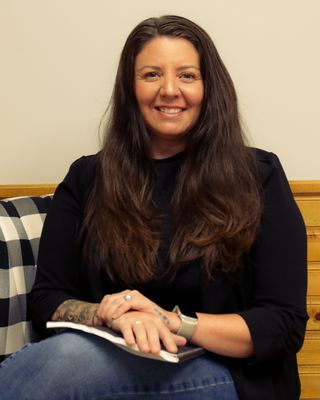
This support group is designed to provide a safe and compassionate space for adults who are providing care and support to loved ones with mental health challenges. Whether you have a child, parent, close friend or significant other that is struggling, this is a space that offers a supportive community where individuals can share their experiences, challenges, and successes in managing the complex responsibilities of caregiving. The group emphasizes emotional well-being and provides practical guidance for navigating the difficulties of caring for someone with mental health struggles.
This weekly group introduces members to all four modules of DBT skills through highly engaging activities and discussions. A foundational understanding and practice of Mindfulness Practical Distress Tolerance skills Effective Emotion Regulation strategies Interpersonal Effectiveness skills for healthier communication and relationships

This weekly group introduces members to all four modules of DBT skills through highly engaging activities and discussions. A foundational understanding and practice of Mindfulness Practical Distress Tolerance skills Effective Emotion Regulation strategies Interpersonal Effectiveness skills for healthier communication and relationships
Darwin Gillett, Licensed Independent Clinical Social Worker, will show participants ways to reduce negative emotions through discovering the body's subtle energies. EFT has been clinically effective in thousands of cases and proving dramatically successful in relieving fears and phobias, panic and anxiety, depression, allergies, and hundreds of physical symptoms. It often works where nothing else will.

Hosted by Darwin Gillett
Clinical Social Work/Therapist, LICSW, MSW
Group meets in Westford, MA 01886
Darwin Gillett, Licensed Independent Clinical Social Worker, will show participants ways to reduce negative emotions through discovering the body's subtle energies. EFT has been clinically effective in thousands of cases and proving dramatically successful in relieving fears and phobias, panic and anxiety, depression, allergies, and hundreds of physical symptoms. It often works where nothing else will.
DBT is an evidence-based therapy, proven to be effective in decreasing anxiety, depression, self harm behaviors, suicidality, and improving self esteem and healthy relationships. If your teen is struggling with any of the following, DBT can help: anger management, depression, anxiety/panic, self-harm, suicidal thoughts, excessive worrying, negative judgments of self, impulsivity, emotion regulation, attention problems, relationship problems (peers and family). For more information on fees and group schedules, please visit www.centerforfamilyempowerment.com for more information.

DBT is an evidence-based therapy, proven to be effective in decreasing anxiety, depression, self harm behaviors, suicidality, and improving self esteem and healthy relationships. If your teen is struggling with any of the following, DBT can help: anger management, depression, anxiety/panic, self-harm, suicidal thoughts, excessive worrying, negative judgments of self, impulsivity, emotion regulation, attention problems, relationship problems (peers and family). For more information on fees and group schedules, please visit www.centerforfamilyempowerment.com for more information.
An exploration of the transition from middle adulthood to the joy of wisdom. This will be an on-going therapy group for women in their fifty’s, sixty’s and older to co-create a safe and sacred place in which to share and reflect upon one’s place in the life spectrum. We will learn about the work of Erik Erikson with a focus on Erikson’s virtues of Caring and Wisdom. Cost for the group is $300.00 for the first 10 weeks and $30.00 per week thereafter. Please contact me at 617-824-0843 to register.

An exploration of the transition from middle adulthood to the joy of wisdom. This will be an on-going therapy group for women in their fifty’s, sixty’s and older to co-create a safe and sacred place in which to share and reflect upon one’s place in the life spectrum. We will learn about the work of Erik Erikson with a focus on Erikson’s virtues of Caring and Wisdom. Cost for the group is $300.00 for the first 10 weeks and $30.00 per week thereafter. Please contact me at 617-824-0843 to register.
When three or more people with panic disorder are willing to meet, we will learn about mindfulness and self-hypnosis. The group will practice relevant skills, log their home-based practice and outcomes, share and problem solve using group wisdom. The group will also use group time for audio-assisted practice and discussion.

Hosted by J R Casey Counseling & Hypnosis
Clinical Social Work/Therapist, LICSW, CCH
Group meets in Worcester, MA 01603
When three or more people with panic disorder are willing to meet, we will learn about mindfulness and self-hypnosis. The group will practice relevant skills, log their home-based practice and outcomes, share and problem solve using group wisdom. The group will also use group time for audio-assisted practice and discussion.
An online group for graduate students in social work, counseling and psychology programs. This group is an opportunity for members to experience therapy and come together during an uncertain and challenging time.

Hosted by Será Godfrey-Kaplan
Clinical Social Work/Therapist, LICSW
Group meets in Waltham, MA 02453
An online group for graduate students in social work, counseling and psychology programs. This group is an opportunity for members to experience therapy and come together during an uncertain and challenging time.
Liz Greene, LMHC is a certified Therapuetic Game Master and will be holding 13 sessions of Dungeons & Dragons (D&D) social skills group to give clients a safe space to explore and improve their emotional health — and have fun while doing it. The group will be integrating social skills and dungeons and dragons campaign. This would be an in person group with the option of telehealth if weather is an issue. Groups would be from 5p to 6:30p Tuesdays weekly. Some insurances accepted. Contact Liz for details. Tel: (508) 556-4405 or lgreene@SerenityCoachingCounseling.com
Hosted by Serenity Coaching and Counseling, LLC -
Counselor, LMHC, LICSW, LADAC, PsyD, LMFT
Group meets in Worcester, MA 01604
Liz Greene, LMHC is a certified Therapuetic Game Master and will be holding 13 sessions of Dungeons & Dragons (D&D) social skills group to give clients a safe space to explore and improve their emotional health — and have fun while doing it. The group will be integrating social skills and dungeons and dragons campaign. This would be an in person group with the option of telehealth if weather is an issue. Groups would be from 5p to 6:30p Tuesdays weekly. Some insurances accepted. Contact Liz for details. Tel: (508) 556-4405 or lgreene@SerenityCoachingCounseling.com
This group gently encourages healthy risk-taking behaviors (i.e., initiating conversations; self-advocacy; expanding one's social circle). Separate groups are available for people in their 20's, 30's, and 40's.

This group gently encourages healthy risk-taking behaviors (i.e., initiating conversations; self-advocacy; expanding one's social circle). Separate groups are available for people in their 20's, 30's, and 40's.
This VIRTUAL (MA, VT, ME) group is a supportive, compassionate, and confidential space for healthcare professionals—doctors, nurses, therapists, dietitians, and others—who are navigating eating disorder recovery. Here, members can openly process the unique challenges of recovery while working in the healthcare field, share experiences, and connect with others who truly understand. Our goal is to foster understanding, reduce isolation, and create a judgment-free environment where healing and community can coexist.

This VIRTUAL (MA, VT, ME) group is a supportive, compassionate, and confidential space for healthcare professionals—doctors, nurses, therapists, dietitians, and others—who are navigating eating disorder recovery. Here, members can openly process the unique challenges of recovery while working in the healthcare field, share experiences, and connect with others who truly understand. Our goal is to foster understanding, reduce isolation, and create a judgment-free environment where healing and community can coexist.
Academy MetroWest provides a wide range of groups for children aged 6 - 15. Groups meet weekly in a gymnasium setting and use cooperative, non-competitive physical activity as a means of helping children enhance social skills and self-image. Frequently encountered presenting problems include ADHD, Asperger's Disorder, Non-verbal Learning Disorder, Anxiety Disorder and others.

Academy MetroWest provides a wide range of groups for children aged 6 - 15. Groups meet weekly in a gymnasium setting and use cooperative, non-competitive physical activity as a means of helping children enhance social skills and self-image. Frequently encountered presenting problems include ADHD, Asperger's Disorder, Non-verbal Learning Disorder, Anxiety Disorder and others.
This group is geared towards women/AFAB people who are experiencing perimenopause/menopause, and would like to obtain more information about bodily changes as they relate to sex and sexuality. We will meet virtually, via Zoom on Monday nights for 6-8 sessions. This group is open to people in Massachusetts only.
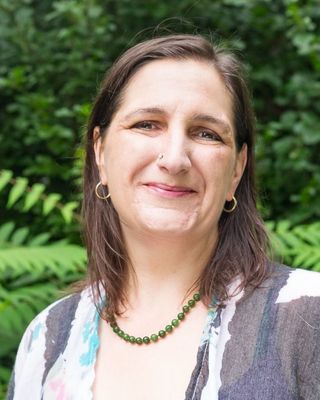
This group is geared towards women/AFAB people who are experiencing perimenopause/menopause, and would like to obtain more information about bodily changes as they relate to sex and sexuality. We will meet virtually, via Zoom on Monday nights for 6-8 sessions. This group is open to people in Massachusetts only.
The Families of Addiction Group helps participants understand how substance use disorders affect family systems, relationships, communication, and patterns of behavior. The group promotes healing by exploring healthy boundaries, codependency, trust, forgiveness, and effective communication while strengthening recovery-oriented relationships and support systems.

Hosted by Marcia Joan Amarsingh
Drug & Alcohol Counselor, LMHC, LADC- 1, LDP, CADC, MINT
Group meets in Worcester, MA 01608
The Families of Addiction Group helps participants understand how substance use disorders affect family systems, relationships, communication, and patterns of behavior. The group promotes healing by exploring healthy boundaries, codependency, trust, forgiveness, and effective communication while strengthening recovery-oriented relationships and support systems.
A small, in-person support group for first-time parents who feel overwhelmed, unsure, or like they are figuring it out alone. This group gives new parents a place for honest conversation, practical tools, and support during the adjustment into parenthood.

A small, in-person support group for first-time parents who feel overwhelmed, unsure, or like they are figuring it out alone. This group gives new parents a place for honest conversation, practical tools, and support during the adjustment into parenthood.
Feeling overwhelmed, stuck or frustrated? This 8 week skills based workshop is designed to help adolescents (ages 15-18) learn practical tools to handle life's challenges more effectively.

Feeling overwhelmed, stuck or frustrated? This 8 week skills based workshop is designed to help adolescents (ages 15-18) learn practical tools to handle life's challenges more effectively.
Join our Board Game Therapy Group for kids ages 7-18, designed to help those with social skills deficits! This engaging group combines the fun of board games with structured activities that promote teamwork, communication, and problem-solving. Under the guidance of a licensed clinical psychologist, participants will build confidence, improve social interactions, and develop essential skills in a supportive environment. It's a great opportunity to make friends while learning valuable strategies for navigating social situations. Don’t miss out on the fun—sign up today and watch your child thrive! For more info, email jjohnson@iasboston.com.
Join our Board Game Therapy Group for kids ages 7-18, designed to help those with social skills deficits! This engaging group combines the fun of board games with structured activities that promote teamwork, communication, and problem-solving. Under the guidance of a licensed clinical psychologist, participants will build confidence, improve social interactions, and develop essential skills in a supportive environment. It's a great opportunity to make friends while learning valuable strategies for navigating social situations. Don’t miss out on the fun—sign up today and watch your child thrive! For more info, email jjohnson@iasboston.com.
Our identities are often caught up with work and parenting roles. At midlife or later, those roles change, some by choice, some involuntarily. This group addresses questions which surface when considering or trying out a time of scaled back demands. Who am I apart from my job? Is it ok to step back? What brings meaning? What are the implications for my relationships? What do I actually want? How do I make the changes I'm wishing for? This group addresses challenges and opportunities that arise as one clears space to create a satisfying midlife or later life experience.

Hosted by Janet Strassman Perlmutter
Clinical Social Work/Therapist, LICSW
Group meets in Stow, MA 01775
Our identities are often caught up with work and parenting roles. At midlife or later, those roles change, some by choice, some involuntarily. This group addresses questions which surface when considering or trying out a time of scaled back demands. Who am I apart from my job? Is it ok to step back? What brings meaning? What are the implications for my relationships? What do I actually want? How do I make the changes I'm wishing for? This group addresses challenges and opportunities that arise as one clears space to create a satisfying midlife or later life experience.
Supportive Parenting for Anxious Childhood Emotions

Supportive Parenting for Anxious Childhood Emotions
Women with breast cancer can experience physical and emotional changes that impact many areas of their lives and relationships. That impact may not end when treatment does. Many women face breast cancer as a life-long and ongoing experience. Dr. Megan Brault, a breast cancer-survivor herself, facilitates this support group focused on the female experience from diagnosis, to treatment, to survivor/thriver-ship.

Women with breast cancer can experience physical and emotional changes that impact many areas of their lives and relationships. That impact may not end when treatment does. Many women face breast cancer as a life-long and ongoing experience. Dr. Megan Brault, a breast cancer-survivor herself, facilitates this support group focused on the female experience from diagnosis, to treatment, to survivor/thriver-ship.
See more therapy options for 01601


FAQs - About Group Therapy and Support Groups
How can I find a support group in 01601?
To find a support group in your area, start by entering your city, zip code, or the name of the group into the search bar at the top of the page. When searching, consider whether you prefer an in-person or virtual group. This can help you decide how broad your geographic search should be. If you are open to virtual groups, you might want to search by state instead of just your city, especially if there are limited options nearby.
Once you complete your search, you can use the filters to narrow the results by selecting specialties (such as grief, trauma, or eating disorders), therapeutic approaches, age groups, and other criteria to find a group that best fits your needs.
How does group therapy work?
Group therapy is led by one or more trained therapists and provides a space where participants can process their experiences and learn from others facing similar challenges. Groups may focus on a specific issue—such as addiction, grief, physical illnesses, parenting, or caregiving—or they may center around a particular therapeutic approach, such as Cognitive Behavioral Therapy (CBT), social skill development, or Exposure Therapy. Some groups are also designed for specific populations, such as teens, veterans, or LGBTQ+ individuals.
It’s also important to distinguish group therapy from peer-led support groups, like Alcoholics Anonymous. While both can offer valuable support, therapy groups are typically led by licensed professionals and follow a more structured format. Therapy groups often meet for a fixed length of time with a consistent group of members, while many peer support groups meet for an indefinite period of time with members coming and going.
What are the benefits of group therapy?
Group therapy offers several important benefits. It brings together people facing similar challenges—whether related to mental health, physical health, or life transitions—and creates a supportive environment where participants can exchange feedback, share experiences, and learn from one another. Hearing different perspectives can help individuals discover new coping strategies and practical tools they may not have encountered on their own. Sharing personal experiences, such as coping with a serious illness or navigating family struggles, can also reduce feelings of isolation and foster a sense of connection and understanding. In addition to emotional support, group members often gain useful, real-world advice from peers who have faced similar situations.
Group therapy is typically more affordable than individual therapy and, for certain conditions, can be equally effective. Many groups also include structured activities—such as guided journaling, cognitive-behavioral exercises, or role-playing—to help participants develop concrete skills they can apply in daily life.
Is group therapy as effective as individual therapy?
It is difficult to make a blanket statement about the effectiveness of support groups, as they vary widely in focus and the conditions they address. However, support groups can be highly valuable in helping individuals gain emotional support and achieve meaningful treatment outcomes. For certain conditions, such as substance use, research has shown that group therapy can be particularly effective—sometimes just as effective as individual therapy—in supporting long-term recovery.
Many professionals attribute the effectiveness of group therapy to the unique benefits of the group setting, which fosters peer-to-peer learning and a sense of connection through shared experiences. Group settings also offer accountability and encouragement from both facilitators and fellow participants, which helps sustain motivation and supports continued progress. These factors together play a key role in promoting the overall effectiveness of group therapy.
How much does group therapy cost?
Group therapy is typically less expensive than individual therapy, with sessions typically costing between $50 and $75 each. In comparison, individual therapy can cost anywhere from $100 to $200 or more per session, even with insurance. Some therapists or organizations offer low-cost or free group therapy options, particularly through community centers or nonprofit organizations. In some cases, groups may require payment upfront for a set number of sessions, such as paying for six weekly sessions at the first meeting. However, many providers offer payment plans to help make participation more accessible if this upfront payment is required.
Does insurance cover group therapy?
As with individual therapy, insurance coverage for group therapy varies based on factors such as your specific insurance plan, the purpose of the group, your diagnosis, and whether the group provider is in-network. Many insurance plans cover group therapy sessions that address diagnosable mental health conditions, such as substance use disorders, anxiety, or depression.
However, groups that focus on topics not directly tied to a mental health diagnosis—such as parenting support or divorce recovery—are less likely to be covered. Because coverage can vary widely, it’s important to check with your insurance provider before joining a group to confirm whether the sessions will be covered and what out-of-pocket costs you may be responsible for.
How long does group therapy last?
The length of each group therapy session typically ranges from 45 minutes to two hours, depending on the therapy approach, the group’s goals, and how often the group meets. In some cases, group therapy is part of a larger treatment program, such as an Intensive Outpatient Program (IOP), where group sessions complement individual therapy and are scheduled as part of the program’s overall structure.
The duration of participation in a group also varies. Some groups are designed to be short-term, lasting anywhere from 6 to 24 weeks—for example, bereavement groups or skills-based groups like those using Dialectical Behavioral Therapy (DBT). Other groups may be longer-term, lasting a year or more, and some ongoing support groups meet indefinitely, allowing participants to stay as long as they find the group helpful.
What are the limitations of support groups?
Support groups offer many benefits, but they also have certain limitations. Unlike therapy groups, many support groups do not provide formal therapeutic treatment and are not led by licensed mental health professionals. For individuals seeking clinical treatment for specific mental health diagnoses—such as depression, eating disorders, or substance use—individual therapy or group therapy led by a licensed professional may offer more personalized and specialized care.
The effectiveness of a support group also depends heavily on the group’s participants and the overall group dynamic. When members engage respectfully and offer constructive support, the group can foster valuable peer-to-peer learning. However, if certain participants dominate discussions, provide inaccurate advice, or create conflict, it can disrupt the group’s sense of safety and reduce its effectiveness. Confidentiality can also be harder to maintain in support groups, particularly in open groups where participants can join or leave at any time. With new members regularly entering the group, it can be more difficult to build and sustain a consistent sense of trust and privacy.