
Emotions
The Strength in Vulnerability for Men
Why modern men face a quiet struggle to fit in and what to do about it.
Posted September 1, 2025 Reviewed by Michelle Quirk


Key points
- Men face cultural pressure to hide vulnerability, even when openness could deepen connection.
- Some women still react negatively when men show emotion, reinforcing the “man up” paradox.
- Vulnerability is a muscle that makes life’s hardest and richest moments more meaningful.
Rising from my seat at the front table, a familiar acid burn crawls up my throat. It’s that failure lump I’ve carried for the past 16 months. Today is somber. My late wife Jane's celebration of life. She died just over a month ago after a 15‑month battle with leukemia.
More than 250 friends and family members fill the room, waiting for me to deliver her eulogy. With support from my friend Danny, I decided to open with a funny story—something I never would’ve thought of on my own. The air is thick with love and grief, every surface saturated with memory and support.
On the toughest day of my life to date, I stand and begin.
Why Vulnerability Feels So Risky for Men
Traditional masculinity often frames emotional openness as weakness. Vulnerability—expressing grief, fear, or doubt—is acceptable only in rare, dramatic moments: a eulogy, the birth of a child, a national tragedy.
It’s a potent reminder of our humanity—yet, for many men, it still feels like stepping onto thin ice that’s slowly cracking.
When “Open Up” Becomes a Trap
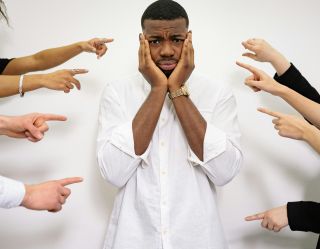
You often hear that “women say they want a man who opens up.” But for many men, the reality feels different.
In a 2024 post, psychologist Avrum Weiss explains that men are socialized to suppress “compassion, empathy, nurturance, tenderness, vulnerability, and intimacy” because these traits are coded as feminine. The result, Weiss argues, is that when men dare to be vulnerable, they risk being perceived as less masculine—sometimes even shamed for it.
In a poignant Medium reflection, Jessica Gold writes:
“It is true that some women will criticize a man for talking openly and honestly… If we’re unconsciously running those old stories—that ‘real men’ must be invulnerable and show no emotions besides anger… then we act them out.”
These insights don’t suggest all women react this way—but they do shine a light on why many men feel shut down when they try to be emotionally open.
Society Rewards the Tough, Punishes the Tender
This isn’t just interpersonal—it's cultural. Men are repeatedly told to be strong, self-reliant, and stoic. Emotion, especially grief or doubt, can feel like a betrayal of one’s masculinity.
One recent article in Adelaide Now observes a growing confusion among men and boys today:
“Men are being encouraged to be vulnerable, yet in some settings, vulnerability is still perceived as weakness… Men are still conditioned to suppress their feelings…”
This tension, between changing expectations and lingering norms, creates a deep emotional dissonance.
Young Men Crave Real, Open Role Models
Interestingly, younger men are bucking this trend.
A 2025 study by the National Research Group finds nearly half of young men (ages 13–30) want emotionally vulnerable role models—not just stoic heroes. TV shows like "Baby Reindeer" and "The Bear," which portray men sharing emotional struggles, resonate deeply.
This shift signals hope: Vulnerability, when authentic, is increasingly valued, especially among the next generation.
A Safer Space: Male Bonds and Bro-Spheres
For many men, real vulnerability is hardest with partners or public audiences—but it can take root in trusted friendships.
The rise of "bro-podcasts" featuring athletes, comedians, and everyday men talking candidly is a cultural turning point. Shows like "Bad Friends" (Andrew Santino and Bobby Lee riffing with brutal honesty), "Dos Amigos" (Wilmer Valderrama and Freddy Rodriguez blending humor and reflection), and "The Vulnerable Man" (Christopher Veal’s mission to destigmatize men’s emotional openness) illustrate how different corners of male culture are opening space for real talk and real vulnerability.
These bro-spheres offer humor, honesty, and empathy. They are safe places to flex emotional muscles without fear of judgment. Friends who roast you but still listen create bonds that can make emotional practice feel safer.
Gradually Building Toward Partner Vulnerability
Once you've practiced vulnerability with trusted male friends, it becomes a bit easier to bring it into your relationship.


Emotionally sharing with a partner, from a place of strength, not desperation, feels less scary when it's already part of your routine.
It’s building this “vulnerability muscle” that I feel is what men need to do and be supported by partners who might also be uncomfortable with it.
Vulnerable on the Toughest Day
Standing before that crowd at Jane’s Celebration of Life, I did what many men only allow in private: I showed real emotion. But I didn’t collapse. I made it about her life—not my grief. That moment was liberating. It made the day easier, and later, the moments of deeper, shared sorrow felt more possible.
That emotional labor was worth it. Vulnerability didn’t weaken me—it grounded me. It reminded me, and those around me, that there is no shame in being deeply human. And it taught me that practicing vulnerability, like any muscle, makes life’s hardest and most beautiful experiences richer, more connected, and more meaningful.