
Creativity
Creativity: The Missing Piece in the Journey of Grief
Being creative reminds us that there is more to us than the pain we endure.
Posted September 24, 2024 Reviewed by Gary Drevitch


Key points
- Creativity bridges intellect and emotion, making the invisible visible, and bringing hope to despair.
- Creativity nurtures connection, allowing us to express and process emotions in transformative ways.
- Creativity is a path to healing, offering solutions for grief and inspiring personal and collective growth.
An artist has the gift of taking something as simple as a view of the ocean or the night sky—things we all see—and transforming it into something profound by combining what they observe with their emotional experience. Creativity weaves the intellect and heart together and helps us grasp what makes the invisible visible and bring hope to despair, beauty to ashes. Creativity brings things into the world that would not have otherwise existed and has the potential to move us to a state of wonder. Wonder invites us to be surprised by the mystery of the world with its beauty, even when the events happening around us may seem anything but beautiful. Wonder leaves us feeling more connected rather than alone.
Creativity allows us to experience a full range of emotions by providing a safe and new way to experience uncomfortable emotions that can bring healing and transformation.
Remember When
A NASA study found that 98% of 5-year-olds could be judged creative geniuses, but this percentage declines as we age. Picasso rightly said, “Every child is an artist,” but as adults, we often forget that we are also masterpieces. Masterpiece comes from the word Greek word Poiema, meaning “workmanship,” which suggests we are at our best when we are creating good works. The creative adult has been called “the child who survived" by Ursula LeGuin, yet we are also made to thrive, not just survive, and perhaps creativity is the key to unlocking that potential. Yet, if we get quiet enough; if the world gets quiet enough, we might be able to hear the whispers of our true self and become more like ourselves instead of more like everyone else.
Your creative drawings, photographs, pasta creations, dance, novel, or song gives voice to your unspoken feelings and thoughts that become a masterpiece. The mission of creation is always one of restoration and redemption. It’s not just about creating art or new ideas; it’s about envisioning new solutions to old problems, thinking outside the box, and daring to dream of a better future. Desmond Tutu reminded us of the power of our creativity: “The power of our dreams and the creativity we employ can break the chains of injustice and oppression.”
Whether it's an artist using their work to shed light on societal issues, a scientist addressing environmental challenges creatively, or a community leader innovating ways to uplift their neighborhood, creativity is at the heart of making a positive difference. Some of the world’s most significant advancements and impactful initiatives have come from those who dared to think creatively: artists, innovators, and thinkers.
If we don’t create something new where there was once despair, we run the risk of remaining stuck. Could creativity be the missing piece of our grief cycle?
Time Alone Nurtures Creativity
Being alone often nurtures creativity, though it takes time to become comfortable with yourself. Rumination can be detrimental to our mental health but the benefits of dreaming and creating most often occur when we are alone in a space conducive to creativity. Many great composers, authors, and artists found inspiration in solitude; what good can you make of your time alone, maybe while driving to work? Making the most of time set apart from loved ones can be a time to create and enjoy.
Supporting Research on Creativity and Resilience
Research consistently reveals a pattern of challenge, risk, vulnerability, and struggle, leading to growth and connection. The creative process mirrors these patterns of resilience and aligns with the narrative arc of stories. Brené Brown’s research identifies three stages in the resilience process: reckoning, rumble, and revolution. Similarly, Joseph Campbell’s hero’s journey consists of departure, initiation, and return. Factors such as risk, vulnerability, and struggle using the arts have been shown to lead to empathy, growth, and connection.
Reclaiming Control Through Creativity
Engaging in creative activities allows us to reclaim control over our lives. When we create, we make choices; this is especially empowering for those who feel helpless due to adversity. The act of creating something beautiful or meaningful restores a sense of agency and self-efficacy. Studies show that trauma survivors involved in community arts programs experience significant reductions in anxiety, depression, and stress.
Inspiring Others Through Creative Expression
Art has the power to evoke wonder and awe in others. By sharing our creative works, we invite others into our emotional world, fostering empathy and connection. This shared experience can be healing not only for the creator but for the audience, as it validates their own emotions and experiences. For instance, music therapy has been found to activate sensory processing regions in the brain, helping PTSD survivors process trauma.
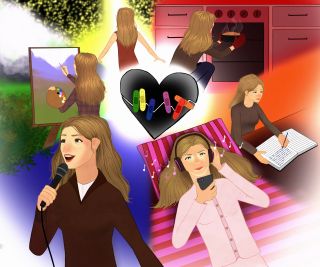
Creativity as a Path to Healing
Creativity allows us to hold and experience emotions we might otherwise avoid. It offers a way to process grief, anger, and fear, turning these emotions into something tangible and manageable. By engaging in creative activities, we can find new ways to cope and heal, bringing hope where there was once despair.


Creativity and Personal Transformation
Through art, we realize there is more to us than the pain we endure. It is often in the darkness that we discover the brightest light. Restoring beauty to a broken world may be as simple as using our creative urge to reclaim what once was. What emotion do you find hard to express? Keep searching for what you have been looking for but remember it will be in the still small voice, not in the distractions of the world. Whether it's the wonder of a starry sky or the scent of a spring bloom, pause to embrace the emotions it stirs within you. Let those feelings shape a masterpiece, and allow the transformation to inspire both you and those around you.
References
Corriero, A., Giglio, M., Soloperto, R., Varrassi, G., & Puntillo, F. (2024). Harnessing the healing power of creativity: exploring the role of art in healthcare through art, dance, and music therapy. Advancements in Health Research, 1(1). https://doi.org/10.4081/ahr.2024.17
Gerhardt, T., & Puchkov, R. (2023). Preparing for the Future: understanding collective grief through the lens of the Kubler-Ross crisis cycle. Higher Education, Skills and Work-Based Learning, 13(5), 983-1008. http://doi.org/10.1108/HESWBL-12-2022-0289
Stasko, E. (2023). The creative link: Creativity, resilience, connection and story (Order No. 30493335). Available from ProQuest Dissertations & Theses Global. (2832234677). Retrieved from https://www.proquest.com/dissertations-theses/creative-link-creativity-…