Support Groups in RH12
Counselling, psychotherapy and coaching in Horsham, Brighton and online with a variety of modalities.
Counselling, psychotherapy and coaching in Horsham, Brighton and online with a variety of modalities.
More Groups Nearby
Often, we may feel isolated with our problems, believing that no one truly understands what we’re going through. One of the greatest advantages of group therapy is the sense of connection it fosters, bringing together people who face similar challenges. Realizing that we’re not alone, and that we can also provide support to others, can be deeply comforting and empowering. Other key benefits of group therapy include: • Peer feedback and encouragement • Learning healthier coping strategies • Expressing feelings more clearly • Developing effective communication skills • Receiving emotional support • Offering support to others

Often, we may feel isolated with our problems, believing that no one truly understands what we’re going through. One of the greatest advantages of group therapy is the sense of connection it fosters, bringing together people who face similar challenges. Realizing that we’re not alone, and that we can also provide support to others, can be deeply comforting and empowering. Other key benefits of group therapy include: • Peer feedback and encouragement • Learning healthier coping strategies • Expressing feelings more clearly • Developing effective communication skills • Receiving emotional support • Offering support to others
Relationship issues between Partners etc

Relationship issues between Partners etc
The group is suitable for people who want to improve the way they communicate with others and recognise why they may be communicating or reacting in certain ways with particular people. Finding new ways of expressing yourself, without creating conflict. suitable for all types of relationship issues, personal. marriage, family, work related or neighbours

The group is suitable for people who want to improve the way they communicate with others and recognise why they may be communicating or reacting in certain ways with particular people. Finding new ways of expressing yourself, without creating conflict. suitable for all types of relationship issues, personal. marriage, family, work related or neighbours
We are a group of 3 psychotherapists/ counsellors living and working in London, who set up a practice together called Teenmatters, offering specialist support to those at the beginning, middle and end of adolescence (which extends to the mid 20s) as well as to parents supporting their children through this period of transition. We set up our practice specialising in this demographic as were aware of the challenges and distress faced by many children, teenagers and their parents (such as family breakdown, school pressures, social media and relationship challenges) but also aware of the lack of provision locally.
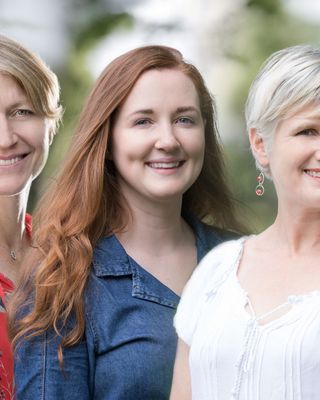
We are a group of 3 psychotherapists/ counsellors living and working in London, who set up a practice together called Teenmatters, offering specialist support to those at the beginning, middle and end of adolescence (which extends to the mid 20s) as well as to parents supporting their children through this period of transition. We set up our practice specialising in this demographic as were aware of the challenges and distress faced by many children, teenagers and their parents (such as family breakdown, school pressures, social media and relationship challenges) but also aware of the lack of provision locally.
I am a qualified Clinical Supervisor and I offer Clinical Supervision to qualified counsellors, student counsellors and health care professionals, both individually and in groups. Groups are usually with 4-6 supervisees and can be arranged by individually and by groups, companies and employers.

I am a qualified Clinical Supervisor and I offer Clinical Supervision to qualified counsellors, student counsellors and health care professionals, both individually and in groups. Groups are usually with 4-6 supervisees and can be arranged by individually and by groups, companies and employers.
Brainwaves Workshops offer therapeutic and psycho-educational groups to children and young people on a variety of mental health and wellbeing topics. We also deliver teaching and training to schools and other institutions. Please contact for details - BrainwavesWorkshops@gmail.com
Hosted by Chichester Child Psychology
Psychologist, PsychD, HCPC - Clin. Psych.
Group meets in Chichester PO19
Brainwaves Workshops offer therapeutic and psycho-educational groups to children and young people on a variety of mental health and wellbeing topics. We also deliver teaching and training to schools and other institutions. Please contact for details - BrainwavesWorkshops@gmail.com
Group Size: 6+. Cost: £20. Duration: 1.5 hours. Format: Share; Theory; Share. This is a safe, non-judgmental online space for men who want to stop or drastically reduce their use of pornography and reclaim control over their lives. A space to share your experiences and challenges and gain support from the realisation that you are not alone in your struggle.

Group Size: 6+. Cost: £20. Duration: 1.5 hours. Format: Share; Theory; Share. This is a safe, non-judgmental online space for men who want to stop or drastically reduce their use of pornography and reclaim control over their lives. A space to share your experiences and challenges and gain support from the realisation that you are not alone in your struggle.
This 75-minute-long session takes place weekly with a maximum of 8 participants and 1 facilitator. Here we will delve deeper into living a life in recovery, and how to sustain and expand your recovery journey so that you continue to grow and flourish. The work with group dynamics will continue and new behaviours that facilitate further healing will continue to be encouraged, alongside an exploration of recovery-based themes such as spirituality and creativity.

This 75-minute-long session takes place weekly with a maximum of 8 participants and 1 facilitator. Here we will delve deeper into living a life in recovery, and how to sustain and expand your recovery journey so that you continue to grow and flourish. The work with group dynamics will continue and new behaviours that facilitate further healing will continue to be encouraged, alongside an exploration of recovery-based themes such as spirituality and creativity.
Why do actions arise from motivation but are still welcomed with frustration? The self-preservation instinct becomes an inner purpose for the unconscious and only a grounded self can face the challenge. It is well known that accomplishment should be an opportunity for self-fulfillment. Yet you rarely expect positive things to come. The future only seems uncertain, because of all the distracting thoughts you are trying to keep in order. It's difficult to focus, prioritise and commit to something meaningful while struggling to achieve control over your life. This is not the scenario you wish to follow.

Why do actions arise from motivation but are still welcomed with frustration? The self-preservation instinct becomes an inner purpose for the unconscious and only a grounded self can face the challenge. It is well known that accomplishment should be an opportunity for self-fulfillment. Yet you rarely expect positive things to come. The future only seems uncertain, because of all the distracting thoughts you are trying to keep in order. It's difficult to focus, prioritise and commit to something meaningful while struggling to achieve control over your life. This is not the scenario you wish to follow.
Come along to a safe, supportive space held by experienced facilitators and connect with other people who have a shared understanding of some of the difficulties you are experiencing. A different aspect of the grieving process is discussed each week, resources and strategies that may help to support you are offered. People are welcome to share as much or as little as they wish and often find resonating with the experience of others is powerful and normalises their experience. The group runs for 6 weeks.and there are follow up monthly drop-ins for anyone who would like to attend.

Hosted by Caroline Mills, Sussex Bereavement Services
Counsellor, MSc, MBACP
Group meets in Lewes BN8
Come along to a safe, supportive space held by experienced facilitators and connect with other people who have a shared understanding of some of the difficulties you are experiencing. A different aspect of the grieving process is discussed each week, resources and strategies that may help to support you are offered. People are welcome to share as much or as little as they wish and often find resonating with the experience of others is powerful and normalises their experience. The group runs for 6 weeks.and there are follow up monthly drop-ins for anyone who would like to attend.
In my clinic (HN Psychology), we offer a 6 week group focusing on strategies to manage cognitive difficulties (i.e. thinking skills) that may have occurred due to brain injury or neurological illness. Group structure varies depending on the participants that attend and what they would like to focus on. The below is a rough guide however of general structure: Session 1: Cognitive difficulties and goal setting Session 2: Attention and Memory Session 3: Planning and Organisation Session 4: Fatigue Session 5: Use of technology Session 6: Looking forwards

In my clinic (HN Psychology), we offer a 6 week group focusing on strategies to manage cognitive difficulties (i.e. thinking skills) that may have occurred due to brain injury or neurological illness. Group structure varies depending on the participants that attend and what they would like to focus on. The below is a rough guide however of general structure: Session 1: Cognitive difficulties and goal setting Session 2: Attention and Memory Session 3: Planning and Organisation Session 4: Fatigue Session 5: Use of technology Session 6: Looking forwards
This is a small, longer-term therapy group for men and women of all ages. Over time, members develop a deep sense of trust in each other, which supports them in working on whatever is most difficult in their lives: personal relationships, family relationships, work relationships, lack of confidence, feeling anxious or depressed, past traumas, lacking a sense of purpose or direction in life, and so on. There is no fixed topic or agenda for each meeting, instead we focus on whatever is important to the members at the time.

This is a small, longer-term therapy group for men and women of all ages. Over time, members develop a deep sense of trust in each other, which supports them in working on whatever is most difficult in their lives: personal relationships, family relationships, work relationships, lack of confidence, feeling anxious or depressed, past traumas, lacking a sense of purpose or direction in life, and so on. There is no fixed topic or agenda for each meeting, instead we focus on whatever is important to the members at the time.
Understanding Trauma : Are you feeling overwhelmed, anxious, experiencing low moods. This group will give a clear understanding of trauma and PTSD, an insight into common trauma responses, Grounding techniques for every day use, tools for managing stress and flashbacks, a gentle, non-judgemental learning space.
Understanding Trauma : Are you feeling overwhelmed, anxious, experiencing low moods. This group will give a clear understanding of trauma and PTSD, an insight into common trauma responses, Grounding techniques for every day use, tools for managing stress and flashbacks, a gentle, non-judgemental learning space.
This group is for everyday woman and men that need some psychological support. The group is for two hours and £80 per person. The minimum amount of people is usually 10.

Hosted by Dr Farah Nadeem
Psychologist, DCounsPsych, HCPC - Couns. Psych.
Group meets in London SW20
This group is for everyday woman and men that need some psychological support. The group is for two hours and £80 per person. The minimum amount of people is usually 10.
This is a hour and half group where a group bond together to work through self-esteem issues, We meet fortnightly, for 12 weeks during a time where all ten members of the group can meet.
Hosted by Dr Farah Nadeem
Psychologist, DCounsPsych, HCPC - Couns. Psych.
Group meets in London SW15
This is a hour and half group where a group bond together to work through self-esteem issues, We meet fortnightly, for 12 weeks during a time where all ten members of the group can meet.
I run a group for people supporting each other through similar experiences, and to give validation and to be able to understand with empathy what others have gone through as a trauma suffererer.

I run a group for people supporting each other through similar experiences, and to give validation and to be able to understand with empathy what others have gone through as a trauma suffererer.
This is the biggest shake up in workplaces we have experienced in our life time. I have launched a membership platform for companies to help with this. Linking up with affiliate companies I can offer a bespoke workplace wellbeing solution to your company. Staff will have access to tools for self help around well-being, free monthly challenges, webinars around key themes like preventing burnout, how to make time in your week for what matters, how to stop overthinking and re-frame thoughts from negative to positive, how to improve sleep to name just a few.

This is the biggest shake up in workplaces we have experienced in our life time. I have launched a membership platform for companies to help with this. Linking up with affiliate companies I can offer a bespoke workplace wellbeing solution to your company. Staff will have access to tools for self help around well-being, free monthly challenges, webinars around key themes like preventing burnout, how to make time in your week for what matters, how to stop overthinking and re-frame thoughts from negative to positive, how to improve sleep to name just a few.
2026 Workshop Dates: Saturday January 17th - Guildford, Surrey. Saturday February 14th - Guildford, Surrey. With Giselle Monbiot Saturday March 28th - Guildford, Surrey. Saturday May 9th - Guildford, Surrey. With Giselle Monbiot Friday July 17th - Guildford, Surrey. Friday October 23rd - Guildford, Surrey. Saturday December 5th - Guildford, Surrey.
2026 Workshop Dates: Saturday January 17th - Guildford, Surrey. Saturday February 14th - Guildford, Surrey. With Giselle Monbiot Saturday March 28th - Guildford, Surrey. Saturday May 9th - Guildford, Surrey. With Giselle Monbiot Friday July 17th - Guildford, Surrey. Friday October 23rd - Guildford, Surrey. Saturday December 5th - Guildford, Surrey.
The initial sessions of the group is focused on creating safety for all participants and building group connection. We will address some key issues survivors may struggle with and participants will be offered tools to support their recovery at their own pace and look at ways to develop healthy coping strategies that will support them in the longer term. These closed groups of 6 participants are not 'drop-in' as they follow a structured sequence so it's important you can commit to attending all twelve sessions.

The initial sessions of the group is focused on creating safety for all participants and building group connection. We will address some key issues survivors may struggle with and participants will be offered tools to support their recovery at their own pace and look at ways to develop healthy coping strategies that will support them in the longer term. These closed groups of 6 participants are not 'drop-in' as they follow a structured sequence so it's important you can commit to attending all twelve sessions.
See more therapy options for RH12

FAQs - About Group Therapy and Support Groups
How can I find a support group in RH12?
To find a support group in your area, start by entering your city, postcode, or the name of the group into the search bar at the top of the page. When searching, consider whether you prefer an in-person or virtual group. This can help you decide how broad your geographic search should be. If you are open to virtual groups, you might want to search by state instead of just your city, especially if there are limited options nearby.
Once you complete your search, you can use the filters to narrow the results by selecting specialties (such as grief, trauma, or eating disorders), therapeutic approaches, age groups, and other criteria to find a group that best fits your needs.
Once you complete your search, you can use the filters to narrow the results by selecting specialties (such as grief, trauma, or eating disorders), therapeutic approaches, age groups, and other criteria to find a group that best fits your needs.
How does group therapy work?
Group therapy is led by one or more trained therapists and provides a space where participants can process their experiences and learn from others facing similar challenges. Groups may focus on a specific issue—such as addiction, grief, physical illnesses, parenting, or caregiving—or they may center around a particular therapeutic approach, such as Cognitive Behavioural Therapy (CBT), social skill development, or Exposure Therapy. Some groups are also designed for specific populations, such as teens, veterans, or LGBTQ+ individuals.
It’s also important to distinguish group therapy from peer-led support groups, like Alcoholics Anonymous. While both can offer valuable support, therapy groups are typically led by licensed professionals and follow a more structured format. Therapy groups often meet for a fixed length of time with a consistent group of members, while many peer support groups meet for an indefinite period of time with members coming and going.
It’s also important to distinguish group therapy from peer-led support groups, like Alcoholics Anonymous. While both can offer valuable support, therapy groups are typically led by licensed professionals and follow a more structured format. Therapy groups often meet for a fixed length of time with a consistent group of members, while many peer support groups meet for an indefinite period of time with members coming and going.
What are the benefits of group therapy?
Group therapy offers several important benefits. It brings together people facing similar challenges—whether related to mental health, physical health, or life transitions—and creates a supportive environment where participants can exchange feedback, share experiences, and learn from one another. Hearing different perspectives can help individuals discover new coping strategies and practical tools they may not have encountered on their own. Sharing personal experiences, such as coping with a serious illness or navigating family struggles, can also reduce feelings of isolation and foster a sense of connection and understanding. In addition to emotional support, group members often gain useful, real-world advice from peers who have faced similar situations.
Group therapy is typically more affordable than individual therapy and, for certain conditions, can be equally effective. Many groups also include structured activities—such as guided journaling, cognitive-behavioural exercises, or role-playing—to help participants develop concrete skills they can apply in daily life.
Group therapy is typically more affordable than individual therapy and, for certain conditions, can be equally effective. Many groups also include structured activities—such as guided journaling, cognitive-behavioural exercises, or role-playing—to help participants develop concrete skills they can apply in daily life.
Is group therapy as effective as individual therapy?
It is difficult to make a blanket statement about the effectiveness of support groups, as they vary widely in focus and the conditions they address. However, support groups can be highly valuable in helping individuals gain emotional support and achieve meaningful treatment outcomes. For certain conditions, such as substance use, research has shown that group therapy can be particularly effective—sometimes just as effective as individual therapy—in supporting long-term recovery.
Many professionals attribute the effectiveness of group therapy to the unique benefits of the group setting, which fosters peer-to-peer learning and a sense of connection through shared experiences. Group settings also offer accountability and encouragement from both facilitators and fellow participants, which helps sustain motivation and supports continued progress. These factors together play a key role in promoting the overall effectiveness of group therapy.
Many professionals attribute the effectiveness of group therapy to the unique benefits of the group setting, which fosters peer-to-peer learning and a sense of connection through shared experiences. Group settings also offer accountability and encouragement from both facilitators and fellow participants, which helps sustain motivation and supports continued progress. These factors together play a key role in promoting the overall effectiveness of group therapy.
How much does group therapy cost?
Group therapy is typically less expensive than individual therapy, with sessions typically costing between £45 to £60 each. In comparison, individual therapy can cost anywhere from £60 to £150 or more per session, even with insurance. Some therapists or organizations offer low-cost or free group therapy options, particularly through community centers or non-profit organizations. In some cases, groups may require payment upfront for a set number of sessions, such as paying for six weekly sessions at the first meeting. However, many providers offer payment plans to help make participation more accessible if this upfront payment is required.
Does insurance cover group therapy?
If you have private insurance, your plan may cover some if not all of your group therapy sessions. You should contact your insurance provider to determine if they provide coverage for group therapy sessions and to determine what, if any, requirements they might have in order for your sessions to be covered, such as a referral from your GP or medical specialist.
How long does group therapy last?
The length of each group therapy session typically ranges from 45 minutes to two hours, depending on the therapy approach, the group’s goals, and how often the group meets. In some cases, group therapy is part of a larger treatment program, such as an Intensive Outpatient Program (IOP), where group sessions complement individual therapy and are scheduled as part of the program’s overall structure.
The duration of participation in a group also varies. Some groups are designed to be short-term, lasting anywhere from 6 to 24 weeks—for example, bereavement groups or skills-based groups like those using Dialectical Behavioural Therapy (DBT). Other groups may be longer-term, lasting a year or more, and some ongoing support groups meet indefinitely, allowing participants to stay as long as they find the group helpful.
The duration of participation in a group also varies. Some groups are designed to be short-term, lasting anywhere from 6 to 24 weeks—for example, bereavement groups or skills-based groups like those using Dialectical Behavioural Therapy (DBT). Other groups may be longer-term, lasting a year or more, and some ongoing support groups meet indefinitely, allowing participants to stay as long as they find the group helpful.
What are the limitations of support groups?
Support groups offer many benefits, but they also have certain limitations. Unlike therapy groups, many support groups do not provide formal therapeutic treatment and are not led by licensed mental health professionals. For individuals seeking clinical treatment for specific mental health diagnoses—such as depression, eating disorders, or substance use—individual therapy or group therapy led by a licensed professional may offer more personalised and specialised care.
The effectiveness of a support group also depends heavily on the group’s participants and the overall group dynamic. When members engage respectfully and offer constructive support, the group can foster valuable peer-to-peer learning. However, if certain participants dominate discussions, provide inaccurate advice, or create conflict, it can disrupt the group’s sense of safety and reduce its effectiveness. Confidentiality can also be harder to maintain in support groups, particularly in open groups where participants can join or leave at any time. With new members regularly entering the group, it can be more difficult to build and sustain a consistent sense of trust and privacy.
The effectiveness of a support group also depends heavily on the group’s participants and the overall group dynamic. When members engage respectfully and offer constructive support, the group can foster valuable peer-to-peer learning. However, if certain participants dominate discussions, provide inaccurate advice, or create conflict, it can disrupt the group’s sense of safety and reduce its effectiveness. Confidentiality can also be harder to maintain in support groups, particularly in open groups where participants can join or leave at any time. With new members regularly entering the group, it can be more difficult to build and sustain a consistent sense of trust and privacy.