Support Groups in Weston-super-Mare
Women partners of sex addicts are frequently overlooked when it comes to treatment regimes – which typically focus on the man. Here is an introductory, highly confidential workshop for women ONLY to consider just some of the issues raised about – if you are able to put some trust in this facility which is there for you to get the help you need. The aim is to facilitate likeminded women finding friendship and support amongst each other, which they develop outside of the meetings. Call me for a chat. We can work one to one and Online, if you prefer.

Women partners of sex addicts are frequently overlooked when it comes to treatment regimes – which typically focus on the man. Here is an introductory, highly confidential workshop for women ONLY to consider just some of the issues raised about – if you are able to put some trust in this facility which is there for you to get the help you need. The aim is to facilitate likeminded women finding friendship and support amongst each other, which they develop outside of the meetings. Call me for a chat. We can work one to one and Online, if you prefer.
Definition of sex addiction & Love addiction • Partners Common errors & losing battles • Addiction role • Prep an Impact Statement • Absolute “No No’s” • “Adult/Parent/Child” interactions • Family of Origin & set up • Not alone • Affects Hollywood stars, the good, the great • Evolving sexual template • Cycle of addiction • Boundaries • Full disclosure of “secrets” • Polygraph or not • How much should I ask about past behaviours? • Trust, money, healthy sexuality • Self responsibility & self care • Own support groups • Attachment, Shame, Narcissism, Co-dependency • Grief cycle • Questions women ask; hope, fears and reservations • Disclosure: family and the children • Legality issues • Restoring the relationship or leaving the relationship
Definition of sex addiction & Love addiction • Partners Common errors & losing battles • Addiction role • Prep an Impact Statement • Absolute “No No’s” • “Adult/Parent/Child” interactions • Family of Origin & set up • Not alone • Affects Hollywood stars, the good, the great • Evolving sexual template • Cycle of addiction • Boundaries • Full disclosure of “secrets” • Polygraph or not • How much should I ask about past behaviours? • Trust, money, healthy sexuality • Self responsibility & self care • Own support groups • Attachment, Shame, Narcissism, Co-dependency • Grief cycle • Questions women ask; hope, fears and reservations • Disclosure: family and the children • Legality issues • Restoring the relationship or leaving the relationship
The rationale of group EMDR is similar to use for survivors of terrorism. Survivors of Sex/Porn/Love addiction disclosure, want to be seen as survivors. Allow them to be seen, noticed and helped. Enabled to undermine Shame ("hiddenness") - to be open (without being judged), whilst coping with victimisation, consequences, isolation, alienation, diminished feelings & hopelessness from the trauma. Group therapy works for terrorism survivors. Female partners are even more vulnerable to being & feeling ostracised, blamed & judged by the larger society, for their predicament. Bonding, support & "Coming out" of hiding is offered - with friendships from similar others, toward rebuilding trust.
The rationale of group EMDR is similar to use for survivors of terrorism. Survivors of Sex/Porn/Love addiction disclosure, want to be seen as survivors. Allow them to be seen, noticed and helped. Enabled to undermine Shame ("hiddenness") - to be open (without being judged), whilst coping with victimisation, consequences, isolation, alienation, diminished feelings & hopelessness from the trauma. Group therapy works for terrorism survivors. Female partners are even more vulnerable to being & feeling ostracised, blamed & judged by the larger society, for their predicament. Bonding, support & "Coming out" of hiding is offered - with friendships from similar others, toward rebuilding trust.
This is a FREE, informal group. It is about women supporting each other in their mental and physical wellbeing. Getting out in the fresh air, walking and talking. I try to organise one a month which I will put in the EVENTS Tab on its Facebook page.
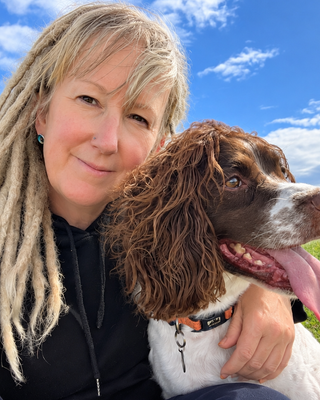
This is a FREE, informal group. It is about women supporting each other in their mental and physical wellbeing. Getting out in the fresh air, walking and talking. I try to organise one a month which I will put in the EVENTS Tab on its Facebook page.
More Groups Nearby
A group for adults diagnosed with ADHD. The group is led by a psychotherapist, and the aim is to meet others, receive peer support and understanding, and have space to explore relational difficulties you might be experiencing. The group runs for 6 weeks, with only five people in order that you can get to know and trust each other, and have space. Held from 2 - 3.30 on Thursdays, the next group will start on the 23rd of April. The cost is £25 per session. Please email jess.barber71@gmail.com to book a place or for more information.

A group for adults diagnosed with ADHD. The group is led by a psychotherapist, and the aim is to meet others, receive peer support and understanding, and have space to explore relational difficulties you might be experiencing. The group runs for 6 weeks, with only five people in order that you can get to know and trust each other, and have space. Held from 2 - 3.30 on Thursdays, the next group will start on the 23rd of April. The cost is £25 per session. Please email jess.barber71@gmail.com to book a place or for more information.
An online book club for anyone wanting to understand their attachment style and work towards a secure attachment. We'll read books aimed at attachment and relationships, reading and working through a couple of chapters each month.

An online book club for anyone wanting to understand their attachment style and work towards a secure attachment. We'll read books aimed at attachment and relationships, reading and working through a couple of chapters each month.
Trauma-informed yoga offers a gentle, supportive space prioritising emotional/physical safety. Unlike traditional yoga, it emphasises choice, agency, and body awareness rather than achieving movements. There is no “right/wrong” way—clients are encouraged to listen to their bodies and honour personal boundaries. No prior yoga experience is required, and there will be no physical touch or adjustments. Wear whatever feels comfortable. Sessions run in six-week blocks within a closed group of no more than eight clients, ensuring an intimate, supportive environment. This practice supports nervous system regulation, fosters reconnection, and nurtures safety and empowerment for personal healing.

Trauma-informed yoga offers a gentle, supportive space prioritising emotional/physical safety. Unlike traditional yoga, it emphasises choice, agency, and body awareness rather than achieving movements. There is no “right/wrong” way—clients are encouraged to listen to their bodies and honour personal boundaries. No prior yoga experience is required, and there will be no physical touch or adjustments. Wear whatever feels comfortable. Sessions run in six-week blocks within a closed group of no more than eight clients, ensuring an intimate, supportive environment. This practice supports nervous system regulation, fosters reconnection, and nurtures safety and empowerment for personal healing.
There are spaces available in an open-ended weekly relational therapy group, of 5 - 7 (maximum) participants. Group therapy is a first choice of treatment for those motivated to explore and enrich their communication and relationships with others in a confidential setting. Under my guidance and encouragement as facilitator in this therapeutic journey, we explore interactions, dreams and imagination and find the confidence to define and develop the therapeutic level. If you wish to pursue this, we can arrange individual sessions for us to think together about what you hope for from being in the group.

There are spaces available in an open-ended weekly relational therapy group, of 5 - 7 (maximum) participants. Group therapy is a first choice of treatment for those motivated to explore and enrich their communication and relationships with others in a confidential setting. Under my guidance and encouragement as facilitator in this therapeutic journey, we explore interactions, dreams and imagination and find the confidence to define and develop the therapeutic level. If you wish to pursue this, we can arrange individual sessions for us to think together about what you hope for from being in the group.
a therapy group discussing men's mental health issues online and in Bristol and Glastonbury. See www.yourtimetotalk.co.uk for details

a therapy group discussing men's mental health issues online and in Bristol and Glastonbury. See www.yourtimetotalk.co.uk for details
Online rolling group supervision programme offering a space to think reflectively about clinical cases or professional practice issues. For more information or to join the group please get in touch via email or telephone. All professional backgrounds welcomed!

Online rolling group supervision programme offering a space to think reflectively about clinical cases or professional practice issues. For more information or to join the group please get in touch via email or telephone. All professional backgrounds welcomed!
Do you need support to manage your overwhelming emotions? Are you finding yourself coping in ways that just end up causing you more harm and distress? Our 30week online DBT skills group is here to help provide the coping skills and supportive community that you need. In a therapeutic environment we support you to learn tools to manage painful emotions, improve your relationships, develop self compassion, and enhance your wellbeing. Our program includes phone coaching outside of group hours, so you have support to practice your new skills when you need it! 1:1 sessions available alongside group if needed.

Do you need support to manage your overwhelming emotions? Are you finding yourself coping in ways that just end up causing you more harm and distress? Our 30week online DBT skills group is here to help provide the coping skills and supportive community that you need. In a therapeutic environment we support you to learn tools to manage painful emotions, improve your relationships, develop self compassion, and enhance your wellbeing. Our program includes phone coaching outside of group hours, so you have support to practice your new skills when you need it! 1:1 sessions available alongside group if needed.
Welcome to the Stop Watching It Men’s Online Support Group This is a safe, non-judgmental space for men who want to stop or reduce their use of pornography and reclaim control over their lives. Here, you can share your experiences, challenges, and successes, and receive support from others who understand the journey. Our focus is on encouragement, accountability, and practical strategies to help you move forward, one step at a time.

Welcome to the Stop Watching It Men’s Online Support Group This is a safe, non-judgmental space for men who want to stop or reduce their use of pornography and reclaim control over their lives. Here, you can share your experiences, challenges, and successes, and receive support from others who understand the journey. Our focus is on encouragement, accountability, and practical strategies to help you move forward, one step at a time.
A gentle, welcoming space to experience Reiki and energy healing in Bristol, connect with others and take some time to slow down. Whether you’re completely new to Reiki or already practise energy work yourself, these relaxed sessions offer an opportunity to receive Reiki, share experiences and reconnect with yourself.
A gentle, welcoming space to experience Reiki and energy healing in Bristol, connect with others and take some time to slow down. Whether you’re completely new to Reiki or already practise energy work yourself, these relaxed sessions offer an opportunity to receive Reiki, share experiences and reconnect with yourself.
I run an ongoing relational therapy group at 7:30 on Wednesday evenings; there are places for new participants. Group therapy is a first choice of treatment for those motivated to explore and enrich their communication and relationships with others in a confidential setting. Under my guidance and encouragement as facilitator in this therapeutic journey, we explore interactions, dreams and imagination and find the confidence to define and develop the therapeutic level. If you wish to pursue this, we can arrange some individual sessions for us to think together about what you hope for from being in the group.
I run an ongoing relational therapy group at 7:30 on Wednesday evenings; there are places for new participants. Group therapy is a first choice of treatment for those motivated to explore and enrich their communication and relationships with others in a confidential setting. Under my guidance and encouragement as facilitator in this therapeutic journey, we explore interactions, dreams and imagination and find the confidence to define and develop the therapeutic level. If you wish to pursue this, we can arrange some individual sessions for us to think together about what you hope for from being in the group.
This group is aimed at people who would like to be able to express themselves and connect with others using movement and the body as a tool for self-discovery in a safe environment. I offer a free call of 10m to clarify any questions you might have regarding the group. The group will be running on the following dates: 16th May, 23rd May, 6th June, 13th June, 20th and 27th June.

This group is aimed at people who would like to be able to express themselves and connect with others using movement and the body as a tool for self-discovery in a safe environment. I offer a free call of 10m to clarify any questions you might have regarding the group. The group will be running on the following dates: 16th May, 23rd May, 6th June, 13th June, 20th and 27th June.
A compassionate, supportive space for mothers experiencing the pain and uncertainty of estrangement from their adult children. The group offers understanding without judgement, helping members explore grief, loss, anger, guilt, rejection and the complex emotions that accompany family separation. Through shared experiences, therapeutic discussion and practical tools, participants can develop healthier ways to cope, strengthen self-compassion and rebuild a sense of identity beyond their relationship with their child. The group provides an opportunity to feel heard, connect with others who truly understand, and begin moving towards acceptance, healing and hope while respecting each person’s unique circumstances and journey.

A compassionate, supportive space for mothers experiencing the pain and uncertainty of estrangement from their adult children. The group offers understanding without judgement, helping members explore grief, loss, anger, guilt, rejection and the complex emotions that accompany family separation. Through shared experiences, therapeutic discussion and practical tools, participants can develop healthier ways to cope, strengthen self-compassion and rebuild a sense of identity beyond their relationship with their child. The group provides an opportunity to feel heard, connect with others who truly understand, and begin moving towards acceptance, healing and hope while respecting each person’s unique circumstances and journey.
A men-only online, fortnightly therapy group of 6-8 guys. Explore issues that matter to you with the unconditional support of fellow men. Share, listen and learn from others' experiences in a safe, structured way. Often, men haven't been allowed to discover their full emotional range, with societal pressures of success, masculinity and fatherhood. Members of this group will undergo a short induction, to make sure you and us will be a good fit and to set ground rules.

A men-only online, fortnightly therapy group of 6-8 guys. Explore issues that matter to you with the unconditional support of fellow men. Share, listen and learn from others' experiences in a safe, structured way. Often, men haven't been allowed to discover their full emotional range, with societal pressures of success, masculinity and fatherhood. Members of this group will undergo a short induction, to make sure you and us will be a good fit and to set ground rules.
Engaging with others in a group can diminish feelings of isolation and foster understanding and a potent sense of belonging. Each member contributes unique experiences. Members benefit from multiple viewpoints, gaining deeper insights into their behaviours, emotional triggers, and coping mechanisms. Group sessions cost less than individual sessions. Members can refine their communication and interpersonal skills. The group becomes a microcosm of the outside world: in this environment, members can safely address and modify dysfunctional patterns of behaviour. Group therapy is an active, dynamic force driving transformative change. It harnesses the power of collective experience, shared wisdom, and mutual support.

Engaging with others in a group can diminish feelings of isolation and foster understanding and a potent sense of belonging. Each member contributes unique experiences. Members benefit from multiple viewpoints, gaining deeper insights into their behaviours, emotional triggers, and coping mechanisms. Group sessions cost less than individual sessions. Members can refine their communication and interpersonal skills. The group becomes a microcosm of the outside world: in this environment, members can safely address and modify dysfunctional patterns of behaviour. Group therapy is an active, dynamic force driving transformative change. It harnesses the power of collective experience, shared wisdom, and mutual support.
A therapy group offers a unique opportunity to explore how we relate to ourselves and others. In this group, we support queer, gay, bi and trans men and non-binary folk to explore their wounds and celebrate their identities. Work on your relationship to self and others. Receive support and feedback. Increase interpersonal confidence. Develop deep, genuine connections. We meet weekly, in central Bristol.

A therapy group offers a unique opportunity to explore how we relate to ourselves and others. In this group, we support queer, gay, bi and trans men and non-binary folk to explore their wounds and celebrate their identities. Work on your relationship to self and others. Receive support and feedback. Increase interpersonal confidence. Develop deep, genuine connections. We meet weekly, in central Bristol.
A women-only online, fortnightly therapy group of 6-8 ladies. Explore issues that matter to you with the unconditional support of fellow women. Share, listen and learn from others' experiences in a safe, structured way. Often, women haven't been allowed to show vulnerability, with societal pressures of perfection, femininity and motherhood. Members of this group will undergo a short induction, to make sure you and us will be a good fit and to set ground rules.
A women-only online, fortnightly therapy group of 6-8 ladies. Explore issues that matter to you with the unconditional support of fellow women. Share, listen and learn from others' experiences in a safe, structured way. Often, women haven't been allowed to show vulnerability, with societal pressures of perfection, femininity and motherhood. Members of this group will undergo a short induction, to make sure you and us will be a good fit and to set ground rules.
See more therapy options for Weston-super-Mare

FAQs - About Group Therapy and Support Groups
How can I find a support group in Weston-super-Mare?
To find a support group in your area, start by entering your city, postcode, or the name of the group into the search bar at the top of the page. When searching, consider whether you prefer an in-person or virtual group. This can help you decide how broad your geographic search should be. If you are open to virtual groups, you might want to search by state instead of just your city, especially if there are limited options nearby.
Once you complete your search, you can use the filters to narrow the results by selecting specialties (such as grief, trauma, or eating disorders), therapeutic approaches, age groups, and other criteria to find a group that best fits your needs.
Once you complete your search, you can use the filters to narrow the results by selecting specialties (such as grief, trauma, or eating disorders), therapeutic approaches, age groups, and other criteria to find a group that best fits your needs.
How does group therapy work?
Group therapy is led by one or more trained therapists and provides a space where participants can process their experiences and learn from others facing similar challenges. Groups may focus on a specific issue—such as addiction, grief, physical illnesses, parenting, or caregiving—or they may center around a particular therapeutic approach, such as Cognitive Behavioural Therapy (CBT), social skill development, or Exposure Therapy. Some groups are also designed for specific populations, such as teens, veterans, or LGBTQ+ individuals.
It’s also important to distinguish group therapy from peer-led support groups, like Alcoholics Anonymous. While both can offer valuable support, therapy groups are typically led by licensed professionals and follow a more structured format. Therapy groups often meet for a fixed length of time with a consistent group of members, while many peer support groups meet for an indefinite period of time with members coming and going.
It’s also important to distinguish group therapy from peer-led support groups, like Alcoholics Anonymous. While both can offer valuable support, therapy groups are typically led by licensed professionals and follow a more structured format. Therapy groups often meet for a fixed length of time with a consistent group of members, while many peer support groups meet for an indefinite period of time with members coming and going.
What are the benefits of group therapy?
Group therapy offers several important benefits. It brings together people facing similar challenges—whether related to mental health, physical health, or life transitions—and creates a supportive environment where participants can exchange feedback, share experiences, and learn from one another. Hearing different perspectives can help individuals discover new coping strategies and practical tools they may not have encountered on their own. Sharing personal experiences, such as coping with a serious illness or navigating family struggles, can also reduce feelings of isolation and foster a sense of connection and understanding. In addition to emotional support, group members often gain useful, real-world advice from peers who have faced similar situations.
Group therapy is typically more affordable than individual therapy and, for certain conditions, can be equally effective. Many groups also include structured activities—such as guided journaling, cognitive-behavioural exercises, or role-playing—to help participants develop concrete skills they can apply in daily life.
Group therapy is typically more affordable than individual therapy and, for certain conditions, can be equally effective. Many groups also include structured activities—such as guided journaling, cognitive-behavioural exercises, or role-playing—to help participants develop concrete skills they can apply in daily life.
Is group therapy as effective as individual therapy?
It is difficult to make a blanket statement about the effectiveness of support groups, as they vary widely in focus and the conditions they address. However, support groups can be highly valuable in helping individuals gain emotional support and achieve meaningful treatment outcomes. For certain conditions, such as substance use, research has shown that group therapy can be particularly effective—sometimes just as effective as individual therapy—in supporting long-term recovery.
Many professionals attribute the effectiveness of group therapy to the unique benefits of the group setting, which fosters peer-to-peer learning and a sense of connection through shared experiences. Group settings also offer accountability and encouragement from both facilitators and fellow participants, which helps sustain motivation and supports continued progress. These factors together play a key role in promoting the overall effectiveness of group therapy.
Many professionals attribute the effectiveness of group therapy to the unique benefits of the group setting, which fosters peer-to-peer learning and a sense of connection through shared experiences. Group settings also offer accountability and encouragement from both facilitators and fellow participants, which helps sustain motivation and supports continued progress. These factors together play a key role in promoting the overall effectiveness of group therapy.
How much does group therapy cost?
Group therapy is typically less expensive than individual therapy, with sessions typically costing between £45 to £60 each. In comparison, individual therapy can cost anywhere from £60 to £150 or more per session, even with insurance. Some therapists or organizations offer low-cost or free group therapy options, particularly through community centers or non-profit organizations. In some cases, groups may require payment upfront for a set number of sessions, such as paying for six weekly sessions at the first meeting. However, many providers offer payment plans to help make participation more accessible if this upfront payment is required.
Does insurance cover group therapy?
If you have private insurance, your plan may cover some if not all of your group therapy sessions. You should contact your insurance provider to determine if they provide coverage for group therapy sessions and to determine what, if any, requirements they might have in order for your sessions to be covered, such as a referral from your GP or medical specialist.
How long does group therapy last?
The length of each group therapy session typically ranges from 45 minutes to two hours, depending on the therapy approach, the group’s goals, and how often the group meets. In some cases, group therapy is part of a larger treatment program, such as an Intensive Outpatient Program (IOP), where group sessions complement individual therapy and are scheduled as part of the program’s overall structure.
The duration of participation in a group also varies. Some groups are designed to be short-term, lasting anywhere from 6 to 24 weeks—for example, bereavement groups or skills-based groups like those using Dialectical Behavioural Therapy (DBT). Other groups may be longer-term, lasting a year or more, and some ongoing support groups meet indefinitely, allowing participants to stay as long as they find the group helpful.
The duration of participation in a group also varies. Some groups are designed to be short-term, lasting anywhere from 6 to 24 weeks—for example, bereavement groups or skills-based groups like those using Dialectical Behavioural Therapy (DBT). Other groups may be longer-term, lasting a year or more, and some ongoing support groups meet indefinitely, allowing participants to stay as long as they find the group helpful.
What are the limitations of support groups?
Support groups offer many benefits, but they also have certain limitations. Unlike therapy groups, many support groups do not provide formal therapeutic treatment and are not led by licensed mental health professionals. For individuals seeking clinical treatment for specific mental health diagnoses—such as depression, eating disorders, or substance use—individual therapy or group therapy led by a licensed professional may offer more personalised and specialised care.
The effectiveness of a support group also depends heavily on the group’s participants and the overall group dynamic. When members engage respectfully and offer constructive support, the group can foster valuable peer-to-peer learning. However, if certain participants dominate discussions, provide inaccurate advice, or create conflict, it can disrupt the group’s sense of safety and reduce its effectiveness. Confidentiality can also be harder to maintain in support groups, particularly in open groups where participants can join or leave at any time. With new members regularly entering the group, it can be more difficult to build and sustain a consistent sense of trust and privacy.
The effectiveness of a support group also depends heavily on the group’s participants and the overall group dynamic. When members engage respectfully and offer constructive support, the group can foster valuable peer-to-peer learning. However, if certain participants dominate discussions, provide inaccurate advice, or create conflict, it can disrupt the group’s sense of safety and reduce its effectiveness. Confidentiality can also be harder to maintain in support groups, particularly in open groups where participants can join or leave at any time. With new members regularly entering the group, it can be more difficult to build and sustain a consistent sense of trust and privacy.