Support Groups in Stoke-on-Trent
Once a month on a Saturday, Karen makes a cuppa and logs onto zoom to welcome other professionals working in the field of Mental Health for an hour and a half. It is for people sharing similar interests aiming to limit the isolation some practitioners may experience and/or to discuss open topics. Our Coffee Quarters sessions are welcoming and a refreshing change from most networking sessions. Here you will find a group of professionals who are happy to share their experience with you, where you will become friends with others who share your interests.

Once a month on a Saturday, Karen makes a cuppa and logs onto zoom to welcome other professionals working in the field of Mental Health for an hour and a half. It is for people sharing similar interests aiming to limit the isolation some practitioners may experience and/or to discuss open topics. Our Coffee Quarters sessions are welcoming and a refreshing change from most networking sessions. Here you will find a group of professionals who are happy to share their experience with you, where you will become friends with others who share your interests.
All participants will receive a "Certificate of Attendance of Basic Course 1&2 in Positive Psychotherapy" University graduates (minimum bachelor degree) in fields such as humanistic sciences, psychology, counselling, education, health or medical sciences or students in their third year of studies in one of the mentioned fields, may undergo an examination at the end of the training to receive the WAPP Certificate "Basic Consultant of Positive Psychotherapy". This is the first step towards the certification as Positive Psychotherapist. Please contact contact@positivepsychotherapy.org.uk www.positivepsychotherapy.org.uk

Hosted by Adela R. Moldovan Private Practice Clinic
Psychotherapist, PsychD, MBACP
Group meets in Stoke-on-Trent ST4
All participants will receive a "Certificate of Attendance of Basic Course 1&2 in Positive Psychotherapy" University graduates (minimum bachelor degree) in fields such as humanistic sciences, psychology, counselling, education, health or medical sciences or students in their third year of studies in one of the mentioned fields, may undergo an examination at the end of the training to receive the WAPP Certificate "Basic Consultant of Positive Psychotherapy". This is the first step towards the certification as Positive Psychotherapist. Please contact contact@positivepsychotherapy.org.uk www.positivepsychotherapy.org.uk
The workshop is open to Counsellors, Psychotherapists and Social Workers as well as trainers, educators and consultants wishing to add creativity and structure to their work or to fulfill CPD requirements. How to Apply: Please e-mail: contact@positivepsychotherapy.org.uk and visit: www.PositivePsychotherapy.org.uk This is an experiential workshop where participation is encouraged, so bring your creative and open self and let's explore!
Hosted by Adela R. Moldovan Private Practice Clinic
Psychotherapist, PsychD, MBACP
Group meets in Stoke-on-Trent ST4
The workshop is open to Counsellors, Psychotherapists and Social Workers as well as trainers, educators and consultants wishing to add creativity and structure to their work or to fulfill CPD requirements. How to Apply: Please e-mail: contact@positivepsychotherapy.org.uk and visit: www.PositivePsychotherapy.org.uk This is an experiential workshop where participation is encouraged, so bring your creative and open self and let's explore!
More Groups Nearby
A closed group of up to 6 participants, meeting online via Zoom for 8 weeks to explore the neurodivergent experience of peri- and post-menopause in a supportive and empathetic space with a late-diagnosed neurodivergent facilitator also navigating this stage of life. Total cost is £240 per person (equivalent to £15 per hour). FREE initial consultation available to help you decide if this would be helpful for you, bookable via my website (www.wanderwoodtherapy.co.uk).

A closed group of up to 6 participants, meeting online via Zoom for 8 weeks to explore the neurodivergent experience of peri- and post-menopause in a supportive and empathetic space with a late-diagnosed neurodivergent facilitator also navigating this stage of life. Total cost is £240 per person (equivalent to £15 per hour). FREE initial consultation available to help you decide if this would be helpful for you, bookable via my website (www.wanderwoodtherapy.co.uk).
Join this small supportive online space for mum’s who want to give their child the gifts they never had. Do you want to feel calmer, more connected to your child and challenge your inherited parenting story? Are you looking to parent differently ? Changing the parenting script is hard and courageous but can be done. I know! This group will help. Running for 10 weeks for 11/2 a week it will give you tools to use with your child and personal insights to support you to be the mum you long to be. Do get in touch for further information about dates and costs.
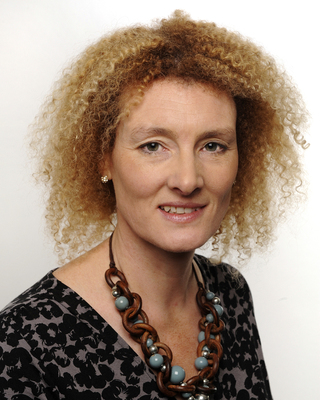
Join this small supportive online space for mum’s who want to give their child the gifts they never had. Do you want to feel calmer, more connected to your child and challenge your inherited parenting story? Are you looking to parent differently ? Changing the parenting script is hard and courageous but can be done. I know! This group will help. Running for 10 weeks for 11/2 a week it will give you tools to use with your child and personal insights to support you to be the mum you long to be. Do get in touch for further information about dates and costs.
We launched our complex trauma programme, LifeBEAT, in Autumn 2021. It supports people who've been through adversity or trauma in their lives - particularly involving relationships, who may need a more support than talking therapies alone. Many people benefit from treatment that works with our mind and body, This why our programme offers access to psychologists, yoga therapy, nutritional therapy advice and peer support. The length of this process will be different for everyone, but may take anything from a few weeks to 18 months of group work. £20 per session, Low cost options for Trafford residents)

Hosted by Beyond Barriers Therapy Services
Psychologist, HCPC - Clin. Psych.
Group meets in Altrincham WA14
We launched our complex trauma programme, LifeBEAT, in Autumn 2021. It supports people who've been through adversity or trauma in their lives - particularly involving relationships, who may need a more support than talking therapies alone. Many people benefit from treatment that works with our mind and body, This why our programme offers access to psychologists, yoga therapy, nutritional therapy advice and peer support. The length of this process will be different for everyone, but may take anything from a few weeks to 18 months of group work. £20 per session, Low cost options for Trafford residents)
Parenting teenagers is hard. It is even harder if you struggled your self as a teenager or had less than ideal parenting yourself. This 10 week online group offers a safe, small supportive space to parents wanting to learn techniques, focus on connection and building bridges to understand themselves and their teenagers better. Get in touch to find out more.
Parenting teenagers is hard. It is even harder if you struggled your self as a teenager or had less than ideal parenting yourself. This 10 week online group offers a safe, small supportive space to parents wanting to learn techniques, focus on connection and building bridges to understand themselves and their teenagers better. Get in touch to find out more.
Are your staff struggling with impact of Covid? Or do they work with people with complex needs or trauma? We offer specialist Staff-wellbeing interventions to a range of organisations. They are facilitated by a trained psychologist and can be tailored to the organisations area of work. All sessions are underpinned by an evidence-based compassion-focused approach. Their purpose is to create compassionate resilience within teams and individuals, so they can manage the stress that Covid or trauma-focused work creates. If you or your organisation would like to understand how this could help, please do get in touch.
Hosted by Beyond Barriers Therapy Services
Psychologist, HCPC - Clin. Psych.
Group meets in Altrincham WA14
Are your staff struggling with impact of Covid? Or do they work with people with complex needs or trauma? We offer specialist Staff-wellbeing interventions to a range of organisations. They are facilitated by a trained psychologist and can be tailored to the organisations area of work. All sessions are underpinned by an evidence-based compassion-focused approach. Their purpose is to create compassionate resilience within teams and individuals, so they can manage the stress that Covid or trauma-focused work creates. If you or your organisation would like to understand how this could help, please do get in touch.
This is a Grief Support Group in Matlock, sponsored by Daisy Vision Counselling. It's for anyone who's struggling with loss and grieving, whether recent or from some time ago. It's often a very lonely journey as we try to deal with a wealth of emotions and struggles, but it's good to talk - it can really help with healing. Free coffee/tea and biscuits are served with a smile, and there's opportunity to share our experiences and find support and friendship with others who know what it's like.

This is a Grief Support Group in Matlock, sponsored by Daisy Vision Counselling. It's for anyone who's struggling with loss and grieving, whether recent or from some time ago. It's often a very lonely journey as we try to deal with a wealth of emotions and struggles, but it's good to talk - it can really help with healing. Free coffee/tea and biscuits are served with a smile, and there's opportunity to share our experiences and find support and friendship with others who know what it's like.
A group for pet owners experiencing intense grief similar to losing a human family member. Acknowledging and validating these feelings with a small group of animal lovers who understand and care about your grief can help you navigate this difficult time. Meet once weekly for six weeks to process your love and loss. You can bring pictures/ keepsakes and share your feelings with a qualified counsellor.

Hosted by Jennifer @Need2Talk2Someone Counselling Services
Psychologist, MSc, GMBPsS
Group meets in Leek ST13
A group for pet owners experiencing intense grief similar to losing a human family member. Acknowledging and validating these feelings with a small group of animal lovers who understand and care about your grief can help you navigate this difficult time. Meet once weekly for six weeks to process your love and loss. You can bring pictures/ keepsakes and share your feelings with a qualified counsellor.
Shiatsu Therapy and Counselling
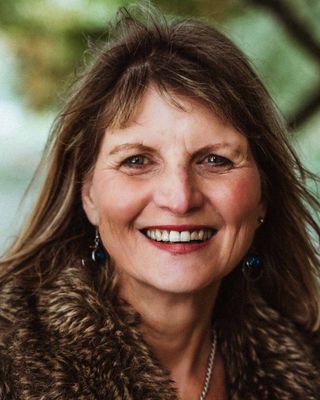
Shiatsu Therapy and Counselling
Looking for some peace from the stress, worry, and the exhausting pedalling that so many of us are juggling in modern life? Curious about mindfulness, but turned off by the ideas of sitting and meditating? We might have the thing for you that could be an alternative / pre-therapy option. Using mindfulness of everyday activities, nature, creative art, breath, compassion, music, even food, you’ll find the style that suits you. Starting 1st August - 5th September 2023 £49 (free low income rates also available) To book your place please follow www.beyondbarriers.uk/book-online
Hosted by Beyond Barriers Therapy Services
Psychologist, HCPC - Clin. Psych.
Group meets in Altrincham WA14
Looking for some peace from the stress, worry, and the exhausting pedalling that so many of us are juggling in modern life? Curious about mindfulness, but turned off by the ideas of sitting and meditating? We might have the thing for you that could be an alternative / pre-therapy option. Using mindfulness of everyday activities, nature, creative art, breath, compassion, music, even food, you’ll find the style that suits you. Starting 1st August - 5th September 2023 £49 (free low income rates also available) To book your place please follow www.beyondbarriers.uk/book-online
This set package consists of 4 x 60 minute CBT sessions delivered once a week via video call all in the comfort of your own home. Understand the 'vicious cycle' of CBT and how this can impact your birth experience. Learn how to break the cycle. Explore your beliefs about birth & learn how to re-frame your anxious thoughts. Learn skills to feel calm and empowered as you approach this special time. Please email me for more information.

Hosted by Kezia Mathieson - CBT and EMDR Therapist
Psychotherapist, MBABCP
Group meets in Derby DE65
This set package consists of 4 x 60 minute CBT sessions delivered once a week via video call all in the comfort of your own home. Understand the 'vicious cycle' of CBT and how this can impact your birth experience. Learn how to break the cycle. Explore your beliefs about birth & learn how to re-frame your anxious thoughts. Learn skills to feel calm and empowered as you approach this special time. Please email me for more information.

Online Groups
This is a monthly clinical supervision group of max 6 people. Expect a safe and brave space, where sharing is OK; a lot of experiential exercises; laughter; hard work and a sense of having dug deep to the core of your clinical dilemmas. Our work is more than the stories that are shared with us; it requires US to be present. Therefore, in this group, you'll have the opportunity to bring yourself into the reflective work. While this type of supervision can feel harder at the beginning, it provides as a shield against burnout.

This is a monthly clinical supervision group of max 6 people. Expect a safe and brave space, where sharing is OK; a lot of experiential exercises; laughter; hard work and a sense of having dug deep to the core of your clinical dilemmas. Our work is more than the stories that are shared with us; it requires US to be present. Therefore, in this group, you'll have the opportunity to bring yourself into the reflective work. While this type of supervision can feel harder at the beginning, it provides as a shield against burnout.
I offer corporate mental health training to organisations whom are keen to unlock their employees potential. I will help organisations to understand the key to unlocking increased productivity in the work environment by looking at the mental health temperature of their organisation. I can act as a consultant in enabling organisations to develop mental health resources and access to psychological support. I am able to train and educate senior leaders on active listening within mental health.

I offer corporate mental health training to organisations whom are keen to unlock their employees potential. I will help organisations to understand the key to unlocking increased productivity in the work environment by looking at the mental health temperature of their organisation. I can act as a consultant in enabling organisations to develop mental health resources and access to psychological support. I am able to train and educate senior leaders on active listening within mental health.
The supervision group is currently online. Please contact me for more details

The supervision group is currently online. Please contact me for more details
Online rolling group supervision programme offering a space to think reflectively about clinical cases or professional practice issues. For more information or to join the group please get in touch via email or telephone. All professional backgrounds welcomed!

Online rolling group supervision programme offering a space to think reflectively about clinical cases or professional practice issues. For more information or to join the group please get in touch via email or telephone. All professional backgrounds welcomed!
A 3 session introduction to group therapy You’ve ticked all the right boxes; the career, the relationships, the achievements. From the outside, you look like you’re doing just fine. So why are you still asking yourself, at work, in the shower, even when you’re supposed to be enjoying yourself: ‘Is this it? Why doesn’t it feel like enough?’ You know your past shaped you. You’ve read books, listened to podcasts, blah blah blah, been there, done that. But the feeling remains: maybe it’s me. Maybe I’m the problem.

A 3 session introduction to group therapy You’ve ticked all the right boxes; the career, the relationships, the achievements. From the outside, you look like you’re doing just fine. So why are you still asking yourself, at work, in the shower, even when you’re supposed to be enjoying yourself: ‘Is this it? Why doesn’t it feel like enough?’ You know your past shaped you. You’ve read books, listened to podcasts, blah blah blah, been there, done that. But the feeling remains: maybe it’s me. Maybe I’m the problem.
By midlife, losses in our lives can accumulate. We may be wondering how we can cope, how we want to live with them, what is ahead and what do we want to make of our lives now? This in-person therapy group starting in September is for you if you'd like to feel the relief and connection from joining a group of women who get it; find greater understanding and acceptance, and make peace with the losses you've had; create new dreams for yourself and live life to the full; and discover new zest for your life now.
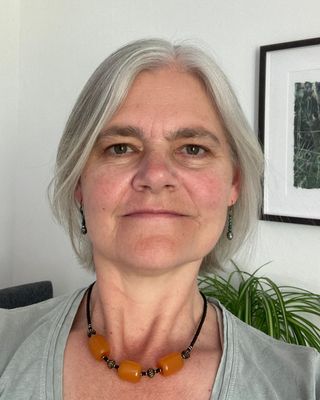
By midlife, losses in our lives can accumulate. We may be wondering how we can cope, how we want to live with them, what is ahead and what do we want to make of our lives now? This in-person therapy group starting in September is for you if you'd like to feel the relief and connection from joining a group of women who get it; find greater understanding and acceptance, and make peace with the losses you've had; create new dreams for yourself and live life to the full; and discover new zest for your life now.
See more therapy options for Stoke-on-Trent

Nearby Searches for Stoke-on-Trent
See More Support Groups FAQs - About Group Therapy and Support Groups
How can I find a support group in Stoke-on-Trent?
To find a support group in your area, start by entering your city, postcode, or the name of the group into the search bar at the top of the page. When searching, consider whether you prefer an in-person or virtual group. This can help you decide how broad your geographic search should be. If you are open to virtual groups, you might want to search by state instead of just your city, especially if there are limited options nearby.
Once you complete your search, you can use the filters to narrow the results by selecting specialties (such as grief, trauma, or eating disorders), therapeutic approaches, age groups, and other criteria to find a group that best fits your needs.
Once you complete your search, you can use the filters to narrow the results by selecting specialties (such as grief, trauma, or eating disorders), therapeutic approaches, age groups, and other criteria to find a group that best fits your needs.
How does group therapy work?
Group therapy is led by one or more trained therapists and provides a space where participants can process their experiences and learn from others facing similar challenges. Groups may focus on a specific issue—such as addiction, grief, physical illnesses, parenting, or caregiving—or they may center around a particular therapeutic approach, such as Cognitive Behavioural Therapy (CBT), social skill development, or Exposure Therapy. Some groups are also designed for specific populations, such as teens, veterans, or LGBTQ+ individuals.
It’s also important to distinguish group therapy from peer-led support groups, like Alcoholics Anonymous. While both can offer valuable support, therapy groups are typically led by licensed professionals and follow a more structured format. Therapy groups often meet for a fixed length of time with a consistent group of members, while many peer support groups meet for an indefinite period of time with members coming and going.
It’s also important to distinguish group therapy from peer-led support groups, like Alcoholics Anonymous. While both can offer valuable support, therapy groups are typically led by licensed professionals and follow a more structured format. Therapy groups often meet for a fixed length of time with a consistent group of members, while many peer support groups meet for an indefinite period of time with members coming and going.
What are the benefits of group therapy?
Group therapy offers several important benefits. It brings together people facing similar challenges—whether related to mental health, physical health, or life transitions—and creates a supportive environment where participants can exchange feedback, share experiences, and learn from one another. Hearing different perspectives can help individuals discover new coping strategies and practical tools they may not have encountered on their own. Sharing personal experiences, such as coping with a serious illness or navigating family struggles, can also reduce feelings of isolation and foster a sense of connection and understanding. In addition to emotional support, group members often gain useful, real-world advice from peers who have faced similar situations.
Group therapy is typically more affordable than individual therapy and, for certain conditions, can be equally effective. Many groups also include structured activities—such as guided journaling, cognitive-behavioural exercises, or role-playing—to help participants develop concrete skills they can apply in daily life.
Group therapy is typically more affordable than individual therapy and, for certain conditions, can be equally effective. Many groups also include structured activities—such as guided journaling, cognitive-behavioural exercises, or role-playing—to help participants develop concrete skills they can apply in daily life.
Is group therapy as effective as individual therapy?
It is difficult to make a blanket statement about the effectiveness of support groups, as they vary widely in focus and the conditions they address. However, support groups can be highly valuable in helping individuals gain emotional support and achieve meaningful treatment outcomes. For certain conditions, such as substance use, research has shown that group therapy can be particularly effective—sometimes just as effective as individual therapy—in supporting long-term recovery.
Many professionals attribute the effectiveness of group therapy to the unique benefits of the group setting, which fosters peer-to-peer learning and a sense of connection through shared experiences. Group settings also offer accountability and encouragement from both facilitators and fellow participants, which helps sustain motivation and supports continued progress. These factors together play a key role in promoting the overall effectiveness of group therapy.
Many professionals attribute the effectiveness of group therapy to the unique benefits of the group setting, which fosters peer-to-peer learning and a sense of connection through shared experiences. Group settings also offer accountability and encouragement from both facilitators and fellow participants, which helps sustain motivation and supports continued progress. These factors together play a key role in promoting the overall effectiveness of group therapy.
How much does group therapy cost?
Group therapy is typically less expensive than individual therapy, with sessions typically costing between £45 to £60 each. In comparison, individual therapy can cost anywhere from £60 to £150 or more per session, even with insurance. Some therapists or organizations offer low-cost or free group therapy options, particularly through community centers or non-profit organizations. In some cases, groups may require payment upfront for a set number of sessions, such as paying for six weekly sessions at the first meeting. However, many providers offer payment plans to help make participation more accessible if this upfront payment is required.
Does insurance cover group therapy?
If you have private insurance, your plan may cover some if not all of your group therapy sessions. You should contact your insurance provider to determine if they provide coverage for group therapy sessions and to determine what, if any, requirements they might have in order for your sessions to be covered, such as a referral from your GP or medical specialist.
How long does group therapy last?
The length of each group therapy session typically ranges from 45 minutes to two hours, depending on the therapy approach, the group’s goals, and how often the group meets. In some cases, group therapy is part of a larger treatment program, such as an Intensive Outpatient Program (IOP), where group sessions complement individual therapy and are scheduled as part of the program’s overall structure.
The duration of participation in a group also varies. Some groups are designed to be short-term, lasting anywhere from 6 to 24 weeks—for example, bereavement groups or skills-based groups like those using Dialectical Behavioural Therapy (DBT). Other groups may be longer-term, lasting a year or more, and some ongoing support groups meet indefinitely, allowing participants to stay as long as they find the group helpful.
The duration of participation in a group also varies. Some groups are designed to be short-term, lasting anywhere from 6 to 24 weeks—for example, bereavement groups or skills-based groups like those using Dialectical Behavioural Therapy (DBT). Other groups may be longer-term, lasting a year or more, and some ongoing support groups meet indefinitely, allowing participants to stay as long as they find the group helpful.
What are the limitations of support groups?
Support groups offer many benefits, but they also have certain limitations. Unlike therapy groups, many support groups do not provide formal therapeutic treatment and are not led by licensed mental health professionals. For individuals seeking clinical treatment for specific mental health diagnoses—such as depression, eating disorders, or substance use—individual therapy or group therapy led by a licensed professional may offer more personalised and specialised care.
The effectiveness of a support group also depends heavily on the group’s participants and the overall group dynamic. When members engage respectfully and offer constructive support, the group can foster valuable peer-to-peer learning. However, if certain participants dominate discussions, provide inaccurate advice, or create conflict, it can disrupt the group’s sense of safety and reduce its effectiveness. Confidentiality can also be harder to maintain in support groups, particularly in open groups where participants can join or leave at any time. With new members regularly entering the group, it can be more difficult to build and sustain a consistent sense of trust and privacy.
The effectiveness of a support group also depends heavily on the group’s participants and the overall group dynamic. When members engage respectfully and offer constructive support, the group can foster valuable peer-to-peer learning. However, if certain participants dominate discussions, provide inaccurate advice, or create conflict, it can disrupt the group’s sense of safety and reduce its effectiveness. Confidentiality can also be harder to maintain in support groups, particularly in open groups where participants can join or leave at any time. With new members regularly entering the group, it can be more difficult to build and sustain a consistent sense of trust and privacy.