Support Groups in Maidstone
Are you feeling isolated, struggling to cope with ever increasing demands in life, relationships and work. Maybe you’re feeling anxious about taking that next step. Come and have therapy as part of this small women’s group, offering you a support network with the opportunity to meet others experiencing similar concerns. Together with a therapist and other group members you may be encouraged to share your experiences, work on understanding your strengths, discover the areas in your life you may wish to change, find inspiration from others and new ways to cope with stress, loss and change.

Hosted by Stania Frances Psychotherapeutic Counselling MBACP
Counsellor, PNCPS Acc.
Group meets in Maidstone ME17
Are you feeling isolated, struggling to cope with ever increasing demands in life, relationships and work. Maybe you’re feeling anxious about taking that next step. Come and have therapy as part of this small women’s group, offering you a support network with the opportunity to meet others experiencing similar concerns. Together with a therapist and other group members you may be encouraged to share your experiences, work on understanding your strengths, discover the areas in your life you may wish to change, find inspiration from others and new ways to cope with stress, loss and change.
More Groups Nearby
This is a psychotherapy group for women and men who lost a life-partner and would like to understand themselves better and find a healthier way to mourn and live their life after loss. Share your experiences, gain insights into your grief and what keeps you stuck, so you can find a way to grow your life around your loss. Giving and receiving support are a part of the group but the main focus is on creating an environment where the participants can discover themselves and work on their relationship with their loss. https://guidetoafterlife.com/

This is a psychotherapy group for women and men who lost a life-partner and would like to understand themselves better and find a healthier way to mourn and live their life after loss. Share your experiences, gain insights into your grief and what keeps you stuck, so you can find a way to grow your life around your loss. Giving and receiving support are a part of the group but the main focus is on creating an environment where the participants can discover themselves and work on their relationship with their loss. https://guidetoafterlife.com/
Group Size: 6+. Cost: £20. Duration: 1.5 hours. Format: Share; Theory; Share. This is a safe, non-judgmental online space for men who want to stop or drastically reduce their use of pornography and reclaim control over their lives. A space to share your experiences and challenges and gain support from the realisation that you are not alone in your struggle.

Group Size: 6+. Cost: £20. Duration: 1.5 hours. Format: Share; Theory; Share. This is a safe, non-judgmental online space for men who want to stop or drastically reduce their use of pornography and reclaim control over their lives. A space to share your experiences and challenges and gain support from the realisation that you are not alone in your struggle.
Living Life to The Full With God Devotional will teach you important life skills that aim to help empower, elevate, equip and encourage you in your marriage relationship. You will learn how to understand your anxieties, worries, anger and discontentment. You will understand why you feel as you do. Choose to do activities that improve your well-being. Identify blocks or activities that makes you feel worse. Become calmer, more assertive, more compassionate, and supportive of your spouse. You will also build resilience and learn how to flourish as a couple.

Living Life to The Full With God Devotional will teach you important life skills that aim to help empower, elevate, equip and encourage you in your marriage relationship. You will learn how to understand your anxieties, worries, anger and discontentment. You will understand why you feel as you do. Choose to do activities that improve your well-being. Identify blocks or activities that makes you feel worse. Become calmer, more assertive, more compassionate, and supportive of your spouse. You will also build resilience and learn how to flourish as a couple.
The 12-step programme is a form of therapy which provides clients with a set of twelve clear steps towards addiction recovery. These steps are structured to create a beginning-to-end transformation from the early stages of acceptance all the way to rebuilding your connection with others. We are currently registering people for this group. The maximum number of people per group is twenty. Register to get a space

The 12-step programme is a form of therapy which provides clients with a set of twelve clear steps towards addiction recovery. These steps are structured to create a beginning-to-end transformation from the early stages of acceptance all the way to rebuilding your connection with others. We are currently registering people for this group. The maximum number of people per group is twenty. Register to get a space
Growing up as a queer man brings with it many difficulties that can impact our lives and our mental health. This therapy group aims to provide a therapeutic space for queer men to process their experiences, start a journey of discovery, healing and understanding. During 8 weeks of online, focused group therapy, you will be surrounded by those who understand and supported by a queer therapist. You will be guided each week by Tom on a range of themes that often impact queer men.

Growing up as a queer man brings with it many difficulties that can impact our lives and our mental health. This therapy group aims to provide a therapeutic space for queer men to process their experiences, start a journey of discovery, healing and understanding. During 8 weeks of online, focused group therapy, you will be surrounded by those who understand and supported by a queer therapist. You will be guided each week by Tom on a range of themes that often impact queer men.
Starting September 2023. Location: Central Southend. Monthly sessions. One year commitment. £12 per session. For further details email Karen

Starting September 2023. Location: Central Southend. Monthly sessions. One year commitment. £12 per session. For further details email Karen
While focusing on losing someone through death, looking at bereavement is an opportunity to examine or think about any losses you have experienced. Talking to others about your loss can help you face challenges and move you towards rebuilding your life. This group offers you listening ears and helpful encouragement, camaraderie, and guidance in working through grief. When we share our stories with others, our grief is lessened. If after being bereaved you experience confusion, isolation, loneliness, and other emotions related to loss and have many questions about things you’ve never faced before. Come to this platform.
While focusing on losing someone through death, looking at bereavement is an opportunity to examine or think about any losses you have experienced. Talking to others about your loss can help you face challenges and move you towards rebuilding your life. This group offers you listening ears and helpful encouragement, camaraderie, and guidance in working through grief. When we share our stories with others, our grief is lessened. If after being bereaved you experience confusion, isolation, loneliness, and other emotions related to loss and have many questions about things you’ve never faced before. Come to this platform.
We are a collective of psychotherapists, counsellors and psychologists practising with a range of approaches and specialisms offering therapy to individuals, couples, families and groups.

We are a collective of psychotherapists, counsellors and psychologists practising with a range of approaches and specialisms offering therapy to individuals, couples, families and groups.
The group is suitable for people who want to improve the way they communicate with others and recognise why they may be communicating or reacting in certain ways with particular people. Finding new ways of expressing yourself, without creating conflict. suitable for all types of relationship issues, personal. marriage, family, work related or neighbours

The group is suitable for people who want to improve the way they communicate with others and recognise why they may be communicating or reacting in certain ways with particular people. Finding new ways of expressing yourself, without creating conflict. suitable for all types of relationship issues, personal. marriage, family, work related or neighbours
A group for parents of children aged 5-12 who are showing signs of anxiety, worry or fears. The group is led by an NHS Specialist Clinical Child Psychologist and experienced parenting practitioner. In this popular, friendly and welcoming group, you will develop and practise evidence-based skills so that you can be confident to support your child's struggles. Includes 15 minute 1:1 consultation, refreshments and workbook. The group meets every Saturday morning for 3 weeks. Contact me for further information or to join the waiting list for the next group.

Hosted by Dr Sagari Sarkar - Child And Family
Psychologist, HCPC - Clin. Psych.
Group meets in London SE19
A group for parents of children aged 5-12 who are showing signs of anxiety, worry or fears. The group is led by an NHS Specialist Clinical Child Psychologist and experienced parenting practitioner. In this popular, friendly and welcoming group, you will develop and practise evidence-based skills so that you can be confident to support your child's struggles. Includes 15 minute 1:1 consultation, refreshments and workbook. The group meets every Saturday morning for 3 weeks. Contact me for further information or to join the waiting list for the next group.
Working from home sounds like a dream—set your own hours, skip the commute, live on your terms. But if we're being honest, the reality can feel like a treadmill of distractions, nagging self-doubt, or just plain chaos. You’re trying to build a life that lights you up, but it’s like the pieces aren’t clicking. Time’s ticking, and that quiet panic creeps in - check out my website for more details.

Working from home sounds like a dream—set your own hours, skip the commute, live on your terms. But if we're being honest, the reality can feel like a treadmill of distractions, nagging self-doubt, or just plain chaos. You’re trying to build a life that lights you up, but it’s like the pieces aren’t clicking. Time’s ticking, and that quiet panic creeps in - check out my website for more details.
I provide 4 modules group, learning about depression: 1) Depression and Behaviour, 2) Depression and Cognition, Reflection. 3) Rules and Beliefs, Experiences 4) Depression, Feelings, Mindfulness. The group session is 2 hrs and 30 min, and twice a month, during the module introduction 1 to 1 session, which will last 50 min. The group will involve CBT reflection homework . One month 4 modules and 2 sessions one to one. Price and days TBD.

Hosted by Natalie Cope Clinical Psychotherapist
Psychotherapist, MSc, MBACP
Group meets in Billericay CM11
I provide 4 modules group, learning about depression: 1) Depression and Behaviour, 2) Depression and Cognition, Reflection. 3) Rules and Beliefs, Experiences 4) Depression, Feelings, Mindfulness. The group session is 2 hrs and 30 min, and twice a month, during the module introduction 1 to 1 session, which will last 50 min. The group will involve CBT reflection homework . One month 4 modules and 2 sessions one to one. Price and days TBD.
This is a group to share how we are feeling and identify and share with each other ways to care for self. Building self-esteem and self-belief with the support of others. This group would be online

This is a group to share how we are feeling and identify and share with each other ways to care for self. Building self-esteem and self-belief with the support of others. This group would be online
Eight sessions of 8-10 regular pre-registered participants that is customised to the needs of the group. Various themes and healing activities could be introduced, e.g. sleep disturbances, moving home, etc. (No newcomers admitted to the group once the group has formed and started to ensure safety and confidentiality).

Eight sessions of 8-10 regular pre-registered participants that is customised to the needs of the group. Various themes and healing activities could be introduced, e.g. sleep disturbances, moving home, etc. (No newcomers admitted to the group once the group has formed and started to ensure safety and confidentiality).
I offer small group support and therapy sessions for your employees, staff members, management, volunteers, residents, etc. Long term or short term focused sessions with a view to improving your team's wellbeing. Critical incident debriefing is also available.

I offer small group support and therapy sessions for your employees, staff members, management, volunteers, residents, etc. Long term or short term focused sessions with a view to improving your team's wellbeing. Critical incident debriefing is also available.
Hello!
I’m running a Neurodivergent Parenting Therapy and Support Group for parents of neurodivergent children.
It’s will be a small, welcoming group (8 parents) where we’ll explore ways to manage stress, understand our own emotional patterns, and build calm and confidence in everyday life.
I’d love to offer this space for those who might need it. Starting *6th January* for *6 weeks* – £25per session/£150 total – 10-11.30am at West Norwood Library.
Please message me or email rachelb.therapist@gmail.com
if you’d like to know more ?
www.sagetherapy.co.uk

Hello!
I’m running a Neurodivergent Parenting Therapy and Support Group for parents of neurodivergent children.
It’s will be a small, welcoming group (8 parents) where we’ll explore ways to manage stress, understand our own emotional patterns, and build calm and confidence in everyday life.
I’d love to offer this space for those who might need it. Starting *6th January* for *6 weeks* – £25per session/£150 total – 10-11.30am at West Norwood Library.
Please message me or email rachelb.therapist@gmail.com
if you’d like to know more ?
www.sagetherapy.co.uk
I run a group for people supporting each other through similar experiences, and to give validation and to be able to understand with empathy what others have gone through as a trauma suffererer.

I run a group for people supporting each other through similar experiences, and to give validation and to be able to understand with empathy what others have gone through as a trauma suffererer.
Please see information leaflet in photo section. A group of up to ten adults meet once a week ( currently via zoom) to explore challenges in their households and with their children , teaching strategies and techniques, identifying support networks, gaining a support network within the group.
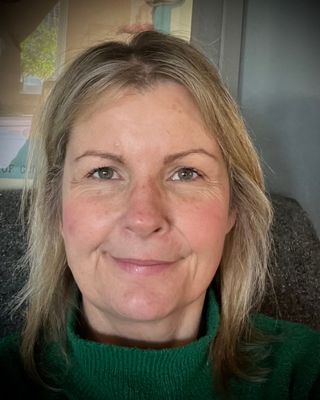
Please see information leaflet in photo section. A group of up to ten adults meet once a week ( currently via zoom) to explore challenges in their households and with their children , teaching strategies and techniques, identifying support networks, gaining a support network within the group.
The Connection Project is a 12-week ONLINE therapy group designed for individuals who have experienced the loss of a sibling. Guided by a grief expert psychotherapist, participants will explore their grief in a supportive environment. The group offers a space to share experiences, foster understanding, and process emotions related to their loss. Together, members will engage in meaningful discussions and activities aimed at developing coping strategies and finding paths to healing. This collective journey encourages connection, validation, and the opportunity to navigate grief alongside others who understand the profound impact of losing a sibling.
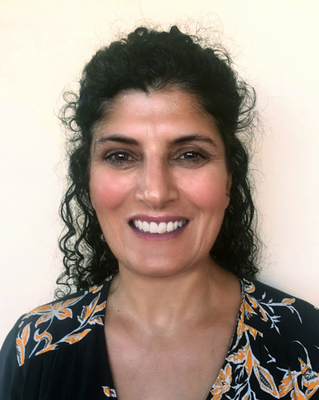
The Connection Project is a 12-week ONLINE therapy group designed for individuals who have experienced the loss of a sibling. Guided by a grief expert psychotherapist, participants will explore their grief in a supportive environment. The group offers a space to share experiences, foster understanding, and process emotions related to their loss. Together, members will engage in meaningful discussions and activities aimed at developing coping strategies and finding paths to healing. This collective journey encourages connection, validation, and the opportunity to navigate grief alongside others who understand the profound impact of losing a sibling.
See more therapy options for Maidstone

Nearby Searches for Maidstone
See More Support Groups FAQs - About Group Therapy and Support Groups
How can I find a support group in Maidstone?
To find a support group in your area, start by entering your city, postcode, or the name of the group into the search bar at the top of the page. When searching, consider whether you prefer an in-person or virtual group. This can help you decide how broad your geographic search should be. If you are open to virtual groups, you might want to search by state instead of just your city, especially if there are limited options nearby.
Once you complete your search, you can use the filters to narrow the results by selecting specialties (such as grief, trauma, or eating disorders), therapeutic approaches, age groups, and other criteria to find a group that best fits your needs.
Once you complete your search, you can use the filters to narrow the results by selecting specialties (such as grief, trauma, or eating disorders), therapeutic approaches, age groups, and other criteria to find a group that best fits your needs.
How does group therapy work?
Group therapy is led by one or more trained therapists and provides a space where participants can process their experiences and learn from others facing similar challenges. Groups may focus on a specific issue—such as addiction, grief, physical illnesses, parenting, or caregiving—or they may center around a particular therapeutic approach, such as Cognitive Behavioural Therapy (CBT), social skill development, or Exposure Therapy. Some groups are also designed for specific populations, such as teens, veterans, or LGBTQ+ individuals.
It’s also important to distinguish group therapy from peer-led support groups, like Alcoholics Anonymous. While both can offer valuable support, therapy groups are typically led by licensed professionals and follow a more structured format. Therapy groups often meet for a fixed length of time with a consistent group of members, while many peer support groups meet for an indefinite period of time with members coming and going.
It’s also important to distinguish group therapy from peer-led support groups, like Alcoholics Anonymous. While both can offer valuable support, therapy groups are typically led by licensed professionals and follow a more structured format. Therapy groups often meet for a fixed length of time with a consistent group of members, while many peer support groups meet for an indefinite period of time with members coming and going.
What are the benefits of group therapy?
Group therapy offers several important benefits. It brings together people facing similar challenges—whether related to mental health, physical health, or life transitions—and creates a supportive environment where participants can exchange feedback, share experiences, and learn from one another. Hearing different perspectives can help individuals discover new coping strategies and practical tools they may not have encountered on their own. Sharing personal experiences, such as coping with a serious illness or navigating family struggles, can also reduce feelings of isolation and foster a sense of connection and understanding. In addition to emotional support, group members often gain useful, real-world advice from peers who have faced similar situations.
Group therapy is typically more affordable than individual therapy and, for certain conditions, can be equally effective. Many groups also include structured activities—such as guided journaling, cognitive-behavioural exercises, or role-playing—to help participants develop concrete skills they can apply in daily life.
Group therapy is typically more affordable than individual therapy and, for certain conditions, can be equally effective. Many groups also include structured activities—such as guided journaling, cognitive-behavioural exercises, or role-playing—to help participants develop concrete skills they can apply in daily life.
Is group therapy as effective as individual therapy?
It is difficult to make a blanket statement about the effectiveness of support groups, as they vary widely in focus and the conditions they address. However, support groups can be highly valuable in helping individuals gain emotional support and achieve meaningful treatment outcomes. For certain conditions, such as substance use, research has shown that group therapy can be particularly effective—sometimes just as effective as individual therapy—in supporting long-term recovery.
Many professionals attribute the effectiveness of group therapy to the unique benefits of the group setting, which fosters peer-to-peer learning and a sense of connection through shared experiences. Group settings also offer accountability and encouragement from both facilitators and fellow participants, which helps sustain motivation and supports continued progress. These factors together play a key role in promoting the overall effectiveness of group therapy.
Many professionals attribute the effectiveness of group therapy to the unique benefits of the group setting, which fosters peer-to-peer learning and a sense of connection through shared experiences. Group settings also offer accountability and encouragement from both facilitators and fellow participants, which helps sustain motivation and supports continued progress. These factors together play a key role in promoting the overall effectiveness of group therapy.
How much does group therapy cost?
Group therapy is typically less expensive than individual therapy, with sessions typically costing between £45 to £60 each. In comparison, individual therapy can cost anywhere from £60 to £150 or more per session, even with insurance. Some therapists or organizations offer low-cost or free group therapy options, particularly through community centers or non-profit organizations. In some cases, groups may require payment upfront for a set number of sessions, such as paying for six weekly sessions at the first meeting. However, many providers offer payment plans to help make participation more accessible if this upfront payment is required.
Does insurance cover group therapy?
If you have private insurance, your plan may cover some if not all of your group therapy sessions. You should contact your insurance provider to determine if they provide coverage for group therapy sessions and to determine what, if any, requirements they might have in order for your sessions to be covered, such as a referral from your GP or medical specialist.
How long does group therapy last?
The length of each group therapy session typically ranges from 45 minutes to two hours, depending on the therapy approach, the group’s goals, and how often the group meets. In some cases, group therapy is part of a larger treatment program, such as an Intensive Outpatient Program (IOP), where group sessions complement individual therapy and are scheduled as part of the program’s overall structure.
The duration of participation in a group also varies. Some groups are designed to be short-term, lasting anywhere from 6 to 24 weeks—for example, bereavement groups or skills-based groups like those using Dialectical Behavioural Therapy (DBT). Other groups may be longer-term, lasting a year or more, and some ongoing support groups meet indefinitely, allowing participants to stay as long as they find the group helpful.
The duration of participation in a group also varies. Some groups are designed to be short-term, lasting anywhere from 6 to 24 weeks—for example, bereavement groups or skills-based groups like those using Dialectical Behavioural Therapy (DBT). Other groups may be longer-term, lasting a year or more, and some ongoing support groups meet indefinitely, allowing participants to stay as long as they find the group helpful.
What are the limitations of support groups?
Support groups offer many benefits, but they also have certain limitations. Unlike therapy groups, many support groups do not provide formal therapeutic treatment and are not led by licensed mental health professionals. For individuals seeking clinical treatment for specific mental health diagnoses—such as depression, eating disorders, or substance use—individual therapy or group therapy led by a licensed professional may offer more personalised and specialised care.
The effectiveness of a support group also depends heavily on the group’s participants and the overall group dynamic. When members engage respectfully and offer constructive support, the group can foster valuable peer-to-peer learning. However, if certain participants dominate discussions, provide inaccurate advice, or create conflict, it can disrupt the group’s sense of safety and reduce its effectiveness. Confidentiality can also be harder to maintain in support groups, particularly in open groups where participants can join or leave at any time. With new members regularly entering the group, it can be more difficult to build and sustain a consistent sense of trust and privacy.
The effectiveness of a support group also depends heavily on the group’s participants and the overall group dynamic. When members engage respectfully and offer constructive support, the group can foster valuable peer-to-peer learning. However, if certain participants dominate discussions, provide inaccurate advice, or create conflict, it can disrupt the group’s sense of safety and reduce its effectiveness. Confidentiality can also be harder to maintain in support groups, particularly in open groups where participants can join or leave at any time. With new members regularly entering the group, it can be more difficult to build and sustain a consistent sense of trust and privacy.