Support Groups in V0X
As we take on the voices of our caregivers from childhood, we become our own harshest critics. This weekend is designed to help us identify and let go of the guilt that weighs us down like an anchor as well as to let go of any grievances we carry that keep us from thriving. This is a residential weekend workshop at beautiful Ravenstone Retreat Centre. Dates TBD once social distancing measures are complete.

As we take on the voices of our caregivers from childhood, we become our own harshest critics. This weekend is designed to help us identify and let go of the guilt that weighs us down like an anchor as well as to let go of any grievances we carry that keep us from thriving. This is a residential weekend workshop at beautiful Ravenstone Retreat Centre. Dates TBD once social distancing measures are complete.
Online Groups
I will offer group mindfulness sessions conducted in a comfortable Japanese spa-like setting with tiles treated with anti-oxidant, nutrient-rich solutions that may help to reduce oxidative stress. Mindfulness can help to decrease severity of psychopathological symptoms as well as improve overall life functioning. The fully-clothed experience aims to provide traditional group-therapy benefits that include guided support to form healthy social connections and normalization of shared experiences via the interactions amongst fellow members. Potential additional benefits may include increased physical relaxation and improved physiological functioning by the Japanese hot-tile spa experience. Drop-ins accepted!

I will offer group mindfulness sessions conducted in a comfortable Japanese spa-like setting with tiles treated with anti-oxidant, nutrient-rich solutions that may help to reduce oxidative stress. Mindfulness can help to decrease severity of psychopathological symptoms as well as improve overall life functioning. The fully-clothed experience aims to provide traditional group-therapy benefits that include guided support to form healthy social connections and normalization of shared experiences via the interactions amongst fellow members. Potential additional benefits may include increased physical relaxation and improved physiological functioning by the Japanese hot-tile spa experience. Drop-ins accepted!
Has your child or children just stopped speaking to you? Are they not responding despite your efforts to apologize or make things better? Are you bewildered over why they are "ghosting" you? If so, this support group is where you belong. You'll learn things, you'll share your pain, your grief, and learn how to cope, how to move on (guilt-free), and live a successful life, despite the pain you've experienced up until now.

Has your child or children just stopped speaking to you? Are they not responding despite your efforts to apologize or make things better? Are you bewildered over why they are "ghosting" you? If so, this support group is where you belong. You'll learn things, you'll share your pain, your grief, and learn how to cope, how to move on (guilt-free), and live a successful life, despite the pain you've experienced up until now.
Holding Spaces is a supportive group for families who want to strengthen their home life before things get too hard. Over two weekends, families will explore what they want home to feel like—and how to get there. With one-to-one conversations and group activities (yes, including games, food, and music!), everyone gets a say, from caregivers to kids. You’ll meet other families, learn practical skills, and hopefully share a few laughs along the way. No previous experience with mental health supports needed—just a willingness to show up, share, and grow together.
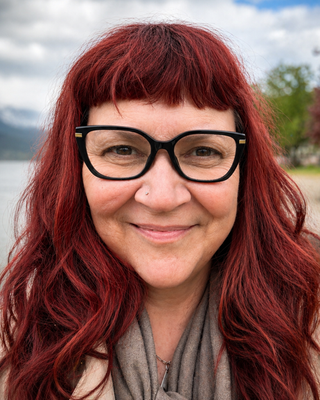
Hosted by Annaruth Britton
Registered Social Worker, BSc, MSW, RCC, RSW
Group meets in Coquitlam, BC V3B
Holding Spaces is a supportive group for families who want to strengthen their home life before things get too hard. Over two weekends, families will explore what they want home to feel like—and how to get there. With one-to-one conversations and group activities (yes, including games, food, and music!), everyone gets a say, from caregivers to kids. You’ll meet other families, learn practical skills, and hopefully share a few laughs along the way. No previous experience with mental health supports needed—just a willingness to show up, share, and grow together.
One Body to Love is an intimate small group program for connecting and trusting your body in a way that works for YOU, all designed to be the last program you will ever need. Ten weeks of uplifting and inspiring step-by-step skills sessions for women who are ready to live without overeating or hating their body, and twice weekly coaching to help you solidify the skills at home. This program is help virtually on Zoom.
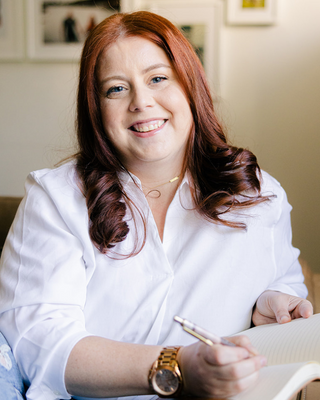
One Body to Love is an intimate small group program for connecting and trusting your body in a way that works for YOU, all designed to be the last program you will ever need. Ten weeks of uplifting and inspiring step-by-step skills sessions for women who are ready to live without overeating or hating their body, and twice weekly coaching to help you solidify the skills at home. This program is help virtually on Zoom.
I offer three monthly online groups for clinical supervision and case consultation to beginning, intermediate and seasoned counselling professionals. See website for dates. My goal is always to support you to feel confident, effective and empowered. I work from a combination of trauma-informed, attachment-based approaches, that combine EMDR, experiential therapies, Motivational Interviewing, Solutions-focused, CBT, and Family Systems, among others. The groups are typically Tuesday and or Thursday evenings from 6-8 PM. Or feel free to suggest a day and time - I am open to hosting new groups upon demand!
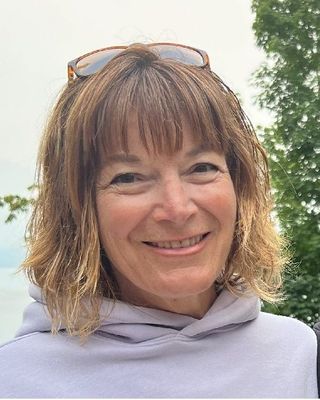
I offer three monthly online groups for clinical supervision and case consultation to beginning, intermediate and seasoned counselling professionals. See website for dates. My goal is always to support you to feel confident, effective and empowered. I work from a combination of trauma-informed, attachment-based approaches, that combine EMDR, experiential therapies, Motivational Interviewing, Solutions-focused, CBT, and Family Systems, among others. The groups are typically Tuesday and or Thursday evenings from 6-8 PM. Or feel free to suggest a day and time - I am open to hosting new groups upon demand!
Mind, Body, Pain Connection Expo June 14th, 2025 @ 10:00am PST How Nervous System Integration Creates Real-Life Peace What if anxiety, burnout, or disconnection weren’t personality flaws, but instead messages being sent by our nervous systems trying to protect us? This talk introduces the concept of nervous system regulation in a grounded, practical way. Contact me for a code applying a $20 discount on the $45 admission.

Mind, Body, Pain Connection Expo June 14th, 2025 @ 10:00am PST How Nervous System Integration Creates Real-Life Peace What if anxiety, burnout, or disconnection weren’t personality flaws, but instead messages being sent by our nervous systems trying to protect us? This talk introduces the concept of nervous system regulation in a grounded, practical way. Contact me for a code applying a $20 discount on the $45 admission.
Have you noticed how easily compassion flows toward others but how hard it can be to offer it to yourself? Do you find that self-criticism gets in the way of feeling connected? The CFT group is an invitation to gently shift that pattern. Over 12 weeks, you’ll learn practical ways to soften your inner voice and reconnect with your natural capacity for kindness. We’ll explore ways to relate to yourself with warmth even in difficulty moments. The orientation session is on Nov. 14. The group is online (January 22 to March 26). facilitated by Denisse and Karolina.

Have you noticed how easily compassion flows toward others but how hard it can be to offer it to yourself? Do you find that self-criticism gets in the way of feeling connected? The CFT group is an invitation to gently shift that pattern. Over 12 weeks, you’ll learn practical ways to soften your inner voice and reconnect with your natural capacity for kindness. We’ll explore ways to relate to yourself with warmth even in difficulty moments. The orientation session is on Nov. 14. The group is online (January 22 to March 26). facilitated by Denisse and Karolina.
Come join our in-person DBT group in Tri-cities, BC (option to join virtually) if you are not able to make it in-person. Great way to learn skills that will help you thrive in your personal and professional life.

Come join our in-person DBT group in Tri-cities, BC (option to join virtually) if you are not able to make it in-person. Great way to learn skills that will help you thrive in your personal and professional life.
Welcome to Westminster House Virtual Recovery Program. Whether you are new to or familiar with recovery, the next eight weeks will take you through a journey of self-discovery. You will learn the fundamentals of a 12 step program and the basis of a 12 step treatment process. You will also be given the tools to learn, grow and stay clean! The only catch is that you get out of this program what you put in, so if you're committed to doing the work, you're in the right place.
Hosted by Westminster House Society for Women
Treatment Centre, CCS-AC
Group meets in New Westminster, BC V3M
Welcome to Westminster House Virtual Recovery Program. Whether you are new to or familiar with recovery, the next eight weeks will take you through a journey of self-discovery. You will learn the fundamentals of a 12 step program and the basis of a 12 step treatment process. You will also be given the tools to learn, grow and stay clean! The only catch is that you get out of this program what you put in, so if you're committed to doing the work, you're in the right place.
Parenting can feel overwhelming when conflicts escalate quickly and emotions run high. If you struggle to stay calm or communicate effectively during tense moments, you’re not alone. From Conflict to Connection is a structured, skills-based group that helps parents manage reactivity, reduce power struggles, and strengthen parent-child connection. Integrating attachment-based, emotionally focused, CBT, Gottman, and trauma-informed approaches, this group supportive, culturally sensitive and offers practical tools for responding with clarity, empathy, and confidence to create a safe space and healthier dynamics at home.

Parenting can feel overwhelming when conflicts escalate quickly and emotions run high. If you struggle to stay calm or communicate effectively during tense moments, you’re not alone. From Conflict to Connection is a structured, skills-based group that helps parents manage reactivity, reduce power struggles, and strengthen parent-child connection. Integrating attachment-based, emotionally focused, CBT, Gottman, and trauma-informed approaches, this group supportive, culturally sensitive and offers practical tools for responding with clarity, empathy, and confidence to create a safe space and healthier dynamics at home.
Does your child struggle with: * Initiating, joining or maintaining a conversation with peers? * Taking on the perspective of others when problem solving? * Increased anxiety in novel social situations? * Making and keeping friends * Handling peer rejection, teasing, bullying, rumors and gossip * Being assertive without being rude/bossy. GET SET. GET SOCIAL! Offers 3 groups. Teachings will be tailored to meet the needs of each group member. Intermediate and Advanced teaching will use PEERS curriculum - an evidenced based treatment. Primary groups will be taught using integrated evidenced based CBT and ABA approaches.

Hosted by Rubina Mangat - SupportedGuidance.com
Counsellor, MA, RCC, NCC, BCBA
Group meets in Port Moody, BC V3H
Does your child struggle with: * Initiating, joining or maintaining a conversation with peers? * Taking on the perspective of others when problem solving? * Increased anxiety in novel social situations? * Making and keeping friends * Handling peer rejection, teasing, bullying, rumors and gossip * Being assertive without being rude/bossy. GET SET. GET SOCIAL! Offers 3 groups. Teachings will be tailored to meet the needs of each group member. Intermediate and Advanced teaching will use PEERS curriculum - an evidenced based treatment. Primary groups will be taught using integrated evidenced based CBT and ABA approaches.
A 20-week virtual DBT-informed group for those struggling with emotion regulation issues and symptoms of trauma. This group teaches the DBT skills of Mindfulness, Interpersonal Effectiveness, Distress Tolerance and Emotion Regulation. We incorporate information on trauma responses and added resources and skills drawn from trauma therapies. The cost is $80/session and $1600 for the whole group. Next group starts October 20th. Email now to secure a spot. FNHA eligibility. Email: info@emotionwise.ca

A 20-week virtual DBT-informed group for those struggling with emotion regulation issues and symptoms of trauma. This group teaches the DBT skills of Mindfulness, Interpersonal Effectiveness, Distress Tolerance and Emotion Regulation. We incorporate information on trauma responses and added resources and skills drawn from trauma therapies. The cost is $80/session and $1600 for the whole group. Next group starts October 20th. Email now to secure a spot. FNHA eligibility. Email: info@emotionwise.ca
Beginning January 12th 2026, this online group will create a safe and supportive space for residents of BC who are struggling with the loss of a pet. This accessible & low-cost group will aim to provide support, psychoeducation, and community. While this a drop-in model (no commitment is required), participants will still need to register and have a brief intake session to make sure the group is a fit for them. Please reach out to set up a free, 15 minute virtual consultation to get started.

Beginning January 12th 2026, this online group will create a safe and supportive space for residents of BC who are struggling with the loss of a pet. This accessible & low-cost group will aim to provide support, psychoeducation, and community. While this a drop-in model (no commitment is required), participants will still need to register and have a brief intake session to make sure the group is a fit for them. Please reach out to set up a free, 15 minute virtual consultation to get started.
This is a 11-week program made up of 5 weeks of residential in-patient treatment followed by 6 weeks of Post-Treatment Support. Clients participate in individual and group therapy, cardiovascular activities, yoga and mindfulness, nutrition coaching, and psychoeducational sessions.

Hosted by PTSD & Traumatic Stress Recovery Program
Treatment Centre, PhD, MSW, MEd, BSW
Group meets in Kelowna, BC V1Y
This is a 11-week program made up of 5 weeks of residential in-patient treatment followed by 6 weeks of Post-Treatment Support. Clients participate in individual and group therapy, cardiovascular activities, yoga and mindfulness, nutrition coaching, and psychoeducational sessions.
A biopsychosocial spiritual approach to uncovering the feelings behind anger and learn to transform them into productive actions. Sacred Rage is a unique, in-person workshop designed just for women to explore emotions through art. No experience needed—bring your passion and open heart. Connect, create, and heal in a supportive space where your voice matters. Each session will include a brief guided introduction, creative art-making, and a group discussion to reflect on personal insights and shared experiences. All materials are provided.

A biopsychosocial spiritual approach to uncovering the feelings behind anger and learn to transform them into productive actions. Sacred Rage is a unique, in-person workshop designed just for women to explore emotions through art. No experience needed—bring your passion and open heart. Connect, create, and heal in a supportive space where your voice matters. Each session will include a brief guided introduction, creative art-making, and a group discussion to reflect on personal insights and shared experiences. All materials are provided.
Beginning October 26, 2026. This is a 6 session, mixed group for clients seeking a contained, mindful, and supportive space to practice self inquiry, relationship to self, inner confidence and value, and purpose. Participants will have lots of practice time in the groups through a variety of exercises and guided processes to support the above. Expect mindfulness tools, practices, partnered exercises, and group discussion/sharing. If you're looking for a supportive, contained, and intentional group to explore and deepen your relationship to yourself and your life, this could be for you.

Beginning October 26, 2026. This is a 6 session, mixed group for clients seeking a contained, mindful, and supportive space to practice self inquiry, relationship to self, inner confidence and value, and purpose. Participants will have lots of practice time in the groups through a variety of exercises and guided processes to support the above. Expect mindfulness tools, practices, partnered exercises, and group discussion/sharing. If you're looking for a supportive, contained, and intentional group to explore and deepen your relationship to yourself and your life, this could be for you.
Experiential process work to integrate spiritual insights - online group therapy. 90min x 8 group sessions = $260 USD. Integration is what happens after the spiritual insight. It's the actual work where we embody our insights. I invite you to an experiential group process in a small group (5-8 participants), where we meet weekly for 8 sessions (each session is 90min) to explore what it is to integrate spiritual insights. Please send me an e-mail to see if this group is the right fit for you.

Experiential process work to integrate spiritual insights - online group therapy. 90min x 8 group sessions = $260 USD. Integration is what happens after the spiritual insight. It's the actual work where we embody our insights. I invite you to an experiential group process in a small group (5-8 participants), where we meet weekly for 8 sessions (each session is 90min) to explore what it is to integrate spiritual insights. Please send me an e-mail to see if this group is the right fit for you.
The Healing Anger Groups for Women are now held online and are 6 weeks long. By the end of the workshop, participants can expect to: 1. Understand the physiology of intense emotions. 2. Get insight on their specific triggers. 3. Relate better to difficult emotions by exploring how to manage them in an assertive way. 4. Have a taste of emotional intimacy, so that difficult emotions have the potential not to hurt, but to feed your relationships. 5. Understand the patterns and effects of abuse, and how to prevent it.

The Healing Anger Groups for Women are now held online and are 6 weeks long. By the end of the workshop, participants can expect to: 1. Understand the physiology of intense emotions. 2. Get insight on their specific triggers. 3. Relate better to difficult emotions by exploring how to manage them in an assertive way. 4. Have a taste of emotional intimacy, so that difficult emotions have the potential not to hurt, but to feed your relationships. 5. Understand the patterns and effects of abuse, and how to prevent it.
VPC is pleased to offer an evidence-based, fun group experience to help ease anxiety in kids. In a friendly environment, this will help members to 'get' what anxiety is all about + will teach skills to overcome anxiety. Educating kids to be in charge of their thoughts with a focus on understanding the cycle of anxiety thoughts, feelings, and behaviours. Mastering simple + fun Mindfulness and Cognitive-Behavioural skills to squash anxiety. Next group: Fall 2020. $395 /child for 10-hours of programming www. vancouverpsychologycentre.com /resilient-minds-kids-anxiety-group/
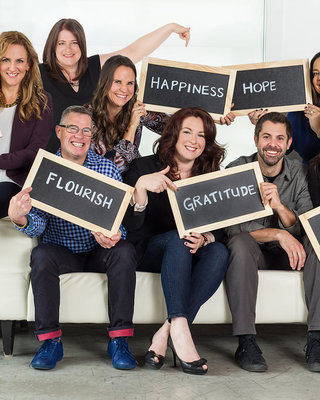
Hosted by Vancouver Psychology Centre
Psychologist, PsyDs, PhDs, RCCs, BCATR, CCC
Group meets in Vancouver, BC V5Y
VPC is pleased to offer an evidence-based, fun group experience to help ease anxiety in kids. In a friendly environment, this will help members to 'get' what anxiety is all about + will teach skills to overcome anxiety. Educating kids to be in charge of their thoughts with a focus on understanding the cycle of anxiety thoughts, feelings, and behaviours. Mastering simple + fun Mindfulness and Cognitive-Behavioural skills to squash anxiety. Next group: Fall 2020. $395 /child for 10-hours of programming www. vancouverpsychologycentre.com /resilient-minds-kids-anxiety-group/
See more therapy options for V0X

FAQs - About Group Therapy and Support Groups
How can I find a support group in V0X?
To find a support group in your area, start by entering your city, postal code, or the name of the group into the search bar at the top of the page. When searching, consider whether you prefer an in-person or virtual group. This can help you decide how broad your geographic search should be. If you are open to virtual groups, you might want to search by state instead of just your city, especially if there are limited options nearby.
Once you complete your search, you can use the filters to narrow the results by selecting specialties (such as grief, trauma, or eating disorders), therapeutic approaches, age groups, and other criteria to find a group that best fits your needs.
How does group therapy work?
Group therapy is led by one or more trained therapists and provides a space where participants can process their experiences and learn from others facing similar challenges. Groups may focus on a specific issue—such as addiction, grief, physical illnesses, parenting, or caregiving—or they may center around a particular therapeutic approach, such as Cognitive Behavioural Therapy (CBT), social skill development, or Exposure Therapy. Some groups are also designed for specific populations, such as teens, veterans, or LGBTQ+ individuals.
It’s also important to distinguish group therapy from peer-led support groups, like Alcoholics Anonymous. While both can offer valuable support, therapy groups are typically led by licensed professionals and follow a more structured format. Therapy groups often meet for a fixed length of time with a consistent group of members, while many peer support groups meet for an indefinite period of time with members coming and going.
What are the benefits of group therapy?
Group therapy offers several important benefits. It brings together people facing similar challenges—whether related to mental health, physical health, or life transitions—and creates a supportive environment where participants can exchange feedback, share experiences, and learn from one another. Hearing different perspectives can help individuals discover new coping strategies and practical tools they may not have encountered on their own. Sharing personal experiences, such as coping with a serious illness or navigating family struggles, can also reduce feelings of isolation and foster a sense of connection and understanding. In addition to emotional support, group members often gain useful, real-world advice from peers who have faced similar situations.
Group therapy is typically more affordable than individual therapy and, for certain conditions, can be equally effective. Many groups also include structured activities—such as guided journaling, cognitive-behavioural exercises, or role-playing—to help participants develop concrete skills they can apply in daily life.
Is group therapy as effective as individual therapy?
It is difficult to make a blanket statement about the effectiveness of support groups, as they vary widely in focus and the conditions they address. However, support groups can be highly valuable in helping individuals gain emotional support and achieve meaningful treatment outcomes. For certain conditions, such as substance use, research has shown that group therapy can be particularly effective—sometimes just as effective as individual therapy—in supporting long-term recovery.
Many professionals attribute the effectiveness of group therapy to the unique benefits of the group setting, which fosters peer-to-peer learning and a sense of connection through shared experiences. Group settings also offer accountability and encouragement from both facilitators and fellow participants, which helps sustain motivation and supports continued progress. These factors together play a key role in promoting the overall effectiveness of group therapy.
How much does group therapy cost?
Group therapy is typically less expensive than individual therapy, with sessions typically costing between $90 and $100 each. In comparison, individual therapy can cost anywhere from $100 to $200 or more per session, even with insurance. Some therapists or organisations offer low-cost or free group therapy options, particularly through community centers or non-profit organisations. In some cases, groups may require payment upfront for a set number of sessions, such as paying for six weekly sessions at the first meeting. However, many providers offer payment plans to help make participation more accessible if this upfront payment is required.
Does insurance cover group therapy?
If you have private insurance, your plan may cover some if not all of your group therapy sessions. You should contact your insurance provider to determine if they provide coverage for group therapy sessions and to determine what, if any, requirements they might have in order for your sessions to be covered, such as a referral from your GP or medical specialist.
How long does group therapy last?
The length of each group therapy session typically ranges from 45 minutes to two hours, depending on the therapy approach, the group’s goals, and how often the group meets. In some cases, group therapy is part of a larger treatment program, such as an Intensive Outpatient Program (IOP), where group sessions complement individual therapy and are scheduled as part of the program’s overall structure.
The duration of participation in a group also varies. Some groups are designed to be short-term, lasting anywhere from 6 to 24 weeks—for example, bereavement groups or skills-based groups like those using Dialectical Behavioural Therapy (DBT). Other groups may be longer-term, lasting a year or more, and some ongoing support groups meet indefinitely, allowing participants to stay as long as they find the group helpful.
What are the limitations of support groups?
Support groups offer many benefits, but they also have certain limitations. Unlike therapy groups, many support groups do not provide formal therapeutic treatment and are not led by licensed mental health professionals. For individuals seeking clinical treatment for specific mental health diagnoses—such as depression, eating disorders, or substance use—individual therapy or group therapy led by a licensed professional may offer more personalised and specialised care.
The effectiveness of a support group also depends heavily on the group’s participants and the overall group dynamic. When members engage respectfully and offer constructive support, the group can foster valuable peer-to-peer learning. However, if certain participants dominate discussions, provide inaccurate advice, or create conflict, it can disrupt the group’s sense of safety and reduce its effectiveness. Confidentiality can also be harder to maintain in support groups, particularly in open groups where participants can join or leave at any time. With new members regularly entering the group, it can be more difficult to build and sustain a consistent sense of trust and privacy.