Support Groups in Westmount, QC
We are a diverse group of therapists and psychologists who put cultural diversity and humanistic values at the center of our approach to psychotherapy. We work with children and adults who struggle with a variety of mental health challenges ranging from mood disorders to traumatic events (such as childhood trauma, PTSD, grief, major life stressors, breakups, life transitions, and loss of job. We offer parental coaching and play-therapy to help parents and children manage oppositional or aggressive behaviors as well as attention deficit or hyperactivity. We believe that mental health care should be accessible, culturally sensitive, and deeply human.

We are a diverse group of therapists and psychologists who put cultural diversity and humanistic values at the center of our approach to psychotherapy. We work with children and adults who struggle with a variety of mental health challenges ranging from mood disorders to traumatic events (such as childhood trauma, PTSD, grief, major life stressors, breakups, life transitions, and loss of job. We offer parental coaching and play-therapy to help parents and children manage oppositional or aggressive behaviors as well as attention deficit or hyperactivity. We believe that mental health care should be accessible, culturally sensitive, and deeply human.
Mindsession is a diverse group of therapists and psychologists who put cultural diversity and humanistic values at the center of our approach to psychotherapy. We work with children and adults who struggle with a variety of mental health challenges ranging from mood disorders to traumatic events (such as childhood trauma, PTSD, grief, major life stressors, breakups, life transitions, and loss of job. We offer parental coaching and play-therapy to help parents and children manage oppositional or aggressive behaviors as well as attention deficit or hyperactivity. We believe that mental health care should be accessible, culturally sensitive, and deeply human.

Mindsession is a diverse group of therapists and psychologists who put cultural diversity and humanistic values at the center of our approach to psychotherapy. We work with children and adults who struggle with a variety of mental health challenges ranging from mood disorders to traumatic events (such as childhood trauma, PTSD, grief, major life stressors, breakups, life transitions, and loss of job. We offer parental coaching and play-therapy to help parents and children manage oppositional or aggressive behaviors as well as attention deficit or hyperactivity. We believe that mental health care should be accessible, culturally sensitive, and deeply human.
Mindsession is a diverse group of therapists and psychologists who put cultural diversity and humanistic values at the center of our approach to psychotherapy. We work with children and adults who struggle with a variety of mental health challenges ranging from mood disorders to traumatic events (such as childhood trauma, PTSD, grief, major life stressors, breakups, life transitions, and loss of job. We offer parental coaching and play-therapy to help parents and children manage oppositional or aggressive behaviors as well as attention deficit or hyperactivity. We believe that mental health care should be accessible, culturally sensitive, and deeply human.

Mindsession is a diverse group of therapists and psychologists who put cultural diversity and humanistic values at the center of our approach to psychotherapy. We work with children and adults who struggle with a variety of mental health challenges ranging from mood disorders to traumatic events (such as childhood trauma, PTSD, grief, major life stressors, breakups, life transitions, and loss of job. We offer parental coaching and play-therapy to help parents and children manage oppositional or aggressive behaviors as well as attention deficit or hyperactivity. We believe that mental health care should be accessible, culturally sensitive, and deeply human.
I have a sub-specialty in the psychology of sports and business. I have been the Montreal psychologist for the joint NHL-NHL Players’ Association and MLS for over twenty years. In addition, as a member of the Society of Industrial and Organizational Psychologists, I have consulted to a variety of SME’s and C-level executives across Canada

I have a sub-specialty in the psychology of sports and business. I have been the Montreal psychologist for the joint NHL-NHL Players’ Association and MLS for over twenty years. In addition, as a member of the Society of Industrial and Organizational Psychologists, I have consulted to a variety of SME’s and C-level executives across Canada
This group is for women who are seeking a safe space to explore their sexuality with the intent of inviting enjoyment and ease in their intimate relationship either with themselves or another.

This group is for women who are seeking a safe space to explore their sexuality with the intent of inviting enjoyment and ease in their intimate relationship either with themselves or another.
We, as humans, struggle so frequently with issues related to self-esteem. Most of us question whether we are worthy, competent, and lovable. I would like to create a safe space to bring together a small group of individuals to explore these concerns in the context of acceptance and non-judgement.

We, as humans, struggle so frequently with issues related to self-esteem. Most of us question whether we are worthy, competent, and lovable. I would like to create a safe space to bring together a small group of individuals to explore these concerns in the context of acceptance and non-judgement.
Mindsession is a diverse group of therapists and psychologists who put cultural diversity and humanistic values at the center of our approach to psychotherapy. We work with children and adults who struggle with a variety of mental health challenges ranging from mood disorders to traumatic events (such as childhood trauma, PTSD, grief, major life stressors, breakups, life transitions, and loss of job. We offer parental coaching and play-therapy to help parents and children manage oppositional or aggressive behaviors as well as attention deficit or hyperactivity. We believe that mental health care should be accessible, culturally sensitive, and deeply human.

Mindsession is a diverse group of therapists and psychologists who put cultural diversity and humanistic values at the center of our approach to psychotherapy. We work with children and adults who struggle with a variety of mental health challenges ranging from mood disorders to traumatic events (such as childhood trauma, PTSD, grief, major life stressors, breakups, life transitions, and loss of job. We offer parental coaching and play-therapy to help parents and children manage oppositional or aggressive behaviors as well as attention deficit or hyperactivity. We believe that mental health care should be accessible, culturally sensitive, and deeply human.
Mindsession is a diverse group of therapists and psychologists who put cultural diversity and humanistic values at the center of our approach to psychotherapy. We work with children and adults who struggle with a variety of mental health challenges ranging from mood disorders to traumatic events (such as childhood trauma, PTSD, grief, major life stressors, breakups, life transitions, and loss of job. We offer parental coaching and play-therapy to help parents and children manage oppositional or aggressive behaviors as well as attention deficit or hyperactivity. We believe that mental health care should be accessible, culturally sensitive, and deeply human.

Mindsession is a diverse group of therapists and psychologists who put cultural diversity and humanistic values at the center of our approach to psychotherapy. We work with children and adults who struggle with a variety of mental health challenges ranging from mood disorders to traumatic events (such as childhood trauma, PTSD, grief, major life stressors, breakups, life transitions, and loss of job. We offer parental coaching and play-therapy to help parents and children manage oppositional or aggressive behaviors as well as attention deficit or hyperactivity. We believe that mental health care should be accessible, culturally sensitive, and deeply human.
More Groups Nearby
These eight-week seminars are based on material developed over many years of
providing couple enhancement training with the Sex and Couple Therapy Service of the Psychology Department (McGill University Health Centre - Royal Victoria Hospital).
The focus is on creating a relaxed "user-friendly" environment and an enjoyable process of both self-examination and greater relationship awareness.
Sessions are focused on the psychology of attraction, love, anger and conflict resolution, communication, emotional intimacy, physical intimacy and spiritual growth.
Meetings are held in a relaxed atmosphere and provides an effective and inspiring way to gain insight into oneself and one's "couplehood".
All people can experience lasting impacts of having been in unsafe or uncomfortable situations. You shouldn't have to deal with those lasting impacts all on your own - it's crucial to be with others and to feel supported! L'Annexe is once again offering a group specifically designed to outfit young adults with tools that can help them better cope & connect with others. This 6-week group led by Creative Arts Therapist Bailey Carter (in English) will focus on: Increasing feelings of confidence, Learning coping skills for anxiety, Making connections with others, and Increasing self esteem.

All people can experience lasting impacts of having been in unsafe or uncomfortable situations. You shouldn't have to deal with those lasting impacts all on your own - it's crucial to be with others and to feel supported! L'Annexe is once again offering a group specifically designed to outfit young adults with tools that can help them better cope & connect with others. This 6-week group led by Creative Arts Therapist Bailey Carter (in English) will focus on: Increasing feelings of confidence, Learning coping skills for anxiety, Making connections with others, and Increasing self esteem.
This group is Drama Therapy based, we work with improvisation, Playback Theatre and other drama techniques to help with all kinds of issues. There is a screening interview, this is a medium to long-term group.

This group is Drama Therapy based, we work with improvisation, Playback Theatre and other drama techniques to help with all kinds of issues. There is a screening interview, this is a medium to long-term group.
Art therapy group for parents and babies allows a unique space to connect with the new family member and yourself as a parent through art, image, and movement. In the group sessions, we will address the new challenges and sensations, allowing the new parents to express, share and connect. The group is open to babies or parents of any gender.

Hosted by Irina Poliakov Veronneau
Registered Social Worker, MA, BSW, CATA, OTSTCFQ
Group meets in Montréal, QC H2G
Art therapy group for parents and babies allows a unique space to connect with the new family member and yourself as a parent through art, image, and movement. In the group sessions, we will address the new challenges and sensations, allowing the new parents to express, share and connect. The group is open to babies or parents of any gender.
The Men's Emotional Support Group provides a confidential and non-judgmental space where young and older adult men can come together to discuss mental health, share experiences, and lend support to one another. We understand that the journey of being a man in today's world comes with its own set of challenges, and this group aims to address those challenges openly and constructively. Important to note that this is a trans-inclusive space.

The Men's Emotional Support Group provides a confidential and non-judgmental space where young and older adult men can come together to discuss mental health, share experiences, and lend support to one another. We understand that the journey of being a man in today's world comes with its own set of challenges, and this group aims to address those challenges openly and constructively. Important to note that this is a trans-inclusive space.
The ABC Support Group is an 8-week support group for women experiencing postpartum challenges. We meet on a weekly basis for 1-1/2 hours to provide tools, techniques and psychological support in a safe and collaborative space. Some of the topics covered are: motherhood myths & expectations; self-care; partnering in parenting; and dealing with anger and anxiety. The total cost for all 8 meetings is $400, payable in two equal payments, and the time of the group will be adapted according to participants' availability.

The ABC Support Group is an 8-week support group for women experiencing postpartum challenges. We meet on a weekly basis for 1-1/2 hours to provide tools, techniques and psychological support in a safe and collaborative space. Some of the topics covered are: motherhood myths & expectations; self-care; partnering in parenting; and dealing with anger and anxiety. The total cost for all 8 meetings is $400, payable in two equal payments, and the time of the group will be adapted according to participants' availability.
This group is designed to provide a safe, supportive, and understanding environment for individuals who experience social anxiety. ? Together, we will learn coping skills and strategies, share experiences in a safe, judgment-free space, build confidence in social situations and practice tools for managing anxiety in everyday life.

This group is designed to provide a safe, supportive, and understanding environment for individuals who experience social anxiety. ? Together, we will learn coping skills and strategies, share experiences in a safe, judgment-free space, build confidence in social situations and practice tools for managing anxiety in everyday life.
A 14-week social skills building program meeting for 1 hour weekly. There are 3 different group options based on age: ages 12-15, 16-19, 20-26, and 27+. The group teaches essential social skills including conversation skills, electronic communication, appropriate humor, making and keeping friends, organizing get-togethers, and handling interpersonal conflict, teasing, and rejection. Sessions include didactic instruction, role-playing, behavioral rehearsal, and homework assignments for real-world practice. The program begins with a parent session/individual session (depending on the age group) to better understand the individual and concludes with a parent/individual feedback session.

Hosted by Maria Morais
Registered Psychotherapist, CRPO, CCC, MACP, BAH
Group meets in Montréal, QC H2W
A 14-week social skills building program meeting for 1 hour weekly. There are 3 different group options based on age: ages 12-15, 16-19, 20-26, and 27+. The group teaches essential social skills including conversation skills, electronic communication, appropriate humor, making and keeping friends, organizing get-togethers, and handling interpersonal conflict, teasing, and rejection. Sessions include didactic instruction, role-playing, behavioral rehearsal, and homework assignments for real-world practice. The program begins with a parent session/individual session (depending on the age group) to better understand the individual and concludes with a parent/individual feedback session.
is the progression of the infamous Salt n Peppa song “Let’s Talk About Sex Baby.” Exchange, learn and share how we connect in our intimate and sex lives beyond words with a vibrant, non-judgmental bilingual community online. Part 1: exchange free and Part 2: mini art therapy course.

is the progression of the infamous Salt n Peppa song “Let’s Talk About Sex Baby.” Exchange, learn and share how we connect in our intimate and sex lives beyond words with a vibrant, non-judgmental bilingual community online. Part 1: exchange free and Part 2: mini art therapy course.
Purpose: Helping kids 8-12 with managing anxiety using discussions, role plays, games, home exercises , transferable skills, individually tailored interventions all within a supportive group environment. Therapeutic Modality: Narrative; Solution Focused and Play therapy, as well as CBT techniques. Start date: March 7-April 18, 2020. Sessions: Introduction: What is anxiety? What is fear? What is worry? Naming Our Anxiety: How does the environment impact our emotions? Externalizing anxiety to be able to view anxiety from different angles How do others impact my anxiety? Anxiety and Me (Role Plays): Self-talk (stinking thinking) Becoming unstuck.

Hosted by Jodie Thompson
Registered Psychotherapist, SCC, PSW/TS, TCF, CMFT, MSc
Group meets in Vaudreuil-Dorion, QC J7V
Purpose: Helping kids 8-12 with managing anxiety using discussions, role plays, games, home exercises , transferable skills, individually tailored interventions all within a supportive group environment. Therapeutic Modality: Narrative; Solution Focused and Play therapy, as well as CBT techniques. Start date: March 7-April 18, 2020. Sessions: Introduction: What is anxiety? What is fear? What is worry? Naming Our Anxiety: How does the environment impact our emotions? Externalizing anxiety to be able to view anxiety from different angles How do others impact my anxiety? Anxiety and Me (Role Plays): Self-talk (stinking thinking) Becoming unstuck.
"Creating Resiliency Together" is an 8 week art therapy group held in-person for women and non-binary/gender expansive folks who have survived sexual abuse/violence. Guided through creative directives, participants will explore, express, and move complex emotions and experiences they have been holding. Sharing at own pace with no pressure to disclose. This group is for self connection while also connecting to a sense of solidarity, relating, and compassion amongst other group members. Dates TBD. For more info and intake process to be put on the wait list for next upcoming group: lindsay.clarke.at@gmail.com
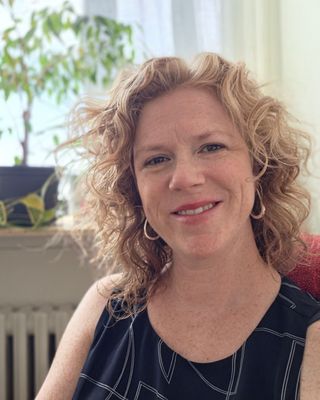
"Creating Resiliency Together" is an 8 week art therapy group held in-person for women and non-binary/gender expansive folks who have survived sexual abuse/violence. Guided through creative directives, participants will explore, express, and move complex emotions and experiences they have been holding. Sharing at own pace with no pressure to disclose. This group is for self connection while also connecting to a sense of solidarity, relating, and compassion amongst other group members. Dates TBD. For more info and intake process to be put on the wait list for next upcoming group: lindsay.clarke.at@gmail.com
Anxiety is the most common of all childhood disorders, affecting up to 20% of children; many continue to suffer all their lives. Our 10-week programs for children, teens and adults use cognitive behavioural (CBT) techniques, mindfulness meditation and other evidence-based treatment methods. Let us help you stop worrying and start living!

Anxiety is the most common of all childhood disorders, affecting up to 20% of children; many continue to suffer all their lives. Our 10-week programs for children, teens and adults use cognitive behavioural (CBT) techniques, mindfulness meditation and other evidence-based treatment methods. Let us help you stop worrying and start living!
See more therapy options for Westmount


FAQs - About Group Therapy and Support Groups
How can I find a support group in Westmount?
To find a support group in your area, start by entering your city, postal code, or the name of the group into the search bar at the top of the page. When searching, consider whether you prefer an in-person or virtual group. This can help you decide how broad your geographic search should be. If you are open to virtual groups, you might want to search by state instead of just your city, especially if there are limited options nearby.
Once you complete your search, you can use the filters to narrow the results by selecting specialties (such as grief, trauma, or eating disorders), therapeutic approaches, age groups, and other criteria to find a group that best fits your needs.
Once you complete your search, you can use the filters to narrow the results by selecting specialties (such as grief, trauma, or eating disorders), therapeutic approaches, age groups, and other criteria to find a group that best fits your needs.
How does group therapy work?
Group therapy is led by one or more trained therapists and provides a space where participants can process their experiences and learn from others facing similar challenges. Groups may focus on a specific issue—such as addiction, grief, physical illnesses, parenting, or caregiving—or they may center around a particular therapeutic approach, such as Cognitive Behavioural Therapy (CBT), social skill development, or Exposure Therapy. Some groups are also designed for specific populations, such as teens, veterans, or LGBTQ+ individuals.
It’s also important to distinguish group therapy from peer-led support groups, like Alcoholics Anonymous. While both can offer valuable support, therapy groups are typically led by licensed professionals and follow a more structured format. Therapy groups often meet for a fixed length of time with a consistent group of members, while many peer support groups meet for an indefinite period of time with members coming and going.
It’s also important to distinguish group therapy from peer-led support groups, like Alcoholics Anonymous. While both can offer valuable support, therapy groups are typically led by licensed professionals and follow a more structured format. Therapy groups often meet for a fixed length of time with a consistent group of members, while many peer support groups meet for an indefinite period of time with members coming and going.
What are the benefits of group therapy?
Group therapy offers several important benefits. It brings together people facing similar challenges—whether related to mental health, physical health, or life transitions—and creates a supportive environment where participants can exchange feedback, share experiences, and learn from one another. Hearing different perspectives can help individuals discover new coping strategies and practical tools they may not have encountered on their own. Sharing personal experiences, such as coping with a serious illness or navigating family struggles, can also reduce feelings of isolation and foster a sense of connection and understanding. In addition to emotional support, group members often gain useful, real-world advice from peers who have faced similar situations.
Group therapy is typically more affordable than individual therapy and, for certain conditions, can be equally effective. Many groups also include structured activities—such as guided journaling, cognitive-behavioural exercises, or role-playing—to help participants develop concrete skills they can apply in daily life.
Group therapy is typically more affordable than individual therapy and, for certain conditions, can be equally effective. Many groups also include structured activities—such as guided journaling, cognitive-behavioural exercises, or role-playing—to help participants develop concrete skills they can apply in daily life.
Is group therapy as effective as individual therapy?
It is difficult to make a blanket statement about the effectiveness of support groups, as they vary widely in focus and the conditions they address. However, support groups can be highly valuable in helping individuals gain emotional support and achieve meaningful treatment outcomes. For certain conditions, such as substance use, research has shown that group therapy can be particularly effective—sometimes just as effective as individual therapy—in supporting long-term recovery.
Many professionals attribute the effectiveness of group therapy to the unique benefits of the group setting, which fosters peer-to-peer learning and a sense of connection through shared experiences. Group settings also offer accountability and encouragement from both facilitators and fellow participants, which helps sustain motivation and supports continued progress. These factors together play a key role in promoting the overall effectiveness of group therapy.
Many professionals attribute the effectiveness of group therapy to the unique benefits of the group setting, which fosters peer-to-peer learning and a sense of connection through shared experiences. Group settings also offer accountability and encouragement from both facilitators and fellow participants, which helps sustain motivation and supports continued progress. These factors together play a key role in promoting the overall effectiveness of group therapy.
How much does group therapy cost?
Group therapy is typically less expensive than individual therapy, with sessions typically costing between $90 and $100 each. In comparison, individual therapy can cost anywhere from $100 to $200 or more per session, even with insurance. Some therapists or organisations offer low-cost or free group therapy options, particularly through community centers or non-profit organisations. In some cases, groups may require payment upfront for a set number of sessions, such as paying for six weekly sessions at the first meeting. However, many providers offer payment plans to help make participation more accessible if this upfront payment is required.
Does insurance cover group therapy?
If you have private insurance, your plan may cover some if not all of your group therapy sessions. You should contact your insurance provider to determine if they provide coverage for group therapy sessions and to determine what, if any, requirements they might have in order for your sessions to be covered, such as a referral from your GP or medical specialist.
How long does group therapy last?
The length of each group therapy session typically ranges from 45 minutes to two hours, depending on the therapy approach, the group’s goals, and how often the group meets. In some cases, group therapy is part of a larger treatment program, such as an Intensive Outpatient Program (IOP), where group sessions complement individual therapy and are scheduled as part of the program’s overall structure.
The duration of participation in a group also varies. Some groups are designed to be short-term, lasting anywhere from 6 to 24 weeks—for example, bereavement groups or skills-based groups like those using Dialectical Behavioural Therapy (DBT). Other groups may be longer-term, lasting a year or more, and some ongoing support groups meet indefinitely, allowing participants to stay as long as they find the group helpful.
The duration of participation in a group also varies. Some groups are designed to be short-term, lasting anywhere from 6 to 24 weeks—for example, bereavement groups or skills-based groups like those using Dialectical Behavioural Therapy (DBT). Other groups may be longer-term, lasting a year or more, and some ongoing support groups meet indefinitely, allowing participants to stay as long as they find the group helpful.
What are the limitations of support groups?
Support groups offer many benefits, but they also have certain limitations. Unlike therapy groups, many support groups do not provide formal therapeutic treatment and are not led by licensed mental health professionals. For individuals seeking clinical treatment for specific mental health diagnoses—such as depression, eating disorders, or substance use—individual therapy or group therapy led by a licensed professional may offer more personalised and specialised care.
The effectiveness of a support group also depends heavily on the group’s participants and the overall group dynamic. When members engage respectfully and offer constructive support, the group can foster valuable peer-to-peer learning. However, if certain participants dominate discussions, provide inaccurate advice, or create conflict, it can disrupt the group’s sense of safety and reduce its effectiveness. Confidentiality can also be harder to maintain in support groups, particularly in open groups where participants can join or leave at any time. With new members regularly entering the group, it can be more difficult to build and sustain a consistent sense of trust and privacy.
The effectiveness of a support group also depends heavily on the group’s participants and the overall group dynamic. When members engage respectfully and offer constructive support, the group can foster valuable peer-to-peer learning. However, if certain participants dominate discussions, provide inaccurate advice, or create conflict, it can disrupt the group’s sense of safety and reduce its effectiveness. Confidentiality can also be harder to maintain in support groups, particularly in open groups where participants can join or leave at any time. With new members regularly entering the group, it can be more difficult to build and sustain a consistent sense of trust and privacy.