Support Groups in Bowmanville, ON
Occasionally experiencing anxiety is not unusual; however, extreme or prolonged anxiety can produce negative impacts on mental, physical, and emotional health. Anxiety can also negatively influence the ability to maintain routines and function effectively in social and academic environments. Teens may experience feelings of increased tension and stress, irrational/excessive fear, repetitive thoughts, avoidance behaviours, overwhelm, and/or feelings of disconnection. The purpose of this group is to provide a safe and supportive space for teens looking to learn more about the factors sustaining their anxiety and to consider strategies for managing it. Please email us for more information.

Hosted by Julie Watson
Registered Psychotherapist, MACP, EMDR, B Ed, BA Hons
Group meets in Bowmanville, ON L1C
Occasionally experiencing anxiety is not unusual; however, extreme or prolonged anxiety can produce negative impacts on mental, physical, and emotional health. Anxiety can also negatively influence the ability to maintain routines and function effectively in social and academic environments. Teens may experience feelings of increased tension and stress, irrational/excessive fear, repetitive thoughts, avoidance behaviours, overwhelm, and/or feelings of disconnection. The purpose of this group is to provide a safe and supportive space for teens looking to learn more about the factors sustaining their anxiety and to consider strategies for managing it. Please email us for more information.
This group therapy initiative provides the opportunity for autistic young adults (17-24 years old) to build social skills while developing connections with others, learn and grow coping strategies to help with stress management and anxiety, and improve self-advocacy skills.
Hosted by Julie Watson
Registered Psychotherapist, MACP, EMDR, B Ed, BA Hons
Group meets in Bowmanville, ON L1C
This group therapy initiative provides the opportunity for autistic young adults (17-24 years old) to build social skills while developing connections with others, learn and grow coping strategies to help with stress management and anxiety, and improve self-advocacy skills.
Living with anxiety often feels like carrying an invisible, exhausting weight that the rest of the world can't see. It isn't just "worrying too much" or feeling stressed about a busy schedule; it is a constant, hyper-vigilant alarm system in the mind and body that refuses to turn off, even when everything around you is completely safe. Join a supportive, confidential group designed to help you understand anxiety, build coping strategies, and feel more in control.
Hosted by Julie Watson
Registered Psychotherapist, MACP, EMDR, B Ed, BA Hons
Group meets in Bowmanville, ON L1C
Living with anxiety often feels like carrying an invisible, exhausting weight that the rest of the world can't see. It isn't just "worrying too much" or feeling stressed about a busy schedule; it is a constant, hyper-vigilant alarm system in the mind and body that refuses to turn off, even when everything around you is completely safe. Join a supportive, confidential group designed to help you understand anxiety, build coping strategies, and feel more in control.

More Groups Nearby
Using visualization, guided meditation and breathing techniques, connect with your inner self to understand the source of your obstacles and provide what you truly need. Share feedback and engage in community support to strengthen resilience, understanding and compassion for self and other. Heal The Source, Heal the World!

Using visualization, guided meditation and breathing techniques, connect with your inner self to understand the source of your obstacles and provide what you truly need. Share feedback and engage in community support to strengthen resilience, understanding and compassion for self and other. Heal The Source, Heal the World!
My name is Nicola Forde and I provide a culturally responsive and anti-oppressive therapeutic space where vulnerability is recognized as a strength and a key to healing and connection. With over 25 years of social work experience, I have supported individuals facing anxiety, depression, stress, life transitions, relationship challenges, caregiver burnout, grief, and systemic barriers. My approach is warm, client-centered, and solution-focused, integrating evidence-based modalities. The journey of life is sometimes filled with challenges. I look forward to supporting you on that journey.

My name is Nicola Forde and I provide a culturally responsive and anti-oppressive therapeutic space where vulnerability is recognized as a strength and a key to healing and connection. With over 25 years of social work experience, I have supported individuals facing anxiety, depression, stress, life transitions, relationship challenges, caregiver burnout, grief, and systemic barriers. My approach is warm, client-centered, and solution-focused, integrating evidence-based modalities. The journey of life is sometimes filled with challenges. I look forward to supporting you on that journey.
PCSG will be offering Dialectical Behaviour Therapy (DBT) Skills group therapy for Adult individuals 18 years and older with emotion regulation difficulties. There are four modules which consist of 5 weekly sessions each: Distress Tolerance, Walking the Middle Path, Emotion Regulation and Interpersonal Effectiveness. Participants must sign up at the start of each module. Please contact intake to be added to our waitlist. Once dates are confirmed, the group will begin the pre-screening process. A DBT Skills Manual is required for these group sessions.

PCSG will be offering Dialectical Behaviour Therapy (DBT) Skills group therapy for Adult individuals 18 years and older with emotion regulation difficulties. There are four modules which consist of 5 weekly sessions each: Distress Tolerance, Walking the Middle Path, Emotion Regulation and Interpersonal Effectiveness. Participants must sign up at the start of each module. Please contact intake to be added to our waitlist. Once dates are confirmed, the group will begin the pre-screening process. A DBT Skills Manual is required for these group sessions.
Mastering Emotions is an 8-week therapy group for men who want to better understand and manage their emotions rather than feeling controlled by them. Through practical discussions, evidence-based strategies, and peer support, you'll learn how to recognize emotional triggers, regulate intense emotions, communicate more effectively, and respond with intention instead of reacting impulsively. Whether you struggle with anger, anxiety, overwhelm, or emotional shutdown, this group provides practical tools to help you build resilience, improve your relationships, and navigate life's challenges with greater confidence.

Hosted by First Step Men's Therapy - Helping Men Heal!
Registered Social Worker, RSW, MSW
Group meets in Pickering, ON L1V
Mastering Emotions is an 8-week therapy group for men who want to better understand and manage their emotions rather than feeling controlled by them. Through practical discussions, evidence-based strategies, and peer support, you'll learn how to recognize emotional triggers, regulate intense emotions, communicate more effectively, and respond with intention instead of reacting impulsively. Whether you struggle with anger, anxiety, overwhelm, or emotional shutdown, this group provides practical tools to help you build resilience, improve your relationships, and navigate life's challenges with greater confidence.
Hopewoods is a Toronto based psychotherapy and consulting team, featuring registered psychotherapists, social workers and clinical counsellors with diversified specialties in counselling. We provide individual, couples and family therapy with individualized treatment approaches to act in concert with each and every client. Our goal is to demonstrate an accessible, convenient and non-judgmental therapeutic environment for all people.

Hopewoods is a Toronto based psychotherapy and consulting team, featuring registered psychotherapists, social workers and clinical counsellors with diversified specialties in counselling. We provide individual, couples and family therapy with individualized treatment approaches to act in concert with each and every client. Our goal is to demonstrate an accessible, convenient and non-judgmental therapeutic environment for all people.
Wednesdays at 10am | Begins July 22 | 4 weeks | 45 mins | Virtual Live | $115+ hst for the full program | The Grounded Mother supports both body and mind through gentle, trauma-informed yoga alongside guided mental health discussion, journaling prompts, and reflective exercises. You’ll spend 20 minutes moving to support nervous system regulation, 20 minutes in guided discussion and reflection on themes such as identity shifts, maternal anxiety, and relational changes, and 5 minutes integrating the tools and practices explored. *Babies are welcome nearby *This is not group therapy

Hosted by Alexis Hamilton
Registered Psychotherapist (Qualifying), RYT
Group meets in Pickering, ON L1V
Wednesdays at 10am | Begins July 22 | 4 weeks | 45 mins | Virtual Live | $115+ hst for the full program | The Grounded Mother supports both body and mind through gentle, trauma-informed yoga alongside guided mental health discussion, journaling prompts, and reflective exercises. You’ll spend 20 minutes moving to support nervous system regulation, 20 minutes in guided discussion and reflection on themes such as identity shifts, maternal anxiety, and relational changes, and 5 minutes integrating the tools and practices explored. *Babies are welcome nearby *This is not group therapy
If you are someone who has questioned your substance use patterns in the past, our ‘Sober Curious’ support program may be for you! Did you know that addiction is not the result of moral failing or lack of willpower, but rather a complex interplay of genetic, biological, psychological, and environmental factors. Learn more! Get support with others struggling with many of the same issues in a safe and non-judgemental environment.

If you are someone who has questioned your substance use patterns in the past, our ‘Sober Curious’ support program may be for you! Did you know that addiction is not the result of moral failing or lack of willpower, but rather a complex interplay of genetic, biological, psychological, and environmental factors. Learn more! Get support with others struggling with many of the same issues in a safe and non-judgemental environment.
I offer a bi-weekly virtual support group for men on Wednesdays from 7-8:30pm. This group is for men who have experienced abuse and high conflict in relationships. If you are unsure if this would be the right group for you, feel free to reach out for more information. Each session is 90 minutes, $50/session. If you require a sliding scale please do not hesitate to reach out and ask for assistance.

I offer a bi-weekly virtual support group for men on Wednesdays from 7-8:30pm. This group is for men who have experienced abuse and high conflict in relationships. If you are unsure if this would be the right group for you, feel free to reach out for more information. Each session is 90 minutes, $50/session. If you require a sliding scale please do not hesitate to reach out and ask for assistance.
This is a 6 weeks online reading camp focus on relationship learning and development through reading, experiencing, practicing, sharing, as well as self-expressing. By analyzing the classical work "The Five Love Language” together combining the ideologies of SSLD established by Dr. Ka Tat Tsang, social work professor in University of Toronto, we will find and develop our faith of love and desires in relationships.

This is a 6 weeks online reading camp focus on relationship learning and development through reading, experiencing, practicing, sharing, as well as self-expressing. By analyzing the classical work "The Five Love Language” together combining the ideologies of SSLD established by Dr. Ka Tat Tsang, social work professor in University of Toronto, we will find and develop our faith of love and desires in relationships.
The Caregiver Support Circle is a welcoming, compassionate space for anyone caring for a loved one. Whether you are supporting a partner, parent, child, or friend, this group offers connection, understanding, and practical support. Together, we share experiences, explore coping strategies, and reduce the isolation that often comes with caregiving. This is a space where you can show up exactly as you are—without judgment—while learning ways to care for yourself alongside others. You do not have to carry it all alone.

Hosted by Sarah Marquette - Guiding Compass Psychotherapy
Registered Psychotherapist, BA, MACP, CRPO, CCPA, RECE
Group meets in Port Perry, ON L9L
The Caregiver Support Circle is a welcoming, compassionate space for anyone caring for a loved one. Whether you are supporting a partner, parent, child, or friend, this group offers connection, understanding, and practical support. Together, we share experiences, explore coping strategies, and reduce the isolation that often comes with caregiving. This is a space where you can show up exactly as you are—without judgment—while learning ways to care for yourself alongside others. You do not have to carry it all alone.
DBT SKILLS GROUP - AGES 12+ Beginning July 2023 Looking for support and skills to manage intense emotions, relationships, and stress? Our teen DBT group can help! Our experienced therapists provide a safe and non-judgmental space for teens to learn and practice Dialectical Behavioral Therapy (DBT) skills together. Gain tools for emotion regulation, distress tolerance, mindfulness, and more. Join our community of teens who are committed to building resilience and thriving.

DBT SKILLS GROUP - AGES 12+ Beginning July 2023 Looking for support and skills to manage intense emotions, relationships, and stress? Our teen DBT group can help! Our experienced therapists provide a safe and non-judgmental space for teens to learn and practice Dialectical Behavioral Therapy (DBT) skills together. Gain tools for emotion regulation, distress tolerance, mindfulness, and more. Join our community of teens who are committed to building resilience and thriving.
This weekend intensive program can help you and your partner: Strengthen your bond, Change the what and how of conflict, Help you understand each other and yourself differently, improve your ability to resolve those painful arguments that keep coming up- all enhanced with intentional interactions with horses!
The Hold Me Tight program is developed based on 30 years of research and is supported by 20 long term outcome studies!
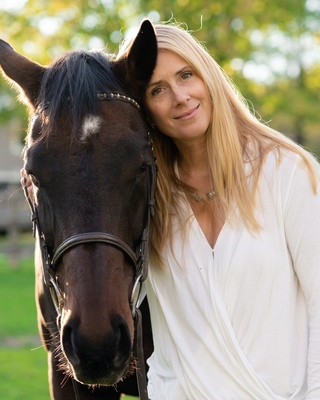
This weekend intensive program can help you and your partner: Strengthen your bond, Change the what and how of conflict, Help you understand each other and yourself differently, improve your ability to resolve those painful arguments that keep coming up- all enhanced with intentional interactions with horses!
The Hold Me Tight program is developed based on 30 years of research and is supported by 20 long term outcome studies!
I offer clinical supervision groups for RP's, RP (Q)'s, and other mental health professionals. I run a relaxed and supportive learning group environment with encouragement for each clinician to openly share their thoughts, ideas or feedback, ask case related questions, and ask general therapy questions.) Groups will generally start in January or September. Groups run virtually, which means you can live anywhere in Ontario. Please visit my website for details.

Hosted by Jaime Lee - Psychotherapist & Clinical Supervisor
Registered Psychotherapist, MEd, RP
Group meets in Markham, ON L6E
I offer clinical supervision groups for RP's, RP (Q)'s, and other mental health professionals. I run a relaxed and supportive learning group environment with encouragement for each clinician to openly share their thoughts, ideas or feedback, ask case related questions, and ask general therapy questions.) Groups will generally start in January or September. Groups run virtually, which means you can live anywhere in Ontario. Please visit my website for details.
Managing symptoms of ADHD can get in the way of social interactions, relationships and managing responsibilities not just at work but at home as well. Since ADHD can also interfere with relationships, the purpose of this group is to remove the stumbling blocks that get in the way of everyday functioning. Groups are held virtually, and have a maximum of 6 participants.

Managing symptoms of ADHD can get in the way of social interactions, relationships and managing responsibilities not just at work but at home as well. Since ADHD can also interfere with relationships, the purpose of this group is to remove the stumbling blocks that get in the way of everyday functioning. Groups are held virtually, and have a maximum of 6 participants.
One time 21/2hours of psycho education on a variety of topics.

Hosted by Trauma, Relationships, EMDR - Susan Packer
Registered Psychotherapist, RP, MDiv, BEd, BASc
Group meets in Oshawa, ON L1G
One time 21/2hours of psycho education on a variety of topics.
Stronger In Relationships is an 8-week therapy group for men who want to build healthier, more connected relationships with their partners, family, friends, and themselves. Through practical discussions, evidence-based strategies, and peer support, you'll develop skills in communication, emotional awareness, conflict resolution, vulnerability, trust, and healthy boundaries. Whether you're looking to strengthen your current relationship, prepare for a future one, or break unhelpful patterns, this group provides practical tools you can apply immediately in a supportive, confidential environment.

Hosted by First Step Men's Therapy (In-Person + Online)
Registered Psychotherapist, MACP, EMDR, ASAT
Group meets in Oshawa, ON L1G
Stronger In Relationships is an 8-week therapy group for men who want to build healthier, more connected relationships with their partners, family, friends, and themselves. Through practical discussions, evidence-based strategies, and peer support, you'll develop skills in communication, emotional awareness, conflict resolution, vulnerability, trust, and healthy boundaries. Whether you're looking to strengthen your current relationship, prepare for a future one, or break unhelpful patterns, this group provides practical tools you can apply immediately in a supportive, confidential environment.
See more therapy options for Bowmanville


Nearby Searches for Bowmanville
See More Support Groups FAQs - About Group Therapy and Support Groups
How can I find a support group in Bowmanville?
To find a support group in your area, start by entering your city, postal code, or the name of the group into the search bar at the top of the page. When searching, consider whether you prefer an in-person or virtual group. This can help you decide how broad your geographic search should be. If you are open to virtual groups, you might want to search by state instead of just your city, especially if there are limited options nearby.
Once you complete your search, you can use the filters to narrow the results by selecting specialties (such as grief, trauma, or eating disorders), therapeutic approaches, age groups, and other criteria to find a group that best fits your needs.
Once you complete your search, you can use the filters to narrow the results by selecting specialties (such as grief, trauma, or eating disorders), therapeutic approaches, age groups, and other criteria to find a group that best fits your needs.
How does group therapy work?
Group therapy is led by one or more trained therapists and provides a space where participants can process their experiences and learn from others facing similar challenges. Groups may focus on a specific issue—such as addiction, grief, physical illnesses, parenting, or caregiving—or they may center around a particular therapeutic approach, such as Cognitive Behavioural Therapy (CBT), social skill development, or Exposure Therapy. Some groups are also designed for specific populations, such as teens, veterans, or LGBTQ+ individuals.
It’s also important to distinguish group therapy from peer-led support groups, like Alcoholics Anonymous. While both can offer valuable support, therapy groups are typically led by licensed professionals and follow a more structured format. Therapy groups often meet for a fixed length of time with a consistent group of members, while many peer support groups meet for an indefinite period of time with members coming and going.
It’s also important to distinguish group therapy from peer-led support groups, like Alcoholics Anonymous. While both can offer valuable support, therapy groups are typically led by licensed professionals and follow a more structured format. Therapy groups often meet for a fixed length of time with a consistent group of members, while many peer support groups meet for an indefinite period of time with members coming and going.
What are the benefits of group therapy?
Group therapy offers several important benefits. It brings together people facing similar challenges—whether related to mental health, physical health, or life transitions—and creates a supportive environment where participants can exchange feedback, share experiences, and learn from one another. Hearing different perspectives can help individuals discover new coping strategies and practical tools they may not have encountered on their own. Sharing personal experiences, such as coping with a serious illness or navigating family struggles, can also reduce feelings of isolation and foster a sense of connection and understanding. In addition to emotional support, group members often gain useful, real-world advice from peers who have faced similar situations.
Group therapy is typically more affordable than individual therapy and, for certain conditions, can be equally effective. Many groups also include structured activities—such as guided journaling, cognitive-behavioural exercises, or role-playing—to help participants develop concrete skills they can apply in daily life.
Group therapy is typically more affordable than individual therapy and, for certain conditions, can be equally effective. Many groups also include structured activities—such as guided journaling, cognitive-behavioural exercises, or role-playing—to help participants develop concrete skills they can apply in daily life.
Is group therapy as effective as individual therapy?
It is difficult to make a blanket statement about the effectiveness of support groups, as they vary widely in focus and the conditions they address. However, support groups can be highly valuable in helping individuals gain emotional support and achieve meaningful treatment outcomes. For certain conditions, such as substance use, research has shown that group therapy can be particularly effective—sometimes just as effective as individual therapy—in supporting long-term recovery.
Many professionals attribute the effectiveness of group therapy to the unique benefits of the group setting, which fosters peer-to-peer learning and a sense of connection through shared experiences. Group settings also offer accountability and encouragement from both facilitators and fellow participants, which helps sustain motivation and supports continued progress. These factors together play a key role in promoting the overall effectiveness of group therapy.
Many professionals attribute the effectiveness of group therapy to the unique benefits of the group setting, which fosters peer-to-peer learning and a sense of connection through shared experiences. Group settings also offer accountability and encouragement from both facilitators and fellow participants, which helps sustain motivation and supports continued progress. These factors together play a key role in promoting the overall effectiveness of group therapy.
How much does group therapy cost?
Group therapy is typically less expensive than individual therapy, with sessions typically costing between $90 and $100 each. In comparison, individual therapy can cost anywhere from $100 to $200 or more per session, even with insurance. Some therapists or organisations offer low-cost or free group therapy options, particularly through community centers or non-profit organisations. In some cases, groups may require payment upfront for a set number of sessions, such as paying for six weekly sessions at the first meeting. However, many providers offer payment plans to help make participation more accessible if this upfront payment is required.
Does insurance cover group therapy?
If you have private insurance, your plan may cover some if not all of your group therapy sessions. You should contact your insurance provider to determine if they provide coverage for group therapy sessions and to determine what, if any, requirements they might have in order for your sessions to be covered, such as a referral from your GP or medical specialist.
How long does group therapy last?
The length of each group therapy session typically ranges from 45 minutes to two hours, depending on the therapy approach, the group’s goals, and how often the group meets. In some cases, group therapy is part of a larger treatment program, such as an Intensive Outpatient Program (IOP), where group sessions complement individual therapy and are scheduled as part of the program’s overall structure.
The duration of participation in a group also varies. Some groups are designed to be short-term, lasting anywhere from 6 to 24 weeks—for example, bereavement groups or skills-based groups like those using Dialectical Behavioural Therapy (DBT). Other groups may be longer-term, lasting a year or more, and some ongoing support groups meet indefinitely, allowing participants to stay as long as they find the group helpful.
The duration of participation in a group also varies. Some groups are designed to be short-term, lasting anywhere from 6 to 24 weeks—for example, bereavement groups or skills-based groups like those using Dialectical Behavioural Therapy (DBT). Other groups may be longer-term, lasting a year or more, and some ongoing support groups meet indefinitely, allowing participants to stay as long as they find the group helpful.
What are the limitations of support groups?
Support groups offer many benefits, but they also have certain limitations. Unlike therapy groups, many support groups do not provide formal therapeutic treatment and are not led by licensed mental health professionals. For individuals seeking clinical treatment for specific mental health diagnoses—such as depression, eating disorders, or substance use—individual therapy or group therapy led by a licensed professional may offer more personalised and specialised care.
The effectiveness of a support group also depends heavily on the group’s participants and the overall group dynamic. When members engage respectfully and offer constructive support, the group can foster valuable peer-to-peer learning. However, if certain participants dominate discussions, provide inaccurate advice, or create conflict, it can disrupt the group’s sense of safety and reduce its effectiveness. Confidentiality can also be harder to maintain in support groups, particularly in open groups where participants can join or leave at any time. With new members regularly entering the group, it can be more difficult to build and sustain a consistent sense of trust and privacy.
The effectiveness of a support group also depends heavily on the group’s participants and the overall group dynamic. When members engage respectfully and offer constructive support, the group can foster valuable peer-to-peer learning. However, if certain participants dominate discussions, provide inaccurate advice, or create conflict, it can disrupt the group’s sense of safety and reduce its effectiveness. Confidentiality can also be harder to maintain in support groups, particularly in open groups where participants can join or leave at any time. With new members regularly entering the group, it can be more difficult to build and sustain a consistent sense of trust and privacy.