Support Groups in Angus, ON
Our group is a fun and interactive atmosphere where participants learn new skills to overcome their challenges. It is also an opportunity to meet other people who share similar struggles. We use activities to facilitate the learning experience. You will leave with tangible strategies that will help you cope with emotional regulation, anxiety and depression. The summer session will be an intensive group of 6 sessions spread over 2 weeks.

Our group is a fun and interactive atmosphere where participants learn new skills to overcome their challenges. It is also an opportunity to meet other people who share similar struggles. We use activities to facilitate the learning experience. You will leave with tangible strategies that will help you cope with emotional regulation, anxiety and depression. The summer session will be an intensive group of 6 sessions spread over 2 weeks.
More Groups Nearby
Boys will have fun identifying social-emotional messages, experiences, attitudes, and smart options for growing up male in our culture. Competition, bullying, recognizing and expressing emotions, male and female role expectations, self confidence, and teamwork are highlighted through games and team challenges. Boys develop vocabulary and skills to expect and enact fairness, healthy competition, and respect for self and others. DATES AND TIMES TO BE DETERMINED - CHECK BACK SOON!

Boys will have fun identifying social-emotional messages, experiences, attitudes, and smart options for growing up male in our culture. Competition, bullying, recognizing and expressing emotions, male and female role expectations, self confidence, and teamwork are highlighted through games and team challenges. Boys develop vocabulary and skills to expect and enact fairness, healthy competition, and respect for self and others. DATES AND TIMES TO BE DETERMINED - CHECK BACK SOON!
CBT-i is an 8-week virtual (online) program to assist individuals with complaints of primary insomnia. This group therapy program is structured to provide psychoeducation on the cause and maintenance factors of insomnia and recommendations. Clients learn how to: get more efficient sleep through behavioural changes (which is different from sleep hygiene) to improve fatigue, anxiety, depressive symptoms, and concentration problems to get a good night’s sleep; how negative thoughts and behaviours may worsen insomnia; become less dependent on sleep medications. One-on-one consultations are available throughout the program. This group starts on Thursday, April 8th, 2021.

Hosted by CBT for Insomnia & Sleep Problems
Psychologist, PhD, CPsych
Group meets in Collingwood, ON L9Y
CBT-i is an 8-week virtual (online) program to assist individuals with complaints of primary insomnia. This group therapy program is structured to provide psychoeducation on the cause and maintenance factors of insomnia and recommendations. Clients learn how to: get more efficient sleep through behavioural changes (which is different from sleep hygiene) to improve fatigue, anxiety, depressive symptoms, and concentration problems to get a good night’s sleep; how negative thoughts and behaviours may worsen insomnia; become less dependent on sleep medications. One-on-one consultations are available throughout the program. This group starts on Thursday, April 8th, 2021.
This small, supportive group is for adults navigating grief of a lost loved one. Together, we create a safe space to share experiences, reflect, and support one another in the journey toward understanding and healing. Contact the office for further information.

This small, supportive group is for adults navigating grief of a lost loved one. Together, we create a safe space to share experiences, reflect, and support one another in the journey toward understanding and healing. Contact the office for further information.
Starting October 2025. Are you struggling due to ADHD? Want to learn to reduce procrastination, increase motivation and get stuff done? Join this group to learn new coping strategies and have a group to help keep you accountable.

Hosted by Sarah Spears|Self-Esteem|ADHD|Anxiety|Supervise
Registered Psychotherapist, MACP, BA
Group meets in Barrie, ON L4M
Starting October 2025. Are you struggling due to ADHD? Want to learn to reduce procrastination, increase motivation and get stuff done? Join this group to learn new coping strategies and have a group to help keep you accountable.
This group is designed for individuals living with diabetes who are experiencing emotional distress, burnout, or difficulty coping with the demands of chronic illness. The group integrates peer support with evidence-based strategies to enhance coping, resilience, and overall well-being
This group is designed for individuals living with diabetes who are experiencing emotional distress, burnout, or difficulty coping with the demands of chronic illness. The group integrates peer support with evidence-based strategies to enhance coping, resilience, and overall well-being
Living with OCD can feel isolating, but you don’t have to face it alone. Our OCD Group Therapy provides a supportive space to connect with others who understand. Led by a therapist trained in CBT and ERP, sessions focus on practical tools to reduce compulsions, manage intrusive thoughts, and build resilience. Alongside evidence-based strategies, the group offers encouragement and connection—helping you move toward greater confidence, calm, and hope.

Hosted by Cathy Walsh \ OCD & Anxiety Therapist (CBT & ERP)
Registered Psychotherapist, RP, MA
Group meets in Collingwood, ON L9Y
Living with OCD can feel isolating, but you don’t have to face it alone. Our OCD Group Therapy provides a supportive space to connect with others who understand. Led by a therapist trained in CBT and ERP, sessions focus on practical tools to reduce compulsions, manage intrusive thoughts, and build resilience. Alongside evidence-based strategies, the group offers encouragement and connection—helping you move toward greater confidence, calm, and hope.
This workshop is open to girls aged 9–11 years old who experience anxiety. In this 1.5 hr workshop, girls will learn: What anxiety is?. How it shows up in our minds and bodies?. How to use coping skills to manage our anxiety. Girls will leave feeling empowered and more confident all while having fun and building connections with other kids their age in a welcoming environment. Date: Sat Oct 3rd 2026? Time: 10:30am–12:00pm? Cost: $75 includes all supplies & snacks Spots are limited to maintain a safe & connected space. Your child’s spot is secured once payment is received

Hosted by Grace North Psychotherapy
Registered Social Worker, MSW, RSW
Group meets in Barrie, ON L4M
This workshop is open to girls aged 9–11 years old who experience anxiety. In this 1.5 hr workshop, girls will learn: What anxiety is?. How it shows up in our minds and bodies?. How to use coping skills to manage our anxiety. Girls will leave feeling empowered and more confident all while having fun and building connections with other kids their age in a welcoming environment. Date: Sat Oct 3rd 2026? Time: 10:30am–12:00pm? Cost: $75 includes all supplies & snacks Spots are limited to maintain a safe & connected space. Your child’s spot is secured once payment is received
Whole Again: Foundations is a small-group program designed to support clients beginning or deepening trauma-focused psychotherapy with Tara McGee. It provides shared language, embodied resourcing skills, and experiential understanding so therapy can move more directly into meaningful healing work. By integrating relational psychotherapy, yoga therapy, and Comprehensive Resource Model-informed principles, the program helps clients better understand how their nervous system responds to stress and why specific interventions are used. This foundation often reduces time spent orienting, learning skills needed for processing or stabilizing in early therapy, allowing deeper work to unfold with greater continuity, efficiency, and support.

Hosted by Collingwood Psychotherapy and Yoga Centre
Registered Social Worker
Group meets in Creemore, ON L0M
Whole Again: Foundations is a small-group program designed to support clients beginning or deepening trauma-focused psychotherapy with Tara McGee. It provides shared language, embodied resourcing skills, and experiential understanding so therapy can move more directly into meaningful healing work. By integrating relational psychotherapy, yoga therapy, and Comprehensive Resource Model-informed principles, the program helps clients better understand how their nervous system responds to stress and why specific interventions are used. This foundation often reduces time spent orienting, learning skills needed for processing or stabilizing in early therapy, allowing deeper work to unfold with greater continuity, efficiency, and support.
Our FREE 5 week group art therapy session for teens will run again in the fall! Group art therapy sessions allow youth to explore feelings, express themselves creatively, and learn healthy coping skills? Register with Blue Shores Counselling by email Info@blueshorescounselling.com or call 705-446-6226. As a Registered Psychotherapy, trained in expressive arts therapy, my work is informed by Dr. Bruce Perry’s Neurosequential Model, which focuses on nervous system regulation, attachment, emotional safety, and relationship-based healing.

Hosted by Cassandra Kustec
Registered Psychotherapist, BSc, MACP, RP
Group meets in Collingwood, ON L9Y
Our FREE 5 week group art therapy session for teens will run again in the fall! Group art therapy sessions allow youth to explore feelings, express themselves creatively, and learn healthy coping skills? Register with Blue Shores Counselling by email Info@blueshorescounselling.com or call 705-446-6226. As a Registered Psychotherapy, trained in expressive arts therapy, my work is informed by Dr. Bruce Perry’s Neurosequential Model, which focuses on nervous system regulation, attachment, emotional safety, and relationship-based healing.
Our DBT group offers a powerful way to heal, grow, and reconnect with yourself and others. At Balanced Life Therapy in Barrie, Ontario, we provide a warm and supportive space where women and individuals can explore emotions, build resilience, and experience meaningful connection. Whether you’re facing anxiety, low self-worth, relationship challenges, or emotional burnout, our group counselling sessions help you realize—you are not alone. Healing happens in community.

Our DBT group offers a powerful way to heal, grow, and reconnect with yourself and others. At Balanced Life Therapy in Barrie, Ontario, we provide a warm and supportive space where women and individuals can explore emotions, build resilience, and experience meaningful connection. Whether you’re facing anxiety, low self-worth, relationship challenges, or emotional burnout, our group counselling sessions help you realize—you are not alone. Healing happens in community.
This is a brand new program that teaches parents how to help their children deal with anxiety. It is offered both individually and in group format. Its created by Triple P Parenting.
Hosted by Wendy Hunter
Registered Psychotherapist, ECE, BA, (Psych), RP
Group meets in Collingwood, ON L9Y
This is a brand new program that teaches parents how to help their children deal with anxiety. It is offered both individually and in group format. Its created by Triple P Parenting.
If you’re feeling stuck in anxiety, overthinking, or self-doubt you’re not alone. This 8-week group focuses on helping you understand anxiety, break patterns like rumination and avoidance, and build practical tools you can use in everyday life. Rather than trying to eliminate anxiety: strengthen your ability to handle it so it stops running the show. You’ll learn how to challenge “not good enough” thinking, set boundaries, and feel more confident in your responses. Details: 8-week closed group (adult women) Weekly 60–90 minute sessions April 30 – June 25, 2026 $200 total (insurance receipts available)

If you’re feeling stuck in anxiety, overthinking, or self-doubt you’re not alone. This 8-week group focuses on helping you understand anxiety, break patterns like rumination and avoidance, and build practical tools you can use in everyday life. Rather than trying to eliminate anxiety: strengthen your ability to handle it so it stops running the show. You’ll learn how to challenge “not good enough” thinking, set boundaries, and feel more confident in your responses. Details: 8-week closed group (adult women) Weekly 60–90 minute sessions April 30 – June 25, 2026 $200 total (insurance receipts available)
Join other individuals as we explore the parts of us that remain in shadow as we learn to heal and grow in to the light. Expand yourself in the safety of this reflective group.
Hosted by Jennifer McMaster
Registered Social Worker, MAHPro, RegKin, RSW
Group meets in Collingwood, ON L9Y
Join other individuals as we explore the parts of us that remain in shadow as we learn to heal and grow in to the light. Expand yourself in the safety of this reflective group.
Experienced, Respectful, Professional. Working with you to achieve results.

Hosted by Ramsey Counselling and Psychotherapy Services
Registered Psychotherapist, MACP, CRPO, CCPA, OAHMP
Group meets in Barrie, ON L4N
Experienced, Respectful, Professional. Working with you to achieve results.
NEW group with specialized trauma processing for new parents who experienced a traumatic birth, pregnancy/infant loss or postpartum experience that left you emotionally scarred. This new recent event trauma protocol was developed to reduce distress and disturbance when thinking about difficult events and to build resilience and coping strategies to feel more in control of emotions in the present and future. This group does not require you to talk about what happened, it creates connection while also reducing nightmares, flashbacks, intrusive thoughts and improving self worth, building hope and supporting relationships. Both in person and virtual options available.

Hosted by Amber Sperling
Registered Social Worker, MSW, RSW, PMH-C, EMDRIA
Group meets in Barrie, ON L4N
NEW group with specialized trauma processing for new parents who experienced a traumatic birth, pregnancy/infant loss or postpartum experience that left you emotionally scarred. This new recent event trauma protocol was developed to reduce distress and disturbance when thinking about difficult events and to build resilience and coping strategies to feel more in control of emotions in the present and future. This group does not require you to talk about what happened, it creates connection while also reducing nightmares, flashbacks, intrusive thoughts and improving self worth, building hope and supporting relationships. Both in person and virtual options available.
An in person therapeutic support group from moms in the perinatal and postpartum period. Come find support and community. We talk all things motherhood, the raw the real and the messy. Learn about postpartum mental health, invisible labour mother's often carry, the grief and loss you weren't expecting and how to help yourself thrive! This is a FREE group held in our Barrie office.
Hosted by Grace North Psychotherapy
Registered Social Worker, MSW, RSW
Group meets in Barrie, ON L4M
An in person therapeutic support group from moms in the perinatal and postpartum period. Come find support and community. We talk all things motherhood, the raw the real and the messy. Learn about postpartum mental health, invisible labour mother's often carry, the grief and loss you weren't expecting and how to help yourself thrive! This is a FREE group held in our Barrie office.
Learning to engage with horses in their natural state through activities that occur on the ground (no riding) can be therapeutic for a range of difficulties including developing healthy boundaries, confidence, focus, self-esteem, anger management, and leadership skills. Horses are extremely aware of their environment including subtle physical and emotional reactions in humans, and offer accurate, honest mirroring of our emotions and the unique issues that we are carrying. Working in relationship with horses can be grounding, relaxing, and very comforting. Small group workshops can be developed based on specific themes as requested. Please contact me for further information.

Learning to engage with horses in their natural state through activities that occur on the ground (no riding) can be therapeutic for a range of difficulties including developing healthy boundaries, confidence, focus, self-esteem, anger management, and leadership skills. Horses are extremely aware of their environment including subtle physical and emotional reactions in humans, and offer accurate, honest mirroring of our emotions and the unique issues that we are carrying. Working in relationship with horses can be grounding, relaxing, and very comforting. Small group workshops can be developed based on specific themes as requested. Please contact me for further information.
Whole Again Foundations is an in-person group program that helps you prepare for deeper trauma healing by bringing psychotherapy, yoga therapy, resourcing, psychoeducation, and experiential group work together. You’ll begin to understand why old patterns repeat, how trauma lives in the nervous system, body, energy system, spirit, and relationships, and how to meet yourself with more steadiness and compassion. The transformation is greater regulation, clearer self-understanding, deeper inner support, and a felt sense that change is possible, not just something you talk about.
Whole Again Foundations is an in-person group program that helps you prepare for deeper trauma healing by bringing psychotherapy, yoga therapy, resourcing, psychoeducation, and experiential group work together. You’ll begin to understand why old patterns repeat, how trauma lives in the nervous system, body, energy system, spirit, and relationships, and how to meet yourself with more steadiness and compassion. The transformation is greater regulation, clearer self-understanding, deeper inner support, and a felt sense that change is possible, not just something you talk about.
Many men and women serving Canadian Forces suffer mental health and addictions issues related to operational tasking and deployments. Some of the veterans as well as members of a civilian population suffer from a childhood traumas and family dysfunctional upbringing. If in combat or in a dysfunctional family, individuals suffer with depression, anxiety and panic if not directly affected by trauma may be by witnessing startling and tragic events.My lengthy training and working experience provides empathy and safety to build the trust and therapeutic guidance to alleviate bothersome symptoms and find a peace.
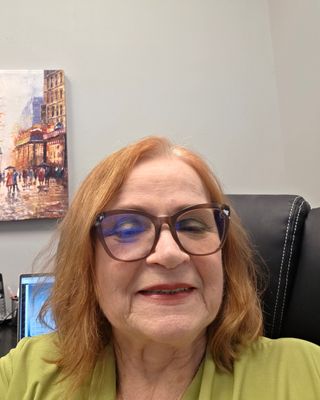
Hosted by London Integrative Therapy
Registered Psychotherapist, MACP, RP, EMDR T, CCAC, CSAS
Group meets in Barrie, ON L4N
Many men and women serving Canadian Forces suffer mental health and addictions issues related to operational tasking and deployments. Some of the veterans as well as members of a civilian population suffer from a childhood traumas and family dysfunctional upbringing. If in combat or in a dysfunctional family, individuals suffer with depression, anxiety and panic if not directly affected by trauma may be by witnessing startling and tragic events.My lengthy training and working experience provides empathy and safety to build the trust and therapeutic guidance to alleviate bothersome symptoms and find a peace.
See more therapy options for Angus

Nearby Searches for Angus
See More Support Groups FAQs - About Group Therapy and Support Groups
How can I find a support group in Angus?
To find a support group in your area, start by entering your city, postal code, or the name of the group into the search bar at the top of the page. When searching, consider whether you prefer an in-person or virtual group. This can help you decide how broad your geographic search should be. If you are open to virtual groups, you might want to search by state instead of just your city, especially if there are limited options nearby.
Once you complete your search, you can use the filters to narrow the results by selecting specialties (such as grief, trauma, or eating disorders), therapeutic approaches, age groups, and other criteria to find a group that best fits your needs.
How does group therapy work?
Group therapy is led by one or more trained therapists and provides a space where participants can process their experiences and learn from others facing similar challenges. Groups may focus on a specific issue—such as addiction, grief, physical illnesses, parenting, or caregiving—or they may center around a particular therapeutic approach, such as Cognitive Behavioural Therapy (CBT), social skill development, or Exposure Therapy. Some groups are also designed for specific populations, such as teens, veterans, or LGBTQ+ individuals.
It’s also important to distinguish group therapy from peer-led support groups, like Alcoholics Anonymous. While both can offer valuable support, therapy groups are typically led by licensed professionals and follow a more structured format. Therapy groups often meet for a fixed length of time with a consistent group of members, while many peer support groups meet for an indefinite period of time with members coming and going.
What are the benefits of group therapy?
Group therapy offers several important benefits. It brings together people facing similar challenges—whether related to mental health, physical health, or life transitions—and creates a supportive environment where participants can exchange feedback, share experiences, and learn from one another. Hearing different perspectives can help individuals discover new coping strategies and practical tools they may not have encountered on their own. Sharing personal experiences, such as coping with a serious illness or navigating family struggles, can also reduce feelings of isolation and foster a sense of connection and understanding. In addition to emotional support, group members often gain useful, real-world advice from peers who have faced similar situations.
Group therapy is typically more affordable than individual therapy and, for certain conditions, can be equally effective. Many groups also include structured activities—such as guided journaling, cognitive-behavioural exercises, or role-playing—to help participants develop concrete skills they can apply in daily life.
Is group therapy as effective as individual therapy?
It is difficult to make a blanket statement about the effectiveness of support groups, as they vary widely in focus and the conditions they address. However, support groups can be highly valuable in helping individuals gain emotional support and achieve meaningful treatment outcomes. For certain conditions, such as substance use, research has shown that group therapy can be particularly effective—sometimes just as effective as individual therapy—in supporting long-term recovery.
Many professionals attribute the effectiveness of group therapy to the unique benefits of the group setting, which fosters peer-to-peer learning and a sense of connection through shared experiences. Group settings also offer accountability and encouragement from both facilitators and fellow participants, which helps sustain motivation and supports continued progress. These factors together play a key role in promoting the overall effectiveness of group therapy.
How much does group therapy cost?
Group therapy is typically less expensive than individual therapy, with sessions typically costing between $90 and $100 each. In comparison, individual therapy can cost anywhere from $100 to $200 or more per session, even with insurance. Some therapists or organisations offer low-cost or free group therapy options, particularly through community centers or non-profit organisations. In some cases, groups may require payment upfront for a set number of sessions, such as paying for six weekly sessions at the first meeting. However, many providers offer payment plans to help make participation more accessible if this upfront payment is required.
Does insurance cover group therapy?
If you have private insurance, your plan may cover some if not all of your group therapy sessions. You should contact your insurance provider to determine if they provide coverage for group therapy sessions and to determine what, if any, requirements they might have in order for your sessions to be covered, such as a referral from your GP or medical specialist.
How long does group therapy last?
The length of each group therapy session typically ranges from 45 minutes to two hours, depending on the therapy approach, the group’s goals, and how often the group meets. In some cases, group therapy is part of a larger treatment program, such as an Intensive Outpatient Program (IOP), where group sessions complement individual therapy and are scheduled as part of the program’s overall structure.
The duration of participation in a group also varies. Some groups are designed to be short-term, lasting anywhere from 6 to 24 weeks—for example, bereavement groups or skills-based groups like those using Dialectical Behavioural Therapy (DBT). Other groups may be longer-term, lasting a year or more, and some ongoing support groups meet indefinitely, allowing participants to stay as long as they find the group helpful.
What are the limitations of support groups?
Support groups offer many benefits, but they also have certain limitations. Unlike therapy groups, many support groups do not provide formal therapeutic treatment and are not led by licensed mental health professionals. For individuals seeking clinical treatment for specific mental health diagnoses—such as depression, eating disorders, or substance use—individual therapy or group therapy led by a licensed professional may offer more personalised and specialised care.
The effectiveness of a support group also depends heavily on the group’s participants and the overall group dynamic. When members engage respectfully and offer constructive support, the group can foster valuable peer-to-peer learning. However, if certain participants dominate discussions, provide inaccurate advice, or create conflict, it can disrupt the group’s sense of safety and reduce its effectiveness. Confidentiality can also be harder to maintain in support groups, particularly in open groups where participants can join or leave at any time. With new members regularly entering the group, it can be more difficult to build and sustain a consistent sense of trust and privacy.