Support Groups in L1H
NEXT GROUP BEGINS IN SEPTEMBER 2026. This virtual 12-week Dialectical Behaviour Therapy (DBT) skills group is designed for anyone who wants tools to manage emotions, reduce overwhelm, and improve coping. Each week, we focus on DBT skills from the following modules—mindfulness, distress tolerance, emotion regulation, and interpersonal effectiveness. No prior DBT experience required. Visit www.stephaniecampoli.ca to register or connect with me for a free consult to learn more. The DBT Skills Group offered at my practice will be facilitated by Sara Schugt a Registered Occupational Therapist and Psychotherapist in Ontario.

NEXT GROUP BEGINS IN SEPTEMBER 2026. This virtual 12-week Dialectical Behaviour Therapy (DBT) skills group is designed for anyone who wants tools to manage emotions, reduce overwhelm, and improve coping. Each week, we focus on DBT skills from the following modules—mindfulness, distress tolerance, emotion regulation, and interpersonal effectiveness. No prior DBT experience required. Visit www.stephaniecampoli.ca to register or connect with me for a free consult to learn more. The DBT Skills Group offered at my practice will be facilitated by Sara Schugt a Registered Occupational Therapist and Psychotherapist in Ontario.
Breaking the Cycle is an 8-week therapy group for men who want to overcome unhealthy habits and regain control of their lives. Whether you're struggling with pornography, alcohol, gambling, cannabis, gaming, or other compulsive behaviours, this group combines evidence-based strategies, practical skill-building, and peer support to help you understand the root causes of addiction, manage cravings, and create lasting change. You'll leave with a personalized recovery plan and practical tools to build a healthier, more intentional life.

Hosted by First Step Men's Therapy - Helping Men Heal!
Registered Psychotherapist (Qualifying), BA, RP, ASAT, EMDR
Group meets in Oshawa, ON L1H
Breaking the Cycle is an 8-week therapy group for men who want to overcome unhealthy habits and regain control of their lives. Whether you're struggling with pornography, alcohol, gambling, cannabis, gaming, or other compulsive behaviours, this group combines evidence-based strategies, practical skill-building, and peer support to help you understand the root causes of addiction, manage cravings, and create lasting change. You'll leave with a personalized recovery plan and practical tools to build a healthier, more intentional life.
More Groups Nearby
I offer a monthly peer consultation group for therapists in independent practice who value thoughtful reflection and collegial support. This group is designed as a collaborative space where clinicians can bring cases, ethical questions, clinical stuck points, or practice-related dilemmas and receive grounded, respectful second opinions. Our format is peer-based and discussion-oriented, fostering mutual learning rather than hierarchy. Together, we explore cases through multiple lenses -- clinical, cultural, relational, and systemic -- while maintaining a supportive and non-judgmental atmosphere. The goal is not only to problem-solve, but also to deepen clinical insight, reduce isolation in private practice, and strengthen professional confidence.

I offer a monthly peer consultation group for therapists in independent practice who value thoughtful reflection and collegial support. This group is designed as a collaborative space where clinicians can bring cases, ethical questions, clinical stuck points, or practice-related dilemmas and receive grounded, respectful second opinions. Our format is peer-based and discussion-oriented, fostering mutual learning rather than hierarchy. Together, we explore cases through multiple lenses -- clinical, cultural, relational, and systemic -- while maintaining a supportive and non-judgmental atmosphere. The goal is not only to problem-solve, but also to deepen clinical insight, reduce isolation in private practice, and strengthen professional confidence.
New Group Starting October 4th, 2025. Welcome to our community, a safe authentic space where you can be yourself without judgment. We offer support, understanding, and practical steps to navigate challenges, including divorce. Here your vulnerability is met with empathy. As a Certified Narcissistic Abuse Clinician and Clinical Trauma Professional, my mission is to guide you towards healing and empowerment. Your presence enriches us all. We're excited to have you here and look forward to this journey together.
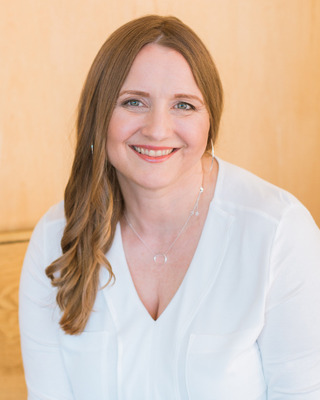
Hosted by Divorce Therapist
Registered Social Service Worker, RSSW, PCC
Group meets in Toronto, ON M3C
New Group Starting October 4th, 2025. Welcome to our community, a safe authentic space where you can be yourself without judgment. We offer support, understanding, and practical steps to navigate challenges, including divorce. Here your vulnerability is met with empathy. As a Certified Narcissistic Abuse Clinician and Clinical Trauma Professional, my mission is to guide you towards healing and empowerment. Your presence enriches us all. We're excited to have you here and look forward to this journey together.
Do you want to talk about personal, relational, psychological, or spiritual or anything that feels important to you? Some of the themes we can explore in our discussions: How do I deal with my sadness, anger, grief, fears, anxiety, guilt or shame? Why I do what I do - addictions, unhealthy habits, or negative thinking? How do I find meaning or purpose of my life or make sense out of my suffering? Can positive psychology and spirituality help me develop more hope, empathy, gratitude or forgiveness? How do I develop Mindfulness, loving-kindness, compassion and empathy towards the self and others?

Do you want to talk about personal, relational, psychological, or spiritual or anything that feels important to you? Some of the themes we can explore in our discussions: How do I deal with my sadness, anger, grief, fears, anxiety, guilt or shame? Why I do what I do - addictions, unhealthy habits, or negative thinking? How do I find meaning or purpose of my life or make sense out of my suffering? Can positive psychology and spirituality help me develop more hope, empathy, gratitude or forgiveness? How do I develop Mindfulness, loving-kindness, compassion and empathy towards the self and others?
PCSG will be offering Dialectical Behaviour Therapy (DBT) Skills group therapy for Adult individuals 18 years and older with emotion regulation difficulties. There are four modules which consist of 5 weekly sessions each: Distress Tolerance, Walking the Middle Path, Emotion Regulation and Interpersonal Effectiveness. Participants must sign up at the start of each module. Please contact intake to be added to our waitlist. Once dates are confirmed, the group will begin the pre-screening process. A DBT Skills Manual is required for these group sessions.

PCSG will be offering Dialectical Behaviour Therapy (DBT) Skills group therapy for Adult individuals 18 years and older with emotion regulation difficulties. There are four modules which consist of 5 weekly sessions each: Distress Tolerance, Walking the Middle Path, Emotion Regulation and Interpersonal Effectiveness. Participants must sign up at the start of each module. Please contact intake to be added to our waitlist. Once dates are confirmed, the group will begin the pre-screening process. A DBT Skills Manual is required for these group sessions.
Are you looking to build your clinical skills in a group setting? Group supervision runs quarterly 1-2 times per month depending on the needs of the participants.

Are you looking to build your clinical skills in a group setting? Group supervision runs quarterly 1-2 times per month depending on the needs of the participants.
As a counselor, I create a safe space for couples to openly discuss their issues and emotions. I help them identify underlying issues, improve communication, and develop effective conflict resolution skills. I guide couples in rebuilding trust, addressing betrayal, and fostering empathy and understanding. I encourage self-reflection, personal growth, and provide ongoing support to help them achieve their relationship goals.

Hosted by Reza Eskandari
Registered Psychotherapist, MACP, CCPA, PostDoC
Group meets in North York, ON M3B
As a counselor, I create a safe space for couples to openly discuss their issues and emotions. I help them identify underlying issues, improve communication, and develop effective conflict resolution skills. I guide couples in rebuilding trust, addressing betrayal, and fostering empathy and understanding. I encourage self-reflection, personal growth, and provide ongoing support to help them achieve their relationship goals.
Stronger In Relationships is an 8-week therapy group for men who want to build healthier, more connected relationships with their partners, family, friends, and themselves. Through practical discussions, evidence-based strategies, and peer support, you'll develop skills in communication, emotional awareness, conflict resolution, vulnerability, trust, and healthy boundaries. Whether you're looking to strengthen your current relationship, prepare for a future one, or break unhelpful patterns, this group provides practical tools you can apply immediately in a supportive, confidential environment.
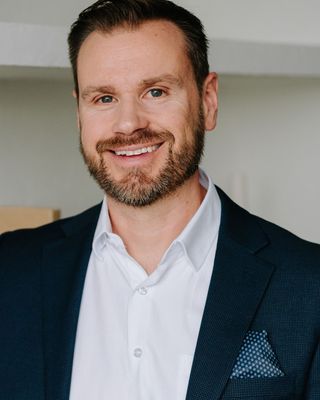
Hosted by First Step Men's Therapy (In-Person + Online)
Registered Psychotherapist, MACP, EMDR, ASAT
Group meets in Oshawa, ON L1G
Stronger In Relationships is an 8-week therapy group for men who want to build healthier, more connected relationships with their partners, family, friends, and themselves. Through practical discussions, evidence-based strategies, and peer support, you'll develop skills in communication, emotional awareness, conflict resolution, vulnerability, trust, and healthy boundaries. Whether you're looking to strengthen your current relationship, prepare for a future one, or break unhelpful patterns, this group provides practical tools you can apply immediately in a supportive, confidential environment.
A group to discuss an array of loss related to death, health, pregnancy, or employment. We will discuss the reality of the loss, adjusting to the loss, creating a connection and/or making meaning of the loss and moving forward with the loss experience. Contact Laura at laura@bewelltherapy.ca to register or learn more. $160/4 weeks.

A group to discuss an array of loss related to death, health, pregnancy, or employment. We will discuss the reality of the loss, adjusting to the loss, creating a connection and/or making meaning of the loss and moving forward with the loss experience. Contact Laura at laura@bewelltherapy.ca to register or learn more. $160/4 weeks.
Entrepreneurship is associated with psychological/emotional difficulties. Depression, anxiety, imposter syndrome, ADHD, and emotional burnout have been reported. Moreover, Black entrepreneurs are at increased risk of dealing with Racial and Career Traumas. These mental health struggles when unaddressed can impair an entrepreneur's ability to successfully function and grow their businesses. Mental Health 4 Success Program is our effort to making mental health services accessible and culturally informed for the Black Entrepreneurial/Business Community. Individuals must demonstrate eligibility criteria through active involvement with an organization and/or program that serves the Black Entrepreneurial/Business Community. Email to Access

Hosted by Fruits From The Roots Psychotherapy & Supervision
Registered Psychotherapist, RP, EdD, MA
Group meets in Markham, ON L3R
Entrepreneurship is associated with psychological/emotional difficulties. Depression, anxiety, imposter syndrome, ADHD, and emotional burnout have been reported. Moreover, Black entrepreneurs are at increased risk of dealing with Racial and Career Traumas. These mental health struggles when unaddressed can impair an entrepreneur's ability to successfully function and grow their businesses. Mental Health 4 Success Program is our effort to making mental health services accessible and culturally informed for the Black Entrepreneurial/Business Community. Individuals must demonstrate eligibility criteria through active involvement with an organization and/or program that serves the Black Entrepreneurial/Business Community. Email to Access
Our closed group art therapy group is for women, who are new in the city and they are looking to explore their emotions, connect with other women, tell their story, and regain their power in a safe place. Our groups consist of 4 participants and are led by an art therapist. The theme of these art therapy workshops are often exploring emotions, practicing to be in the present (mindfulness), organizing chaotic thoughts, and find companionship.

Our closed group art therapy group is for women, who are new in the city and they are looking to explore their emotions, connect with other women, tell their story, and regain their power in a safe place. Our groups consist of 4 participants and are led by an art therapist. The theme of these art therapy workshops are often exploring emotions, practicing to be in the present (mindfulness), organizing chaotic thoughts, and find companionship.
I'm excited to offer a safe space for individuals with ostomies to share their experiences, learn coping strategies, and build community. My experience working at a medical supply store provided me with valuable insights into the practical and emotional aspects of ostomy care. I combine that knowledge with my therapeutic expertise to offer compassionate and effective support. I believe in empowering individuals to live full and confident lives, and I'm excited to be a part of this support group to connect with others and foster a community of understanding and encouragement.
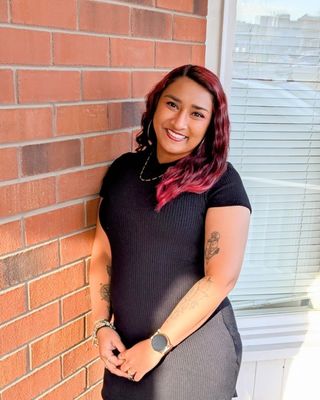
I'm excited to offer a safe space for individuals with ostomies to share their experiences, learn coping strategies, and build community. My experience working at a medical supply store provided me with valuable insights into the practical and emotional aspects of ostomy care. I combine that knowledge with my therapeutic expertise to offer compassionate and effective support. I believe in empowering individuals to live full and confident lives, and I'm excited to be a part of this support group to connect with others and foster a community of understanding and encouragement.
Théla Psychotherapy Clinic is a calm, trauma-informed space where healing unfolds gently and intentionally. We support individuals (12+) and couples navigating anxiety, trauma, burnout, relationship challenges, and emotion dysregulation. We also work with more complex mental health presentations, including borderline personality traits, bipolar spectrum concerns, and psychosis-related experiences, in collaboration with medical providers when appropriate. Our approach integrates EMDR, EFT, DBT, and mindfulness-based therapy to strengthen regulation, insight, and resilience. Culturally responsive and compassionate, we honour your pace and story. In-person in the GTA and virtual across Ontario.

Théla Psychotherapy Clinic is a calm, trauma-informed space where healing unfolds gently and intentionally. We support individuals (12+) and couples navigating anxiety, trauma, burnout, relationship challenges, and emotion dysregulation. We also work with more complex mental health presentations, including borderline personality traits, bipolar spectrum concerns, and psychosis-related experiences, in collaboration with medical providers when appropriate. Our approach integrates EMDR, EFT, DBT, and mindfulness-based therapy to strengthen regulation, insight, and resilience. Culturally responsive and compassionate, we honour your pace and story. In-person in the GTA and virtual across Ontario.
A group of practitioners to support your mental health needs in the Markham community.
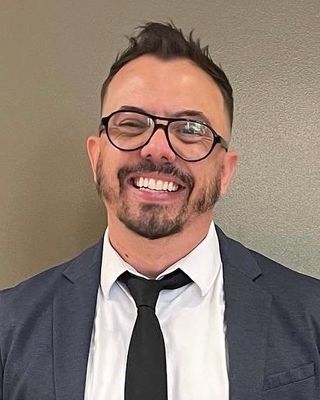
Hosted by Michael Fischhoff
Registered Psychotherapist, DMin, MTS, MDiv, BSc
Group meets in Markham, ON L3R
A group of practitioners to support your mental health needs in the Markham community.
Breaking the Cycle is an 8-week therapy group for men who want to overcome unhealthy habits and regain control of their lives. Whether you're struggling with pornography, alcohol, gambling, cannabis, gaming, or other compulsive behaviours, this group combines evidence-based strategies, practical skill-building, and peer support to help you understand the root causes of addiction, manage cravings, and create lasting change. You'll leave with a personalized recovery plan and practical tools to build a healthier, more intentional life.

Hosted by First Step Men’s Therapy – Markham/Thornhill
Registered Psychotherapist, MA, RP(Q)
Group meets in Richmond Hill, ON L4B
Breaking the Cycle is an 8-week therapy group for men who want to overcome unhealthy habits and regain control of their lives. Whether you're struggling with pornography, alcohol, gambling, cannabis, gaming, or other compulsive behaviours, this group combines evidence-based strategies, practical skill-building, and peer support to help you understand the root causes of addiction, manage cravings, and create lasting change. You'll leave with a personalized recovery plan and practical tools to build a healthier, more intentional life.
Group runs 3 times per year. We will explore the impact of climate change/world events on our mental health, learn about new perspectives and healthier responses. We look at beliefs and emotions, connect with other group members and expand how we relate with the greater natural world. One goal is to develop a fuller sense of community. The approach is based on Joanna Macy’s co-authored book: Active Hope. We also focus on developing a deeper understanding of group therapy principles and land-based healing practices. Email: info@psychiatree.ca for more information.
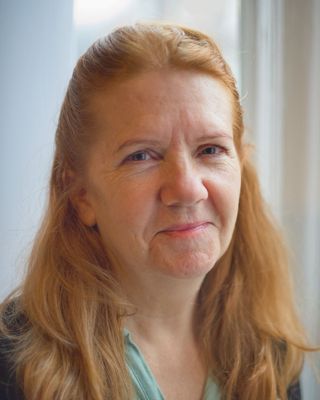
Group runs 3 times per year. We will explore the impact of climate change/world events on our mental health, learn about new perspectives and healthier responses. We look at beliefs and emotions, connect with other group members and expand how we relate with the greater natural world. One goal is to develop a fuller sense of community. The approach is based on Joanna Macy’s co-authored book: Active Hope. We also focus on developing a deeper understanding of group therapy principles and land-based healing practices. Email: info@psychiatree.ca for more information.
Join a small group for a day with other couples, and learn how normal it is for conflict to occur in relationships, and why this is actually a normal part of growth. This group coaches members to learn new skills to improve communication quickly, with the goal of relating to each other in a more healthy way.
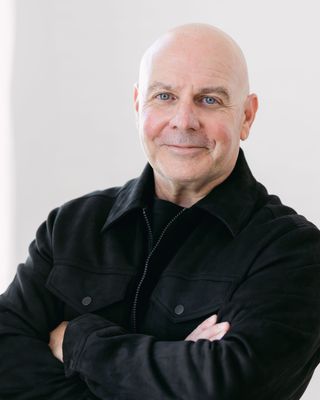
Hosted by Strengthzone Relationships Counselling
Registered Psychotherapist, MA, Bsc, RP
Group meets in Uxbridge, ON L9P
Join a small group for a day with other couples, and learn how normal it is for conflict to occur in relationships, and why this is actually a normal part of growth. This group coaches members to learn new skills to improve communication quickly, with the goal of relating to each other in a more healthy way.
There are ongoing three group therapies. 1 - Group therapy for children from the age of 11 to 14; 2 - Group therapy for adolescents from the aga of 15 to 18. 3 - Group therapy for adults.

There are ongoing three group therapies. 1 - Group therapy for children from the age of 11 to 14; 2 - Group therapy for adolescents from the aga of 15 to 18. 3 - Group therapy for adults.
It is a four session educational/experiential group, which helps parents to reach psychological flexibility in facing with inflexible children. By participating in this group, parents can rise optimistic, self-confident and happy children.

It is a four session educational/experiential group, which helps parents to reach psychological flexibility in facing with inflexible children. By participating in this group, parents can rise optimistic, self-confident and happy children.
See more therapy options for L1H


FAQs - About Group Therapy and Support Groups
How can I find a support group in L1H?
To find a support group in your area, start by entering your city, postal code, or the name of the group into the search bar at the top of the page. When searching, consider whether you prefer an in-person or virtual group. This can help you decide how broad your geographic search should be. If you are open to virtual groups, you might want to search by state instead of just your city, especially if there are limited options nearby.
Once you complete your search, you can use the filters to narrow the results by selecting specialties (such as grief, trauma, or eating disorders), therapeutic approaches, age groups, and other criteria to find a group that best fits your needs.
Once you complete your search, you can use the filters to narrow the results by selecting specialties (such as grief, trauma, or eating disorders), therapeutic approaches, age groups, and other criteria to find a group that best fits your needs.
How does group therapy work?
Group therapy is led by one or more trained therapists and provides a space where participants can process their experiences and learn from others facing similar challenges. Groups may focus on a specific issue—such as addiction, grief, physical illnesses, parenting, or caregiving—or they may center around a particular therapeutic approach, such as Cognitive Behavioural Therapy (CBT), social skill development, or Exposure Therapy. Some groups are also designed for specific populations, such as teens, veterans, or LGBTQ+ individuals.
It’s also important to distinguish group therapy from peer-led support groups, like Alcoholics Anonymous. While both can offer valuable support, therapy groups are typically led by licensed professionals and follow a more structured format. Therapy groups often meet for a fixed length of time with a consistent group of members, while many peer support groups meet for an indefinite period of time with members coming and going.
It’s also important to distinguish group therapy from peer-led support groups, like Alcoholics Anonymous. While both can offer valuable support, therapy groups are typically led by licensed professionals and follow a more structured format. Therapy groups often meet for a fixed length of time with a consistent group of members, while many peer support groups meet for an indefinite period of time with members coming and going.
What are the benefits of group therapy?
Group therapy offers several important benefits. It brings together people facing similar challenges—whether related to mental health, physical health, or life transitions—and creates a supportive environment where participants can exchange feedback, share experiences, and learn from one another. Hearing different perspectives can help individuals discover new coping strategies and practical tools they may not have encountered on their own. Sharing personal experiences, such as coping with a serious illness or navigating family struggles, can also reduce feelings of isolation and foster a sense of connection and understanding. In addition to emotional support, group members often gain useful, real-world advice from peers who have faced similar situations.
Group therapy is typically more affordable than individual therapy and, for certain conditions, can be equally effective. Many groups also include structured activities—such as guided journaling, cognitive-behavioural exercises, or role-playing—to help participants develop concrete skills they can apply in daily life.
Group therapy is typically more affordable than individual therapy and, for certain conditions, can be equally effective. Many groups also include structured activities—such as guided journaling, cognitive-behavioural exercises, or role-playing—to help participants develop concrete skills they can apply in daily life.
Is group therapy as effective as individual therapy?
It is difficult to make a blanket statement about the effectiveness of support groups, as they vary widely in focus and the conditions they address. However, support groups can be highly valuable in helping individuals gain emotional support and achieve meaningful treatment outcomes. For certain conditions, such as substance use, research has shown that group therapy can be particularly effective—sometimes just as effective as individual therapy—in supporting long-term recovery.
Many professionals attribute the effectiveness of group therapy to the unique benefits of the group setting, which fosters peer-to-peer learning and a sense of connection through shared experiences. Group settings also offer accountability and encouragement from both facilitators and fellow participants, which helps sustain motivation and supports continued progress. These factors together play a key role in promoting the overall effectiveness of group therapy.
Many professionals attribute the effectiveness of group therapy to the unique benefits of the group setting, which fosters peer-to-peer learning and a sense of connection through shared experiences. Group settings also offer accountability and encouragement from both facilitators and fellow participants, which helps sustain motivation and supports continued progress. These factors together play a key role in promoting the overall effectiveness of group therapy.
How much does group therapy cost?
Group therapy is typically less expensive than individual therapy, with sessions typically costing between $90 and $100 each. In comparison, individual therapy can cost anywhere from $100 to $200 or more per session, even with insurance. Some therapists or organisations offer low-cost or free group therapy options, particularly through community centers or non-profit organisations. In some cases, groups may require payment upfront for a set number of sessions, such as paying for six weekly sessions at the first meeting. However, many providers offer payment plans to help make participation more accessible if this upfront payment is required.
Does insurance cover group therapy?
If you have private insurance, your plan may cover some if not all of your group therapy sessions. You should contact your insurance provider to determine if they provide coverage for group therapy sessions and to determine what, if any, requirements they might have in order for your sessions to be covered, such as a referral from your GP or medical specialist.
How long does group therapy last?
The length of each group therapy session typically ranges from 45 minutes to two hours, depending on the therapy approach, the group’s goals, and how often the group meets. In some cases, group therapy is part of a larger treatment program, such as an Intensive Outpatient Program (IOP), where group sessions complement individual therapy and are scheduled as part of the program’s overall structure.
The duration of participation in a group also varies. Some groups are designed to be short-term, lasting anywhere from 6 to 24 weeks—for example, bereavement groups or skills-based groups like those using Dialectical Behavioural Therapy (DBT). Other groups may be longer-term, lasting a year or more, and some ongoing support groups meet indefinitely, allowing participants to stay as long as they find the group helpful.
The duration of participation in a group also varies. Some groups are designed to be short-term, lasting anywhere from 6 to 24 weeks—for example, bereavement groups or skills-based groups like those using Dialectical Behavioural Therapy (DBT). Other groups may be longer-term, lasting a year or more, and some ongoing support groups meet indefinitely, allowing participants to stay as long as they find the group helpful.
What are the limitations of support groups?
Support groups offer many benefits, but they also have certain limitations. Unlike therapy groups, many support groups do not provide formal therapeutic treatment and are not led by licensed mental health professionals. For individuals seeking clinical treatment for specific mental health diagnoses—such as depression, eating disorders, or substance use—individual therapy or group therapy led by a licensed professional may offer more personalised and specialised care.
The effectiveness of a support group also depends heavily on the group’s participants and the overall group dynamic. When members engage respectfully and offer constructive support, the group can foster valuable peer-to-peer learning. However, if certain participants dominate discussions, provide inaccurate advice, or create conflict, it can disrupt the group’s sense of safety and reduce its effectiveness. Confidentiality can also be harder to maintain in support groups, particularly in open groups where participants can join or leave at any time. With new members regularly entering the group, it can be more difficult to build and sustain a consistent sense of trust and privacy.
The effectiveness of a support group also depends heavily on the group’s participants and the overall group dynamic. When members engage respectfully and offer constructive support, the group can foster valuable peer-to-peer learning. However, if certain participants dominate discussions, provide inaccurate advice, or create conflict, it can disrupt the group’s sense of safety and reduce its effectiveness. Confidentiality can also be harder to maintain in support groups, particularly in open groups where participants can join or leave at any time. With new members regularly entering the group, it can be more difficult to build and sustain a consistent sense of trust and privacy.