Support Groups in Penticton, BC
Please call to find out about any available groups at 250-718-9291. OK Clinical Therapy Group, we provide individual, couples, children, youth, family, and group counselling services. We offer a FREE 20 minute consultation to fully understand your concerns, and match you with one of our clinicians that is best suited to fit your needs. Our team of counsellors specialize in a variety of areas such as treatment for depression, anxiety, eating disorders, substance abuse, difficult life transitions, trauma, grief, divorce, sexuality, and many more.

Please call to find out about any available groups at 250-718-9291. OK Clinical Therapy Group, we provide individual, couples, children, youth, family, and group counselling services. We offer a FREE 20 minute consultation to fully understand your concerns, and match you with one of our clinicians that is best suited to fit your needs. Our team of counsellors specialize in a variety of areas such as treatment for depression, anxiety, eating disorders, substance abuse, difficult life transitions, trauma, grief, divorce, sexuality, and many more.
Courage, Challenge, Connection, Change- A bi-weekly, in-person men’s therapeutic group in Penticton. This group offers a diverse group of men a mix of challenge, support, and heart based experiential learning. We’ll use tools and practices from various modalities including: Mindfulness and awareness practices, Gestalt, Hakomi, Inner child work, Shadow work, and Internal Family Systems. Deepen personal insight, develop more empathy and awareness, learn to listen to your ‘inner teacher’ and explore emotion through embodiment. Contact Peter Kok to register or more info.

Courage, Challenge, Connection, Change- A bi-weekly, in-person men’s therapeutic group in Penticton. This group offers a diverse group of men a mix of challenge, support, and heart based experiential learning. We’ll use tools and practices from various modalities including: Mindfulness and awareness practices, Gestalt, Hakomi, Inner child work, Shadow work, and Internal Family Systems. Deepen personal insight, develop more empathy and awareness, learn to listen to your ‘inner teacher’ and explore emotion through embodiment. Contact Peter Kok to register or more info.
The Golden Handcuffs Club is a virtual support group for FIFO and remote workers in fields like trades, education, healthcare, and resource industries. If you’re flying in and out of camp, rotating through long shifts, or living life in two places, this group is for you. We talk burnout, disconnection, relationships, and the emotional toll that can come with a high-pay, high-stress lifestyle. Led by a Registered Clinical Counsellor who understands the FIFO world, this group offers real talk, practical tools, and support for navigating the life that comes with the job.

The Golden Handcuffs Club is a virtual support group for FIFO and remote workers in fields like trades, education, healthcare, and resource industries. If you’re flying in and out of camp, rotating through long shifts, or living life in two places, this group is for you. We talk burnout, disconnection, relationships, and the emotional toll that can come with a high-pay, high-stress lifestyle. Led by a Registered Clinical Counsellor who understands the FIFO world, this group offers real talk, practical tools, and support for navigating the life that comes with the job.
The Wild Mama Program is a 7-week course led by a clinical counsellor offering health education that will help ignite passion and purpose in your life. You will finish the program feeling connected to your intuition - the key to unlocking your power within to parent confidently. All while having real conversations about motherhood and building connections to other mamas.

The Wild Mama Program is a 7-week course led by a clinical counsellor offering health education that will help ignite passion and purpose in your life. You will finish the program feeling connected to your intuition - the key to unlocking your power within to parent confidently. All while having real conversations about motherhood and building connections to other mamas.
Beginning October 26, 2026. This is a 6 session, mixed group for clients seeking a contained, mindful, and supportive space to practice self inquiry, relationship to self, inner confidence and value, and purpose. Participants will have lots of practice time in the groups through a variety of exercises and guided processes to support the above. Expect mindfulness tools, practices, partnered exercises, and group discussion/sharing. If you're looking for a supportive, contained, and intentional group to explore and deepen your relationship to yourself and your life, this could be for you.
Beginning October 26, 2026. This is a 6 session, mixed group for clients seeking a contained, mindful, and supportive space to practice self inquiry, relationship to self, inner confidence and value, and purpose. Participants will have lots of practice time in the groups through a variety of exercises and guided processes to support the above. Expect mindfulness tools, practices, partnered exercises, and group discussion/sharing. If you're looking for a supportive, contained, and intentional group to explore and deepen your relationship to yourself and your life, this could be for you.
More Groups Nearby
Do you find yourself saying “It’s too late”, “I’m too old”, “Those days are gone”. Right now, you’re feeling like the next chapter of life holds no passion or purpose. Let’s find your passion and create the life you desire. This program helps you redefine the possibilities and empower you to take the drivers wheel of your car and start living the dreams that are still possible for you. You will meet new people in your community that will also be of tremendous support. Sign up and let’s get started.

Do you find yourself saying “It’s too late”, “I’m too old”, “Those days are gone”. Right now, you’re feeling like the next chapter of life holds no passion or purpose. Let’s find your passion and create the life you desire. This program helps you redefine the possibilities and empower you to take the drivers wheel of your car and start living the dreams that are still possible for you. You will meet new people in your community that will also be of tremendous support. Sign up and let’s get started.
Among the Pines is a nature-based support group for those navigating grief and loss. Held on forested trails in the South Okanagan, this walk-and-talk group meets outdoors throughout all four seasons. Grounded in nature-informed therapy, the group offers space to reflect, connect, and move through grief in a supportive setting. Led by a Registered Clinical Counsellor, it’s an invitation to experience the healing impact of nature, community, and movement—together.
Among the Pines is a nature-based support group for those navigating grief and loss. Held on forested trails in the South Okanagan, this walk-and-talk group meets outdoors throughout all four seasons. Grounded in nature-informed therapy, the group offers space to reflect, connect, and move through grief in a supportive setting. Led by a Registered Clinical Counsellor, it’s an invitation to experience the healing impact of nature, community, and movement—together.
In this transformative wellness circle, you’ll discover the person you’re ment to be - not the one others think you should be, not the one others want you to be, but the authentic powerful, radiant version of yourself that’s been waiting patiently beneath the surface.
In this transformative wellness circle, you’ll discover the person you’re ment to be - not the one others think you should be, not the one others want you to be, but the authentic powerful, radiant version of yourself that’s been waiting patiently beneath the surface.
Introduction to Grief Movement for Seniors. Society for Learning in Retirement: https://www.slrkelowna.ca/contact-us

Introduction to Grief Movement for Seniors. Society for Learning in Retirement: https://www.slrkelowna.ca/contact-us
A person-centred, humanistic group supervision supports clinicians seeking depth, integrity, and nervous-system-informed practice. Grounded in the work of Carl Rogers, Natalie Rogers, Irvin Yalom, James Hollis, and interpersonal neurobiology, supervision is relational, reflective, and growth-oriented rather than prescriptive. Groups offer a psychologically safe space to slow down, think deeply, and explore the emotional, somatic, ethical, and existential dimensions of clinical work. Attention is given to nervous system regulation, values-based decision-making, and the impact of personal history on clinical presence. This supervision supports both clinical competence and personal meaning, helping clinicians remain authentic and connected while navigating complexity and burnout.

A person-centred, humanistic group supervision supports clinicians seeking depth, integrity, and nervous-system-informed practice. Grounded in the work of Carl Rogers, Natalie Rogers, Irvin Yalom, James Hollis, and interpersonal neurobiology, supervision is relational, reflective, and growth-oriented rather than prescriptive. Groups offer a psychologically safe space to slow down, think deeply, and explore the emotional, somatic, ethical, and existential dimensions of clinical work. Attention is given to nervous system regulation, values-based decision-making, and the impact of personal history on clinical presence. This supervision supports both clinical competence and personal meaning, helping clinicians remain authentic and connected while navigating complexity and burnout.
This class introduces DBT as an empirically supported approach adapted for neurodivergent minds. Participants learn practical skills for emotional regulation, distress tolerance, communication, and self-advocacy—taught in ways that respect sensory needs, processing differences, and nervous system diversity. The focus is on building skills that work in real life, with compassion, clarity, and flexibility.
This class introduces DBT as an empirically supported approach adapted for neurodivergent minds. Participants learn practical skills for emotional regulation, distress tolerance, communication, and self-advocacy—taught in ways that respect sensory needs, processing differences, and nervous system diversity. The focus is on building skills that work in real life, with compassion, clarity, and flexibility.
We'd love to have you! Cognitive Behavioral Therapy (CBT) for Anxiety Group. Learn more and sign up at www.alivecounselling.com Topics Covered: You do not necessarily have to bare your soul — especially initially. It is a safe place for people walking through the same struggle to not feel as alone. There is power in connection as anxiety and most mental health struggles thrive in isolation and avoidance. You can always email me privately, or type questions in the chat box privately so I can address questions/topics to focus on while still maintaining anonymity.

Hosted by Alive Counselling
Counsellor, MACP, RCC, Cyber, Counsel, ACS
Group meets in Kelowna, BC V1Y
We'd love to have you! Cognitive Behavioral Therapy (CBT) for Anxiety Group. Learn more and sign up at www.alivecounselling.com Topics Covered: You do not necessarily have to bare your soul — especially initially. It is a safe place for people walking through the same struggle to not feel as alone. There is power in connection as anxiety and most mental health struggles thrive in isolation and avoidance. You can always email me privately, or type questions in the chat box privately so I can address questions/topics to focus on while still maintaining anonymity.
Hypnosis session for relieving stress and anxiety, moving forward with calm and confidence.

Hypnosis session for relieving stress and anxiety, moving forward with calm and confidence.
Small group or private one-on-one journeys for subconscious access to intuition, healing, trauma release and new levels of connection.

Hosted by Dr. Haile Michaelson, ND & Clinical Hypnotherapist
Verified Verified
Group meets in Kelowna, BC V1Y
Small group or private one-on-one journeys for subconscious access to intuition, healing, trauma release and new levels of connection.
Breathwork is a transformative practice designed to unlock profound healing, release tension, and ground your nervous system. It offers a restorative pathway into deeper states of consciousness, where emotional blocks can be revealed and transformed, leading to more clarity, peace, and purpose. Intimate, small group sessions allow for a safe container to experience healing amongst others.

Breathwork is a transformative practice designed to unlock profound healing, release tension, and ground your nervous system. It offers a restorative pathway into deeper states of consciousness, where emotional blocks can be revealed and transformed, leading to more clarity, peace, and purpose. Intimate, small group sessions allow for a safe container to experience healing amongst others.
I will be hosting a 13 week radio show on Trauma! Go to my website ezreena.ca and click on the drop-down menu; choose VoiceAmerica TraumaTalk. Every Tuesday from 9am - 10am: April 10 - July 3, 2018.
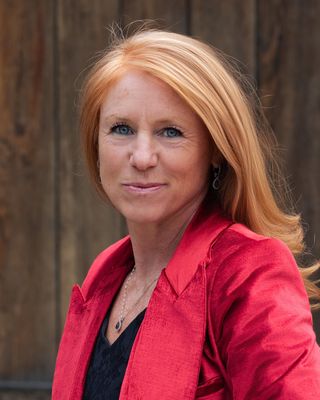
Hosted by Ezreena's Therapeutic Counselling
Counsellor, MTC, TIR, BARS
Group meets in Kelowna, BC V1Y
I will be hosting a 13 week radio show on Trauma! Go to my website ezreena.ca and click on the drop-down menu; choose VoiceAmerica TraumaTalk. Every Tuesday from 9am - 10am: April 10 - July 3, 2018.
Ages: 12 - 16 (Flexible if you think your child would fit this group) Dates: October 7, 14, 21, 28th @ 5:00pm Online. Cost is $120 for 4 sessions with the group. Learn how to address intrusive thoughts, compulsions or safety behaviors, and build confidence. Ideal for those with anxiety and/or OCD and want to connect with others. Group will be capped at 8 participants.

Ages: 12 - 16 (Flexible if you think your child would fit this group) Dates: October 7, 14, 21, 28th @ 5:00pm Online. Cost is $120 for 4 sessions with the group. Learn how to address intrusive thoughts, compulsions or safety behaviors, and build confidence. Ideal for those with anxiety and/or OCD and want to connect with others. Group will be capped at 8 participants.
Circle of Security Parenting *Currently postponed - please contact me for further info!* At times all parents feel lost or without a clue about what our child might need from us. Imagine what it might feel like if you were able to make sense of what your child was really asking from you! This 8 week, evidence-based training helps you to: Understand your child’s emotional world by learning to read the emotional needs • Support your child’s ability to successfully manage emotions • Enhance the development of your child's self esteem • Cost $120 • Dates TBD

Circle of Security Parenting *Currently postponed - please contact me for further info!* At times all parents feel lost or without a clue about what our child might need from us. Imagine what it might feel like if you were able to make sense of what your child was really asking from you! This 8 week, evidence-based training helps you to: Understand your child’s emotional world by learning to read the emotional needs • Support your child’s ability to successfully manage emotions • Enhance the development of your child's self esteem • Cost $120 • Dates TBD
As part of my work in this world, I apply Acceptance & Commitment Therapy and Training to families raising a child (or children) diagnosed with autism or other pervasive developmental disorders. As a mother myself, with two sons diagnosed with autism, I possess direct lived experience of navigating through chaos and difficult behaviours. I had to first learn how to manage my own beliefs, anxieties, depressions and grief as a parent faced with ubiquitous challenges. Contact me if you are interested in joining a group.

As part of my work in this world, I apply Acceptance & Commitment Therapy and Training to families raising a child (or children) diagnosed with autism or other pervasive developmental disorders. As a mother myself, with two sons diagnosed with autism, I possess direct lived experience of navigating through chaos and difficult behaviours. I had to first learn how to manage my own beliefs, anxieties, depressions and grief as a parent faced with ubiquitous challenges. Contact me if you are interested in joining a group.
See more therapy options for Penticton


FAQs - About Group Therapy and Support Groups
How can I find a support group in Penticton?
To find a support group in your area, start by entering your city, postal code, or the name of the group into the search bar at the top of the page. When searching, consider whether you prefer an in-person or virtual group. This can help you decide how broad your geographic search should be. If you are open to virtual groups, you might want to search by state instead of just your city, especially if there are limited options nearby.
Once you complete your search, you can use the filters to narrow the results by selecting specialties (such as grief, trauma, or eating disorders), therapeutic approaches, age groups, and other criteria to find a group that best fits your needs.
Once you complete your search, you can use the filters to narrow the results by selecting specialties (such as grief, trauma, or eating disorders), therapeutic approaches, age groups, and other criteria to find a group that best fits your needs.
How does group therapy work?
Group therapy is led by one or more trained therapists and provides a space where participants can process their experiences and learn from others facing similar challenges. Groups may focus on a specific issue—such as addiction, grief, physical illnesses, parenting, or caregiving—or they may center around a particular therapeutic approach, such as Cognitive Behavioural Therapy (CBT), social skill development, or Exposure Therapy. Some groups are also designed for specific populations, such as teens, veterans, or LGBTQ+ individuals.
It’s also important to distinguish group therapy from peer-led support groups, like Alcoholics Anonymous. While both can offer valuable support, therapy groups are typically led by licensed professionals and follow a more structured format. Therapy groups often meet for a fixed length of time with a consistent group of members, while many peer support groups meet for an indefinite period of time with members coming and going.
It’s also important to distinguish group therapy from peer-led support groups, like Alcoholics Anonymous. While both can offer valuable support, therapy groups are typically led by licensed professionals and follow a more structured format. Therapy groups often meet for a fixed length of time with a consistent group of members, while many peer support groups meet for an indefinite period of time with members coming and going.
What are the benefits of group therapy?
Group therapy offers several important benefits. It brings together people facing similar challenges—whether related to mental health, physical health, or life transitions—and creates a supportive environment where participants can exchange feedback, share experiences, and learn from one another. Hearing different perspectives can help individuals discover new coping strategies and practical tools they may not have encountered on their own. Sharing personal experiences, such as coping with a serious illness or navigating family struggles, can also reduce feelings of isolation and foster a sense of connection and understanding. In addition to emotional support, group members often gain useful, real-world advice from peers who have faced similar situations.
Group therapy is typically more affordable than individual therapy and, for certain conditions, can be equally effective. Many groups also include structured activities—such as guided journaling, cognitive-behavioural exercises, or role-playing—to help participants develop concrete skills they can apply in daily life.
Group therapy is typically more affordable than individual therapy and, for certain conditions, can be equally effective. Many groups also include structured activities—such as guided journaling, cognitive-behavioural exercises, or role-playing—to help participants develop concrete skills they can apply in daily life.
Is group therapy as effective as individual therapy?
It is difficult to make a blanket statement about the effectiveness of support groups, as they vary widely in focus and the conditions they address. However, support groups can be highly valuable in helping individuals gain emotional support and achieve meaningful treatment outcomes. For certain conditions, such as substance use, research has shown that group therapy can be particularly effective—sometimes just as effective as individual therapy—in supporting long-term recovery.
Many professionals attribute the effectiveness of group therapy to the unique benefits of the group setting, which fosters peer-to-peer learning and a sense of connection through shared experiences. Group settings also offer accountability and encouragement from both facilitators and fellow participants, which helps sustain motivation and supports continued progress. These factors together play a key role in promoting the overall effectiveness of group therapy.
Many professionals attribute the effectiveness of group therapy to the unique benefits of the group setting, which fosters peer-to-peer learning and a sense of connection through shared experiences. Group settings also offer accountability and encouragement from both facilitators and fellow participants, which helps sustain motivation and supports continued progress. These factors together play a key role in promoting the overall effectiveness of group therapy.
How much does group therapy cost?
Group therapy is typically less expensive than individual therapy, with sessions typically costing between $90 and $100 each. In comparison, individual therapy can cost anywhere from $100 to $200 or more per session, even with insurance. Some therapists or organisations offer low-cost or free group therapy options, particularly through community centers or non-profit organisations. In some cases, groups may require payment upfront for a set number of sessions, such as paying for six weekly sessions at the first meeting. However, many providers offer payment plans to help make participation more accessible if this upfront payment is required.
Does insurance cover group therapy?
If you have private insurance, your plan may cover some if not all of your group therapy sessions. You should contact your insurance provider to determine if they provide coverage for group therapy sessions and to determine what, if any, requirements they might have in order for your sessions to be covered, such as a referral from your GP or medical specialist.
How long does group therapy last?
The length of each group therapy session typically ranges from 45 minutes to two hours, depending on the therapy approach, the group’s goals, and how often the group meets. In some cases, group therapy is part of a larger treatment program, such as an Intensive Outpatient Program (IOP), where group sessions complement individual therapy and are scheduled as part of the program’s overall structure.
The duration of participation in a group also varies. Some groups are designed to be short-term, lasting anywhere from 6 to 24 weeks—for example, bereavement groups or skills-based groups like those using Dialectical Behavioural Therapy (DBT). Other groups may be longer-term, lasting a year or more, and some ongoing support groups meet indefinitely, allowing participants to stay as long as they find the group helpful.
The duration of participation in a group also varies. Some groups are designed to be short-term, lasting anywhere from 6 to 24 weeks—for example, bereavement groups or skills-based groups like those using Dialectical Behavioural Therapy (DBT). Other groups may be longer-term, lasting a year or more, and some ongoing support groups meet indefinitely, allowing participants to stay as long as they find the group helpful.
What are the limitations of support groups?
Support groups offer many benefits, but they also have certain limitations. Unlike therapy groups, many support groups do not provide formal therapeutic treatment and are not led by licensed mental health professionals. For individuals seeking clinical treatment for specific mental health diagnoses—such as depression, eating disorders, or substance use—individual therapy or group therapy led by a licensed professional may offer more personalised and specialised care.
The effectiveness of a support group also depends heavily on the group’s participants and the overall group dynamic. When members engage respectfully and offer constructive support, the group can foster valuable peer-to-peer learning. However, if certain participants dominate discussions, provide inaccurate advice, or create conflict, it can disrupt the group’s sense of safety and reduce its effectiveness. Confidentiality can also be harder to maintain in support groups, particularly in open groups where participants can join or leave at any time. With new members regularly entering the group, it can be more difficult to build and sustain a consistent sense of trust and privacy.
The effectiveness of a support group also depends heavily on the group’s participants and the overall group dynamic. When members engage respectfully and offer constructive support, the group can foster valuable peer-to-peer learning. However, if certain participants dominate discussions, provide inaccurate advice, or create conflict, it can disrupt the group’s sense of safety and reduce its effectiveness. Confidentiality can also be harder to maintain in support groups, particularly in open groups where participants can join or leave at any time. With new members regularly entering the group, it can be more difficult to build and sustain a consistent sense of trust and privacy.