Support Groups in Brunswick West, VIC
This is an online group that runs for 6 weeks. Beginning February 2026. If you have ever experienced the “I’m not good enough” story and felt lack, self-doubt, insecurities or low confidence & self-esteem this is the place for you! These creative sessions will guide you thought art activities that explore: ?? Your self-worth, identity, the power of narrative/thoughts. ? Understanding the inner-critic vs our emergent self. ? Cultivating self-compassion, trust in your decisions, embracing courage. ? Clarifying what you value and want and celebrating your strengths ? Finding peace & grounding-through being present. ? Designing a self-worth toolkit.

This is an online group that runs for 6 weeks. Beginning February 2026. If you have ever experienced the “I’m not good enough” story and felt lack, self-doubt, insecurities or low confidence & self-esteem this is the place for you! These creative sessions will guide you thought art activities that explore: ?? Your self-worth, identity, the power of narrative/thoughts. ? Understanding the inner-critic vs our emergent self. ? Cultivating self-compassion, trust in your decisions, embracing courage. ? Clarifying what you value and want and celebrating your strengths ? Finding peace & grounding-through being present. ? Designing a self-worth toolkit.
This group offers a safe, creative space to explore the emotional side of your health and wellbeing journey. Drop in any month. Through guided art-making and gentle reflection, we’ll explore themes such as: ??Building self-worth and confidence ?? Understanding emotional eating patterns ?? Discovering healthy self-soothing strategies ?? Reconnecting with values, meaning, and purpose. Who it's for? Anyone interested in exploring the emotional, mental, and personal aspects of wellbeing, especially those navigating weight loss, body image, or self-esteem challenges. Come to connect, create, and take away practical tools for emotional health and self-care.
This group offers a safe, creative space to explore the emotional side of your health and wellbeing journey. Drop in any month. Through guided art-making and gentle reflection, we’ll explore themes such as: ??Building self-worth and confidence ?? Understanding emotional eating patterns ?? Discovering healthy self-soothing strategies ?? Reconnecting with values, meaning, and purpose. Who it's for? Anyone interested in exploring the emotional, mental, and personal aspects of wellbeing, especially those navigating weight loss, body image, or self-esteem challenges. Come to connect, create, and take away practical tools for emotional health and self-care.
More Groups Nearby
10 week modules open to adolescents aged 12-17 and their care-giver/parent. Both the adolescent and care-giver need to be receiving individual therapy at Start Psychology. Modules include: Interpersonal Effectiveness; ? Distress Tolerance; Emotion Regulation; & Walking The Middle Path.
Hosted by Start Psychology
Psychologist, PsychD, PsyBA - Clin. Psych
Group meets in Sunbury, VIC 3429
10 week modules open to adolescents aged 12-17 and their care-giver/parent. Both the adolescent and care-giver need to be receiving individual therapy at Start Psychology. Modules include: Interpersonal Effectiveness; ? Distress Tolerance; Emotion Regulation; & Walking The Middle Path.
This 6-week program is for parents of adolescents aged 12+. This program aims to foster emotional intelligence in your and your teen. You will learn how to better communicate with and understand your teen, leading to a stronger healthier relationship. You will also learn how how manage your teen's big emotions and behaviours, as well as develop skills on how to help your teen manage conflict. Research shows teen's with greater emotional intelligence do better academically, socially, and emotionally. Would you like to begin improving your relationship with your teen? Program begins Monday 18th July. Join today!
Hosted by Talking Sleep Psychology
Psychologist, MPsych, MAPS
Group meets in Hawthorn East, VIC 3123
This 6-week program is for parents of adolescents aged 12+. This program aims to foster emotional intelligence in your and your teen. You will learn how to better communicate with and understand your teen, leading to a stronger healthier relationship. You will also learn how how manage your teen's big emotions and behaviours, as well as develop skills on how to help your teen manage conflict. Research shows teen's with greater emotional intelligence do better academically, socially, and emotionally. Would you like to begin improving your relationship with your teen? Program begins Monday 18th July. Join today!
This support group is providing a non-judgmental space for its participant to practice mindfulness training based on relaxation techniques. The group is limited to six participants only.

This support group is providing a non-judgmental space for its participant to practice mindfulness training based on relaxation techniques. The group is limited to six participants only.
All group supervision and individual supervision are facilitated online and held two or three times per month at 6.30 pm for a duration of 2 hours. Group discussion covers varied applicable topics and clinical cases. Six participants in each group. Groups are open to all allied health practitioners, such as counsellors, psychotherapists, NDIS recovery coaches, and more. Call 0447262130 for more information. Book online.
All group supervision and individual supervision are facilitated online and held two or three times per month at 6.30 pm for a duration of 2 hours. Group discussion covers varied applicable topics and clinical cases. Six participants in each group. Groups are open to all allied health practitioners, such as counsellors, psychotherapists, NDIS recovery coaches, and more. Call 0447262130 for more information. Book online.
Does the thought of public speaking fill you with dread? Do you fear :blushing, sweating, shaking or your mind going blank?Do you worry that other people can see you are anxious? Overcome your fear in a safe and supportive environment in a group limited to 10 participants who share your fear of public speaking. I use evidence based treatment And provide video and written feedback to participants.Comprehensive resources are provided in this 8 week Cbt based program. Medicare and private health fund rebates are available.

Does the thought of public speaking fill you with dread? Do you fear :blushing, sweating, shaking or your mind going blank?Do you worry that other people can see you are anxious? Overcome your fear in a safe and supportive environment in a group limited to 10 participants who share your fear of public speaking. I use evidence based treatment And provide video and written feedback to participants.Comprehensive resources are provided in this 8 week Cbt based program. Medicare and private health fund rebates are available.
I run a few non clinical groups in a zen environment to promote safety. Building self-awareness, self-acceptance and feeling heard without judgment. Discussions around the difficulties of ADHD, providing education and support for ADHD and building tools and strategies to manage symptoms of ADHD and common co-morbidities. Currently on offer is; A parent support and education group. A teen group. An adult female only group. Each group is small (6-8 participants) to ensure safety, tailor-made to suit each group (the arts, meditation, self reflection, books).
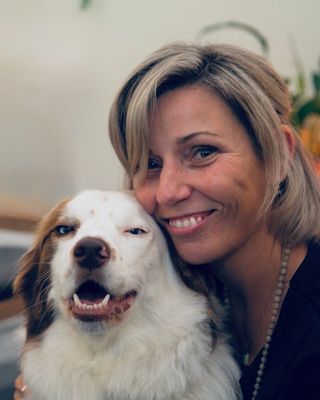
I run a few non clinical groups in a zen environment to promote safety. Building self-awareness, self-acceptance and feeling heard without judgment. Discussions around the difficulties of ADHD, providing education and support for ADHD and building tools and strategies to manage symptoms of ADHD and common co-morbidities. Currently on offer is; A parent support and education group. A teen group. An adult female only group. Each group is small (6-8 participants) to ensure safety, tailor-made to suit each group (the arts, meditation, self reflection, books).
We are all makers here and we believe we all have much to gain from making together. Join us for a lovely Sunday Makers Circle at the cosy embrace of Many Arts Studio, and let's make space for gentle creative flow for ourselves and one another. Makers Circles are free and open to everyone who enjoys the group intention and structure. Bookings are essential. Find out more, and book via: https://events.humanitix.com/makers
We are all makers here and we believe we all have much to gain from making together. Join us for a lovely Sunday Makers Circle at the cosy embrace of Many Arts Studio, and let's make space for gentle creative flow for ourselves and one another. Makers Circles are free and open to everyone who enjoys the group intention and structure. Bookings are essential. Find out more, and book via: https://events.humanitix.com/makers
A group program to teach you the tools to support you to better manage stress, anxiety and work with the challenges of life and relationships by becoming more self aware, calm and at ease through meditation practices as well as cognitive behavioral and somatic approaches which are taught through practical instruction and guidance as well as opportunities for discussion, connecting with others and reflection.

A group program to teach you the tools to support you to better manage stress, anxiety and work with the challenges of life and relationships by becoming more self aware, calm and at ease through meditation practices as well as cognitive behavioral and somatic approaches which are taught through practical instruction and guidance as well as opportunities for discussion, connecting with others and reflection.
The diagnosis of Complex Trauma/Complex PTSD has been in mainstream Psychology less than 10 years. Specific treatments are therefore new/underdeveloped. This program employs a model developed from the available research and literature and my 15 years of clinical experience working with adults with backgrounds of childhood trauma. I invite anyone who has undergone adverse childhood experiences, and felt unsupported through them, to join others experiencing similar challenges in understanding the most fundamental cPTSD presentations, learning about and practicing strategies which promote healing and recovery. Optional individual sessions included for extra support. Introduction bookings/intake happening now for March 2027.

Hosted by Esther Sammut Clinical Psychologist
Psychologist, PhD, PsyBA - Clin. Psych
Group meets in Fitzroy North, VIC 3068
The diagnosis of Complex Trauma/Complex PTSD has been in mainstream Psychology less than 10 years. Specific treatments are therefore new/underdeveloped. This program employs a model developed from the available research and literature and my 15 years of clinical experience working with adults with backgrounds of childhood trauma. I invite anyone who has undergone adverse childhood experiences, and felt unsupported through them, to join others experiencing similar challenges in understanding the most fundamental cPTSD presentations, learning about and practicing strategies which promote healing and recovery. Optional individual sessions included for extra support. Introduction bookings/intake happening now for March 2027.
This program was created especially for carers and guardians, providing a safe, welcoming space to relax, connect, and share experiences with others who truly understand the challenges of caring for a loved one. The sessions will be led by Peter Uhd, an experienced group leader, mindfulness coach and provisional psychologist. Peter has a genuine passion for supporting those who dedicate so much of themselves to others. The group will explore mindfulness techniques, stress management tools, and practical strategies to maintain balance and wellbeing helping carers to look after themselves without compromising their own mental health.
This program was created especially for carers and guardians, providing a safe, welcoming space to relax, connect, and share experiences with others who truly understand the challenges of caring for a loved one. The sessions will be led by Peter Uhd, an experienced group leader, mindfulness coach and provisional psychologist. Peter has a genuine passion for supporting those who dedicate so much of themselves to others. The group will explore mindfulness techniques, stress management tools, and practical strategies to maintain balance and wellbeing helping carers to look after themselves without compromising their own mental health.
Widely regarded as a core foundational insight-based parenting program, the Circle of Security (COS) training helps parents deepen emotional awareness and strengthen their ability to respond to their children’s needs. Designed to nurture parents from within, it enables us to establish safe, strong and secure relationships in which children develop lasting emotional wellbeing, healthy relationships, and greater success later on. While targeting children between 0-6, the core COS principles extend well beyond early childhood, offering timeless guidance for all meaningful relationships in our lives. These concepts are often repeated and adapted in parenting programs targeting older children.

Widely regarded as a core foundational insight-based parenting program, the Circle of Security (COS) training helps parents deepen emotional awareness and strengthen their ability to respond to their children’s needs. Designed to nurture parents from within, it enables us to establish safe, strong and secure relationships in which children develop lasting emotional wellbeing, healthy relationships, and greater success later on. While targeting children between 0-6, the core COS principles extend well beyond early childhood, offering timeless guidance for all meaningful relationships in our lives. These concepts are often repeated and adapted in parenting programs targeting older children.
Shagufta facilitates the group the mothers who are struggling juggling their life aspects, eg. home, relationships, parenting, mental health. With minimum three mothers I work in a group with similar issues, where in a nurturing and trusting environment mothers unfold their issues, to share and find solutions in effective ways.

Shagufta facilitates the group the mothers who are struggling juggling their life aspects, eg. home, relationships, parenting, mental health. With minimum three mothers I work in a group with similar issues, where in a nurturing and trusting environment mothers unfold their issues, to share and find solutions in effective ways.
Women’s Positive Life Group is a supportive space where women come together to build confidence, improve emotional wellbeing, and learn practical tools for everyday life. In a warm and welcoming environment, participants explore topics like stress management, self-talk, and resilience through guided discussions and simple activities. This group is ideal for women feeling overwhelmed, isolated, or seeking personal growth. You can share at your own pace while connecting with others in a safe, non-judgmental setting. Each session offers take-home strategies to support positive change, helping you feel more balanced, empowered, and supported in your daily life.
Women’s Positive Life Group is a supportive space where women come together to build confidence, improve emotional wellbeing, and learn practical tools for everyday life. In a warm and welcoming environment, participants explore topics like stress management, self-talk, and resilience through guided discussions and simple activities. This group is ideal for women feeling overwhelmed, isolated, or seeking personal growth. You can share at your own pace while connecting with others in a safe, non-judgmental setting. Each session offers take-home strategies to support positive change, helping you feel more balanced, empowered, and supported in your daily life.
The Mindfulness Based Stress Reduction program is an evidence-based experiential educational program, developed by Jon Kabat Zinn from the University of Massachusetts Medical Centre. The 8- week program is an suitable for people who are presently experiencing stress and anxiety in their lives or for those who are looking for self-care skills. In this program you will be encouraged to have a regular practice of mindfulness meditation and will be guided and supported through the period of the program. Maximum group size is 20 participants.

The Mindfulness Based Stress Reduction program is an evidence-based experiential educational program, developed by Jon Kabat Zinn from the University of Massachusetts Medical Centre. The 8- week program is an suitable for people who are presently experiencing stress and anxiety in their lives or for those who are looking for self-care skills. In this program you will be encouraged to have a regular practice of mindfulness meditation and will be guided and supported through the period of the program. Maximum group size is 20 participants.
Ask Donato & Mary for anything that you would like help with. (Depression, Anxiety, Parenting, Family Conflict, Divorce, and Re-Marriage, Relationship Building, and many more) Please leave your topic of interest and we will do our best to help you.

Ask Donato & Mary for anything that you would like help with. (Depression, Anxiety, Parenting, Family Conflict, Divorce, and Re-Marriage, Relationship Building, and many more) Please leave your topic of interest and we will do our best to help you.
At MVS Psychology Group, we support our patients to discover sustainable ways to respond to life’s adversities and understand how their past experiences can interface with present issues.

At MVS Psychology Group, we support our patients to discover sustainable ways to respond to life’s adversities and understand how their past experiences can interface with present issues.
At Back On Track Psychology, we provide individual, family, and couples therapy for children, adolescents, and adults. Our compassionate, evidence-based approach supports mental health, resilience, and personal growth. Our therapy services are designed to help you navigate challenges, build resilience, and create meaningful change in your life. We value diversity and offer services in the language you are most comfortable with. We also offer comprehensive psychological assessments, including cognitive, educational, and neuropsychological assessments for children and adults. Our assessments are evidence-based and tailored to each individual, ensuring accurate insights and practical recommendations.

At Back On Track Psychology, we provide individual, family, and couples therapy for children, adolescents, and adults. Our compassionate, evidence-based approach supports mental health, resilience, and personal growth. Our therapy services are designed to help you navigate challenges, build resilience, and create meaningful change in your life. We value diversity and offer services in the language you are most comfortable with. We also offer comprehensive psychological assessments, including cognitive, educational, and neuropsychological assessments for children and adults. Our assessments are evidence-based and tailored to each individual, ensuring accurate insights and practical recommendations.
Mindfulness Based Stress Reduction (MBSR) is an evidence-based, user-friendly program that brings the principles of mindfulness meditation into everyday life by teaching specific skills and practices to help break cycles of anxiety, stress, unhappiness and exhaustion.

Mindfulness Based Stress Reduction (MBSR) is an evidence-based, user-friendly program that brings the principles of mindfulness meditation into everyday life by teaching specific skills and practices to help break cycles of anxiety, stress, unhappiness and exhaustion.
See more therapy options for Brunswick West

FAQs - About Group Therapy and Support Groups
How can I find a support group in Brunswick West?
To find a support group in your area, start by entering your suburb, postcode, or the name of the group into the search bar at the top of the page. When searching, consider whether you prefer an in-person or virtual group. This can help you decide how broad your geographic search should be. If you are open to virtual groups, you might want to search by state instead of just your city, especially if there are limited options nearby.
Once you complete your search, you can use the filters to narrow the results by selecting specialties (such as grief, trauma, or eating disorders), therapeutic approaches, age groups, and other criteria to find a group that best fits your needs.
Once you complete your search, you can use the filters to narrow the results by selecting specialties (such as grief, trauma, or eating disorders), therapeutic approaches, age groups, and other criteria to find a group that best fits your needs.
How does group therapy work?
Group therapy is led by one or more trained therapists and provides a space where participants can process their experiences and learn from others facing similar challenges. Groups may focus on a specific issue—such as addiction, grief, physical illnesses, parenting, or caregiving—or they may center around a particular therapeutic approach, such as Cognitive Behavioural Therapy (CBT), social skill development, or Exposure Therapy. Some groups are also designed for specific populations, such as teens, veterans, or LGBTQ+ individuals.
It’s also important to distinguish group therapy from peer-led support groups, like Alcoholics Anonymous. While both can offer valuable support, therapy groups are typically led by licensed professionals and follow a more structured format. Therapy groups often meet for a fixed length of time with a consistent group of members, while many peer support groups meet for an indefinite period of time with members coming and going.
It’s also important to distinguish group therapy from peer-led support groups, like Alcoholics Anonymous. While both can offer valuable support, therapy groups are typically led by licensed professionals and follow a more structured format. Therapy groups often meet for a fixed length of time with a consistent group of members, while many peer support groups meet for an indefinite period of time with members coming and going.
What are the benefits of group therapy?
Group therapy offers several important benefits. It brings together people facing similar challenges—whether related to mental health, physical health, or life transitions—and creates a supportive environment where participants can exchange feedback, share experiences, and learn from one another. Hearing different perspectives can help individuals discover new coping strategies and practical tools they may not have encountered on their own. Sharing personal experiences, such as coping with a serious illness or navigating family struggles, can also reduce feelings of isolation and foster a sense of connection and understanding. In addition to emotional support, group members often gain useful, real-world advice from peers who have faced similar situations.
Group therapy is typically more affordable than individual therapy and, for certain conditions, can be equally effective. Many groups also include structured activities—such as guided journaling, cognitive-behavioural exercises, or role-playing—to help participants develop concrete skills they can apply in daily life.
Group therapy is typically more affordable than individual therapy and, for certain conditions, can be equally effective. Many groups also include structured activities—such as guided journaling, cognitive-behavioural exercises, or role-playing—to help participants develop concrete skills they can apply in daily life.
Is group therapy as effective as individual therapy?
It is difficult to make a blanket statement about the effectiveness of support groups, as they vary widely in focus and the conditions they address. However, support groups can be highly valuable in helping individuals gain emotional support and achieve meaningful treatment outcomes. For certain conditions, such as substance use, research has shown that group therapy can be particularly effective—sometimes just as effective as individual therapy—in supporting long-term recovery.
Many professionals attribute the effectiveness of group therapy to the unique benefits of the group setting, which fosters peer-to-peer learning and a sense of connection through shared experiences. Group settings also offer accountability and encouragement from both facilitators and fellow participants, which helps sustain motivation and supports continued progress. These factors together play a key role in promoting the overall effectiveness of group therapy.
Many professionals attribute the effectiveness of group therapy to the unique benefits of the group setting, which fosters peer-to-peer learning and a sense of connection through shared experiences. Group settings also offer accountability and encouragement from both facilitators and fellow participants, which helps sustain motivation and supports continued progress. These factors together play a key role in promoting the overall effectiveness of group therapy.
How much does group therapy cost?
Group therapy is typically less expensive than individual therapy, with sessions typically costing between $80 and $110 each. In comparison, individual therapy can cost anywhere from $100 to $250 or more per session, even with insurance. Some therapists or organizations offer low-cost or free group therapy options, particularly through community centers or non-profit organizations. In some cases, groups may require payment upfront for a set number of sessions, such as paying for six weekly sessions at the first meeting. However, many providers offer payment plans to help make participation more accessible if this upfront payment is required.
Does insurance cover group therapy?
If you have private insurance, your plan may cover some if not all of your group therapy sessions. You should contact your insurance provider to determine if they provide coverage for group therapy sessions and to determine what, if any, requirements they might have in order for your sessions to be covered, such as a referral from your GP or medical specialist.
How long does group therapy last?
The length of each group therapy session typically ranges from 45 minutes to two hours, depending on the therapy approach, the group’s goals, and how often the group meets. In some cases, group therapy is part of a larger treatment program, such as an Intensive Outpatient Program (IOP), where group sessions complement individual therapy and are scheduled as part of the program’s overall structure.
The duration of participation in a group also varies. Some groups are designed to be short-term, lasting anywhere from 6 to 24 weeks—for example, bereavement groups or skills-based groups like those using Dialectical Behavioural Therapy (DBT). Other groups may be longer-term, lasting a year or more, and some ongoing support groups meet indefinitely, allowing participants to stay as long as they find the group helpful.
The duration of participation in a group also varies. Some groups are designed to be short-term, lasting anywhere from 6 to 24 weeks—for example, bereavement groups or skills-based groups like those using Dialectical Behavioural Therapy (DBT). Other groups may be longer-term, lasting a year or more, and some ongoing support groups meet indefinitely, allowing participants to stay as long as they find the group helpful.
What are the limitations of support groups?
Support groups offer many benefits, but they also have certain limitations. Unlike therapy groups, many support groups do not provide formal therapeutic treatment and are not led by licensed mental health professionals. For individuals seeking clinical treatment for specific mental health diagnoses—such as depression, eating disorders, or substance use—individual therapy or group therapy led by a licensed professional may offer more personalised and specialised care.
The effectiveness of a support group also depends heavily on the group’s participants and the overall group dynamic. When members engage respectfully and offer constructive support, the group can foster valuable peer-to-peer learning. However, if certain participants dominate discussions, provide inaccurate advice, or create conflict, it can disrupt the group’s sense of safety and reduce its effectiveness. Confidentiality can also be harder to maintain in support groups, particularly in open groups where participants can join or leave at any time. With new members regularly entering the group, it can be more difficult to build and sustain a consistent sense of trust and privacy.
The effectiveness of a support group also depends heavily on the group’s participants and the overall group dynamic. When members engage respectfully and offer constructive support, the group can foster valuable peer-to-peer learning. However, if certain participants dominate discussions, provide inaccurate advice, or create conflict, it can disrupt the group’s sense of safety and reduce its effectiveness. Confidentiality can also be harder to maintain in support groups, particularly in open groups where participants can join or leave at any time. With new members regularly entering the group, it can be more difficult to build and sustain a consistent sense of trust and privacy.