Addiction Psychologists and Therapists in Carlton, VIC
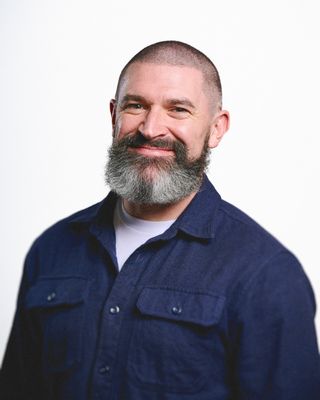
I work with individuals and couples who feel stuck in patterns that are difficult to understand or change—whether around identity, relationships, anxiety, depression, trauma, loneliness or major life transitions. As a psychodynamic psychotherapist, I’m interested in learning about you: what has shaped you, how this impacts your relationships and inner life, and what you want to change. This can include feeling disconnected from yourself or others, or repeatedly finding yourself in situations you don’t understand. Together, we develop a deeper understanding of these patterns and work towards a life that feels more your own.
I work with individuals and couples who feel stuck in patterns that are difficult to understand or change—whether around identity, relationships, anxiety, depression, trauma, loneliness or major life transitions. As a psychodynamic psychotherapist, I’m interested in learning about you: what has shaped you, how this impacts your relationships and inner life, and what you want to change. This can include feeling disconnected from yourself or others, or repeatedly finding yourself in situations you don’t understand. Together, we develop a deeper understanding of these patterns and work towards a life that feels more your own.

She has a particular interest in supporting individuals experiencing mood disorders such as anxiety and depression, stress management, trauma, and alcohol and drug use with a focus on both maintenance and relapse prevention.
Janhavi warm, non-judgemental approach provides a safe and welcoming space for people to explore self-understanding and feel supported to manage their mental health. Using a collaborative and empowering style, Janhavi works alongside her clients with the belief that they are the experts of their own lives.
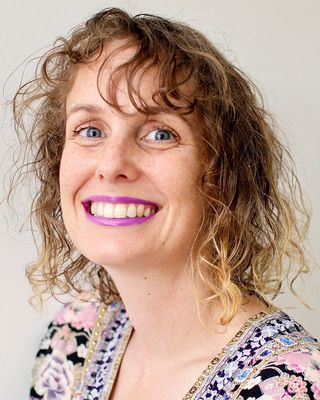
Are you struggling to control behaviours like gambling, pornography, substances, gaming or constant internet use, despite wanting to stop?
I specialise in treating behavioural and substance addictions using evidence-based approaches including CBT and relapse prevention. Together, we identify patterns, understand underlying drivers, and develop practical tools to manage urges and regain control. I offer a structured but flexible approach, tailored to your goals, whether that is reducing harm or
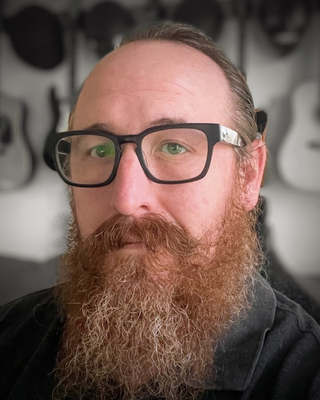
I know high-pressure industries, and like anyone who's lived a real life, I've had my own share of hard years, including my own lived experience of addiction and mental health recovery.
On paper, I hold a Master of Professional Psychology and I'm completing a PhD on trauma, violence, and intimate partner violence in men. My clinical career started in addiction, moved into forensic work, and has focused increasingly on trauma - including PTSD assessment and diagnosis training and Narrative Exposure Therapy.
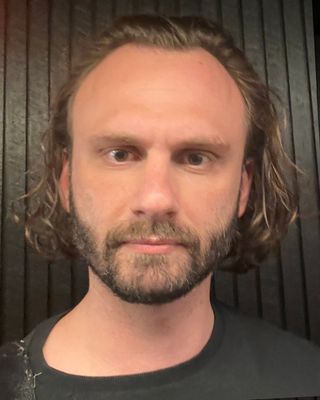
Formally I practice as a psychoanalyst both in private practice and the public mental health and addiction sectors.
Psychoanalysis in Melbourne. If a psychoanalyst is in a position to listen, then the patient - the one said to be 'in analysis', is certainly in a position to speak. Nevertheless, there is very little that is certain about being in a position to speak, especially speaking under the directive of the fundamental rule: Say whatever comes to mind, censor nothing, no matter how insignificant, Idiotic, perverse, or crazy you think it is. Proceeding along these lines significant light can be shed on what ails us.

People come to see me for many different reasons, such as experiencing depression or anxiety; having relationship difficulties (with partners, family, friends, or colleagues); living with the impacts of trauma; going through major life transitions or loss; managing addictions; exploring aspects of sexuality; dealing with a harsh inner critic; or feeling "stuck”/lost and seeking direction, meaning, or purpose.
Therapy can help you better understand yourself and your patterns - and get back in the driver's seat of your life, where you can make conscious choices instead of running on "autopilot". Finding new ways forward can transform your relationship with yourself and with others, and your outlook on life. I'm here to guide that process.

Edward Pascoe
Psychologist, MPsych, PsyBA - Clin. Psych
1 Endorsed
Serves Area
Waitlist for new clients
Edward is a clinical psychologist and Board-approved supervisor based in Melbourne, working primarily in the treatment of Depression, Anxiety, Stress, Addiction, LGBTQ+ issues, Burnout, and Relationship Difficulties.
Areas of interest include: Depression and other mood disorders, Anxiety (panic attacks, generalised anxiety disorder), Stress and Burnout, Relationship and Martial Difficulties, Sexual Health Difficulties (performance and erectile concerns), LGBTQ+ issues, Anger Management and Addiction (pornography, sex work, alcohol, social media, video gaming, agambling).

Our ideal clients are children, adolescents, adults and families seeking thoughtful, compassionate psychological support. Many come to DKM feeling stuck, overwhelmed, disconnected, or wanting clarity around mental health, neurodivergence, learning, behaviour or emotional wellbeing. Our team helps by taking time to understand the whole person, offering neuroaffirming, trauma-informed therapy and assessment, and providing practical recommendations that support meaningful next steps at home, school, work and in relationships.
Our ideal clients are children, adolescents, adults and families seeking thoughtful, compassionate psychological support. Many come to DKM feeling stuck, overwhelmed, disconnected, or wanting clarity around mental health, neurodivergence, learning, behaviour or emotional wellbeing. Our team helps by taking time to understand the whole person, offering neuroaffirming, trauma-informed therapy and assessment, and providing practical recommendations that support meaningful next steps at home, school, work and in relationships.

I will help you to navigate and grow through challenging times, (re) discover your spark and support you to live your most authentic life. I offer a warm and safe space where you can gain new insight, process emotions, and achieve your therapeutic goals. I provide both psychotherapy and supervision and take a collaborative and supportive approach in both roles.
I will help you to navigate and grow through challenging times, (re) discover your spark and support you to live your most authentic life. I offer a warm and safe space where you can gain new insight, process emotions, and achieve your therapeutic goals. I provide both psychotherapy and supervision and take a collaborative and supportive approach in both roles.
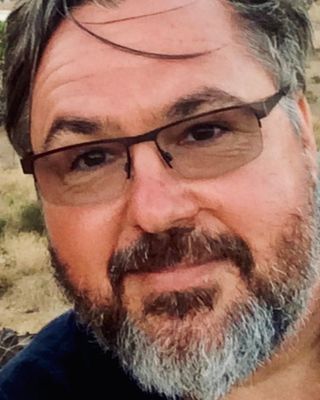
So many concerns come from overthinking & believing what we think too often. So many concerns come from overthinking & believing what we think too often. Circumstances can be challenging/overwhelming. We can become depressed/anxious, which can affect relationships; especially after recent/past traumatic experiences, or distressing/unsupportive family relationships, which can negatively affect our ability to cope, & our view of ourselves & our place in the world. Mindfulness-based cognitive behaviour therapy (ACT/CBT/Schema Therapy/MET) can effectively address unhelpful patterns of thinking & behaviour.
So many concerns come from overthinking & believing what we think too often. So many concerns come from overthinking & believing what we think too often. Circumstances can be challenging/overwhelming. We can become depressed/anxious, which can affect relationships; especially after recent/past traumatic experiences, or distressing/unsupportive family relationships, which can negatively affect our ability to cope, & our view of ourselves & our place in the world. Mindfulness-based cognitive behaviour therapy (ACT/CBT/Schema Therapy/MET) can effectively address unhelpful patterns of thinking & behaviour.
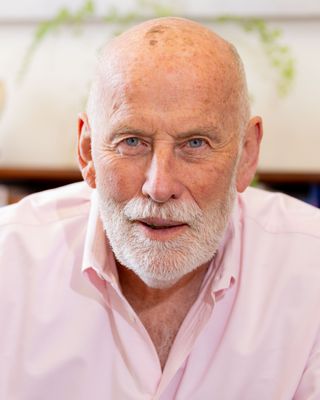
Being overwhelmed, uncertain or in pain, is your unconscious saying it's time for a change.
Frequently, though, working out what, or how to do that, can also be overwhelming, and might only be possible with an ally from outside your normal environment .....So ...
What I offer is the result of many years of experiences, often unwelcome at the time, which now turn out to be really worthwhile working with people in distress, or people simply seeking change, or wanting a new (outlook on) life.
My 'speciality' would be; people who are new to therapy, and those not so new, looking for something different.
We offer individual therapy for a number of clinical conditions including: personality disorders, trauma, mood disorders, eating disorders & body image, substance use, anxiety & OCD , anger and related behaviours, couples & families, emotional dysregulation, and attachment Styles & relationship difficulties.
Australia’s leading psychology provider for schema therapy treatment, training, and research. At STIA, we have a multidisciplinary team consisting of individuals from various disciplines who collaborate to achieve a common goal: providing quality clinical care to our patients. Our team includes psychiatrists, social workers, counsellors, and psychologists.
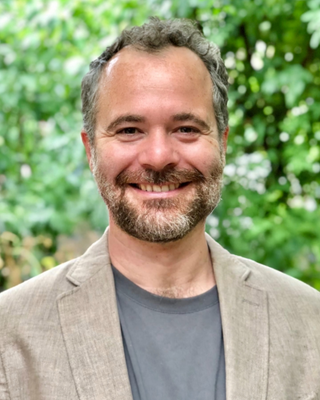
I am a psychoanalyst working with adults and children. I offer support in times of crisis and long-term treatment to address sources of inner conflict, anxiety and distress. My work is grounded in the ethics, theory and practice established by Sigmund Freud and elucidated by Jacques Lacan. It recognises and seeks to articulate one’s singular subjectivity, beneath the identities and expectations we unknowingly adhere to.
I am a psychoanalyst working with adults and children. I offer support in times of crisis and long-term treatment to address sources of inner conflict, anxiety and distress. My work is grounded in the ethics, theory and practice established by Sigmund Freud and elucidated by Jacques Lacan. It recognises and seeks to articulate one’s singular subjectivity, beneath the identities and expectations we unknowingly adhere to.
I am a psychologist with experience working with adults and adolescents in clinical mental health, depression, anxiety, trauma and addiction.
I offer personal sessions locally and telehealth and phone sessions locally and remotely. My fee is negotiable for those experiencing significant hardship. I can offer Medicare and private health rebates.

We don't just want to deal with our issues, our grief, our trauma, our troubled relationships, our self-criticism or self-sabotage. We want to live a life of meaning and authenticity, to experience joy and happiness and contentment. Therapy and coaching is about living your life authentically: becoming their person you want to become. Living the life you want to live. Reaching you goals. Realising your dreams.
We don't just want to deal with our issues, our grief, our trauma, our troubled relationships, our self-criticism or self-sabotage. We want to live a life of meaning and authenticity, to experience joy and happiness and contentment. Therapy and coaching is about living your life authentically: becoming their person you want to become. Living the life you want to live. Reaching you goals. Realising your dreams.

In my practice, I provide professional, empathetic and validating psychological support and treatment to individuals with Emotion dysregulation; Major Depression; Bi-Polar Affective Disorders; Adjustment Disorder; Anxiety disorders; Social Anxiety; Eating Disorders; Post Traumatic Stress Disorder; Personality Disorders such as Borderline Personality Disorder (BPD); Complex trauma presentations such as self-harm, identity disturbance, impulsivity, and relationship instability; Drug & alcohol and other Addictive Behaviours.
I predominantly use evidence-based therapies such as Dialectical Behaviour Therapy (DBT),Cognitive Behavioural Therapy, Schema Therapy, EMDR and Acceptance Commitment Therapy. In addition, I provide Psychology supervision as a primary or secondary supervisor, higher degree program and work in addition to higher degree.
Dr Simon Vincenzi has been practicing psychology since 2010. He has a wide range of experience working with adults and adolescents with anxiety disorders, depression, OCD, sleep problems, bipolar affective disorder, and anger management.
Dr Simon Vincenzi has been practicing psychology since 2010. He has a wide range of experience working with adults and adolescents with anxiety disorders, depression, OCD, sleep problems, bipolar affective disorder, and anger management.
You may want to move away from difficult emotional states like depression, anxiety, anger and loneliness or address repetitive and destructive behaviours such as substance abuse or sexual compulsion that are holding you back.
Psychoanalysis holds to a powerful view of individual subjectivity and responsibility. It acknowledges the need to understand our unconscious thoughts and drives to come closer to what we desire for our lives and relationships. It's a long-term treatment through speech; we listen carefully to the actuality of what is said and we follow its logic to the cure.

I work with adults and young people who may be navigating trauma, anxiety, depression, grief and loss, family violence, relationship difficulties or significant life changes. Many of the people I work with feel overwhelmed, stuck or simply unsure where to begin. I also work with clients through NDIS, WorkSafe and Victim Support pathways or Private clients. My aim is to provide a safe, genuine and non-judgmental space where we can make sense of what is happening and work towards meaningful, practical change.
I work with adults and young people who may be navigating trauma, anxiety, depression, grief and loss, family violence, relationship difficulties or significant life changes. Many of the people I work with feel overwhelmed, stuck or simply unsure where to begin. I also work with clients through NDIS, WorkSafe and Victim Support pathways or Private clients. My aim is to provide a safe, genuine and non-judgmental space where we can make sense of what is happening and work towards meaningful, practical change.

I am an emotion-based therapist, passionate in helping individuals and couples navigate the complexities of life's challenges. I bring over a decade of experience working with a diverse range of clients across various ages and backgrounds. I am trained and skilled in integrating various evidence-based approaches, including Intensive Short-Term Dynamic Psychotherapy (ISTDP) and Emotionally Focused Therapy (EFT), to tailor treatment to your unique needs. Whether you're struggling with anxiety, depression, relationship issues, or navigating existential concerns, I can walk alongside you on your journey towards healing and growth.
I am an emotion-based therapist, passionate in helping individuals and couples navigate the complexities of life's challenges. I bring over a decade of experience working with a diverse range of clients across various ages and backgrounds. I am trained and skilled in integrating various evidence-based approaches, including Intensive Short-Term Dynamic Psychotherapy (ISTDP) and Emotionally Focused Therapy (EFT), to tailor treatment to your unique needs. Whether you're struggling with anxiety, depression, relationship issues, or navigating existential concerns, I can walk alongside you on your journey towards healing and growth.
Nearby Addiction Therapists Searches for Carlton
- Abbotsford
- Carlton North
- Clifton Hill
- Collingwood
- Docklands
- East Melbourne
- Fitzroy
- Fitzroy North
- North Melbourne
- Parkville
- Southbank
- West Melbourne
Addiction Therapists
What is the best therapy for addiction?
Addiction treatment will be tailored to the individual. People seeking help for addiction—whether with a psychotherapist, in an outpatient clinic, or in a residential program—should expect to engage in multiple types of treatments, sometimes including medication. For anyone recovering from addiction, avoiding situations in which one has typically used a substance is essential, as is the support of close connections. Since substance use disorders tend to co-occur with underlying mental health conditions such as anxiety or depression, those must also be addressed as part of any recovery plan.
How long does therapy for addiction take?
There is no set timeline for recovery from addiction. Patients and their families should expect the work to last several months, if not longer. Residential treatment programs may be based on a stay of 30, 60, or 90 days, with continuing work after release, but only about 1 percent of people are treated in such facilities. Ceasing use is just the first step; therapy to help maintain abstinence and effect behavior change must follow. The process of recovery, neuroscience has shown, involves brain cells recovering the capacity to respond to natural sources of reward and restore control over the impulse to use. Another definition of recovery is restoring voluntary control over one’s substance use and retaking all of one’s previous responsibilities.
How effective is drug addiction treatment?
Substance use disorders are treatable and remission is achievable for many who seek recovery; by some estimates, more than three-quarters of people who become addicted to alcohol or drugs recover. But that success rarely occurs quickly or on a set timeline; relapse is not only common, but many therapists and clinicians view it as a normal part of the process—not always a sign that a person has returned to addiction, but a signal that their treatment should be adjusted to help them regain control. Overall, research suggests, five years after the end of substance use, one’s risk of relapse is no greater than that of others who had not faced addiction. Other experts believe that complete abstinence is not the only measure of recovery, and that, through effective treatment, many people can learn to control their use.
How can you get addiction treatment for someone?
The most important factor in recovery from addiction is widely understood to be an individual’s commitment to change. For that reason,“interventions” in which friends and family gather to urge or force someone to begin immediate treatment often backfire; even when such efforts do lead someone to begin treatment, they may be less likely to stay than those who are self-driven. Still, family members can play an important role in supporting an individual who seeks help and can take part in family therapy as one element of a loved one’s treatment.